The Modern Gentleman’s Guide to the 2024 Wedding Season: Essential Rules for Style, Etiquette, and Social Grace

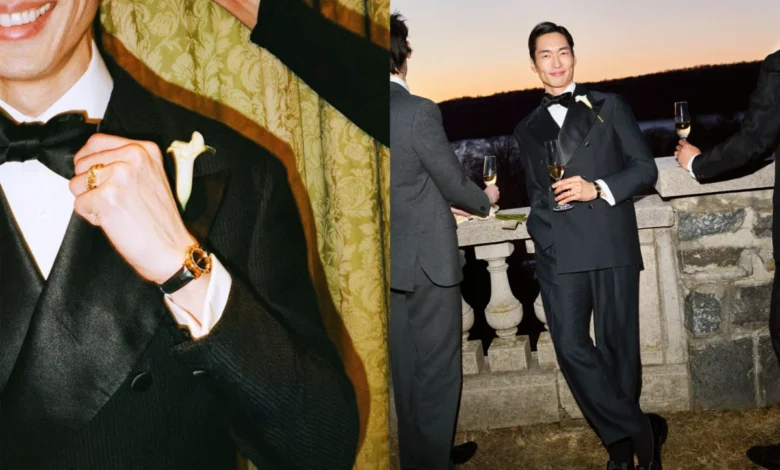
Weddings represent a unique intersection of high-stakes logistics, significant financial investment, and profound emotional weight, serving as both joyous celebrations and complex social minefields. As the 2024 wedding season approaches its peak, the editorial board at GQ has codified a comprehensive set of more than 50 regulations designed to guide men through the intricacies of modern matrimony. From the granular details of sartorial choice—such as the definitive rejection of rental tuxedos—to the nuanced social protocols of the wedding weekend, these rules aim to elevate the standard of the "modern gentleman." This compendium arrives at a time when the wedding industry is undergoing a significant shift, moving away from rigid, outdated traditions toward more intentional, style-conscious, and guest-centric celebrations.

The Economic and Social Context of Modern Matrimony
The release of these guidelines coincides with a period of stabilization in the global wedding market. Following the post-pandemic "wedding boom" of 2022 and 2023, the industry has seen a return to deliberate planning and a heightened focus on the "guest experience." According to industry data from The Knot and Zola, the average cost of a wedding in the United States has climbed to approximately $35,000, with destination weddings seeing a 15% increase in popularity. Consequently, the expectations placed upon both hosts and guests have escalated. For the groom, the wedding is no longer a day where he simply "shows up"; it is an event requiring equal labor in planning and a sophisticated approach to personal branding. For the guest, the investment in travel and attire necessitates a mastery of etiquette to ensure the event’s success.
Strategic Planning: The Groom’s Evolving Role
The first phase of the GQ compendium addresses the foundational elements of the wedding: the planning and the guest list. A primary directive for the modern groom is the adoption of equal labor. The era of the "disengaged groom" is effectively over. Experts suggest that grooms should schedule dedicated weekly sessions to manage spreadsheets and logistics alongside their partners to prevent burnout.

Furthermore, the publication emphasizes the professionalization of wedding management. The recommendation to "overspend on the wedding planner" is rooted in the reality of modern event complexity. A full-service planner acts as a buffer against the stressors of vendor management, allowing the couple to focus on creative elements such as music and invitation design.
Guest List and Demographic Management
The rules regarding guest lists reflect a shift toward inclusivity and common sense:

- The Plus-One Policy: Hosts are encouraged to provide plus-ones for single guests, particularly those who may not belong to the core friend group. This ensures that every attendee has a social anchor.
- The Child-Free Debate: The guidelines offer a pragmatic solution to the "kids at weddings" conundrum. If children are not invited, a simple offer of assistance in finding local childcare on the wedding website is considered the gold standard of etiquette. Conversely, guests are reminded that if an invitation does not explicitly name their children, they are not invited—and requesting an exception is a breach of protocol.
- The Groomsmen Cap: In a move to simplify logistics, GQ suggests capping the number of groomsmen at five. This reduces the "census-like" feel of large wedding parties and streamlines everything from photography to transportation.
The Sartorial Standard: Building a Permanent Wedding Wardrobe
Perhaps the most significant portion of the new ruleset focuses on male attire. The central thesis is the transition from temporary, rented garments to a permanent, high-quality wardrobe. The editorial stance is clear: "Don’t rent a tux. Buy one."
The Three-Pillar Wardrobe
For the frequent wedding guest, three essential ensembles are recommended to navigate any dress code:

- The Black Tuxedo: A staple for formal evening events.
- The Breezy Linen Suit: Ideal for summer or destination ceremonies.
- The Classic Wool Two-Piece: A versatile option for semi-formal or "cocktail attire" requests.
Footwear and Accessories
The guidelines take a hard line against "caramel-colored" dress shoes, often viewed by style critics as a dated and low-quality choice that clutches at a mid-tier aesthetic. Instead, the focus is on polished, high-grade leather in black or deep chocolate. Accessories, too, have seen a modernization. The traditional, plain gold wedding band is being challenged by "expressive" jewelry, including off-kilter shapes and gem settings. However, for those sticking to tradition, an interior engraving adds necessary personal depth.
The "wedding watch" remains a focal point of the ensemble. The rule dictates a slim, discreet timepiece that matches the metal of the wedding band. In the realm of haute horlogerie, this serves as a justification for investment pieces from houses like Patek Philippe or Vacheron Constantin, provided they do not distract from the overall silhouette.

Chronology of the Wedding Weekend: A Tactical Approach
A successful wedding experience is defined by its timeline. The GQ rules establish a clear chronology for behavior and participation.
The First Night and the Bachelor Party
The "marathon, not a sprint" philosophy governs the first night of a multi-day weekend. Guests are cautioned against excessive celebration on the opening night to avoid being the subject of gossip—or suffering from a debilitating hangover—during the main ceremony.

In a notable shift in social norms, the publication suggests that the traditional bachelor party should be "phased out" after the age of 34, except in the case of second weddings. This reflects a broader cultural move toward more sophisticated, travel-oriented "bachelor weekends" rather than the stereotypical nights of debauchery.
The Ceremony and Reception
During the event itself, the "jacket stay on" rule is paramount. Regardless of heat, the jacket should remain on until the couple has officially wed. Socially, the responsibility of the guest is to be an "active participant." This includes:

- Introducing oneself: Especially if the only person you know is your date.
- Engagement with parents: Acknowledging the couple’s families is essential, as the event is a milestone for them as well.
- The Dance Floor: Guests are encouraged to take the initiative to bridge the "awkward gap" between dinner and dancing.
Post-Matrimony: The New Etiquette of the "Day After"
The traditional Sunday brunch is increasingly viewed as an obligation rather than a pleasure. The new rules suggest replacing the seated brunch with low-pressure activities like a baseball game or a picnic. This allows guests to recover at their own pace while still providing an opportunity for a final "send-off."
The Art of the Thank-You
The final stage of the wedding process is the thank-you note. GQ insists on a return to handwritten correspondence, completed within one month of the ceremony. This practice, while seemingly archaic in the digital age, remains the ultimate signifier of class and gratitude in a high-stakes social environment.

Market Analysis: Why the "Rules" are Changing
The emergence of these 50-plus rules is a reaction to the "Instagrammization" of weddings. With ceremonies being documented in real-time for global audiences, the pressure to maintain a cohesive aesthetic has never been higher. This has led to the rise of specific, often confusing, dress codes like "Tropical Black Tie" or "Desert Formal." By establishing a baseline of classic rules, GQ provides a tether to traditional elegance while allowing for modern expression.
Furthermore, the brand highlights four "fresh" labels—Giuliva Heritage, Carter Young, J. Mueser, and Factor’s—as the new vanguard of wedding style. These brands represent a move away from the stiff, boxy suits of the past toward "soft-shouldered," "fluid," and "modern" silhouettes. This reflects a broader trend in menswear where comfort and personality are prioritized without sacrificing formality.

Broader Implications for the Modern Gentleman
The ultimate goal of these rules is to transform the wedding from a stressful obligation into a peak social experience. By taking the labor of planning seriously, adhering to a higher sartorial standard, and practicing proactive social etiquette, men can navigate the complexities of the wedding circuit with ease.
The "GQ 50" serves as more than just a style guide; it is a manifesto for the modern social animal. It suggests that in an era of digital disconnection, the wedding remains one of the few places where intergenerational connection, tactile elegance, and community celebration still hold profound value. For the man of style and class, following these rules is not about restriction, but about ensuring that every "I do" is supported by a room full of people who know exactly how to celebrate it.