The landscape of consumer packaged goods is undergoing a profound structural transformation in 2026, driven by persistent inflationary pressures, shifting consumer behavior, and evolving corporate financial strategies. Major food and beverage manufacturers are aggressively trimming their product portfolios to optimize supply chains and protect profit margins against rising tariff costs and commodity price volatility. This sweeping corporate maneuver, widely known in the industry as SKU rationalization, has resulted in the quiet disappearance of dozens of household staples, regional favorites, and recently launched novelties from supermarket shelves across North America.
As household budgets remain constrained, consumer purchasing patterns have evolved significantly. Shoppers are increasingly critical of per-serving costs, often bypassing convenience-driven, single-serving, or highly pre-portioned items in favor of bulk purchases. Simultaneously, public health consciousness has surged. Contemporary consumers are paying closer attention to ingredient labels, actively avoiding ultra-processed foods, artificial flavorings, and synthetic dyes while demanding products with cleaner ingredient decks and enhanced nutritional profiles, particularly higher protein content. In response to these structural changes, major corporations are reallocating manufacturing capacity toward high-volume, high-margin essentials, leaving many loyal consumers mourning the loss of specialized niche items.
The Scale of Corporate Product Purges
The impact of this strategic downsizing is visible across nearly every grocery aisle, with several multinational conglomerates leading the contraction. Industry analysts note that corporate giants are shedding non-essential product lines at an unprecedented rate. Most notably, PepsiCo has initiated a massive portfolio audit aimed at eliminating approximately 20% of its total snack line throughout the year. This aggressive culling has disproportionately affected experimental flavor extensions, regional chip varieties, and secondary product sizes.

Concurrently, legacy brands are making historic pivots away from mature product categories. In February 2026, The Coca-Cola Company announced the discontinuation of its iconic, 80-year-old Minute Maid frozen juice concentrate line. Citing a multi-year decline in consumer demand for frozen concentrates—a product category that gained widespread national prominence during World War II due to metal rationing and ease of transportation—the company plans to phase out remaining production entirely. While retail inventories are expected to deplete gradually through the final quarters of the year, the phasing out of this affordable, WIC-approved beverage option presents a notable economic hurdle for low-income households that relied on its long shelf life and cost-effectiveness.
The Frito-Lay and PepsiCo Contraction
The sweeping reductions within PepsiCo’s Frito-Lay division have generated substantial consumer frustration across digital communities and retail tracking forums. Several beloved snack items, ranging from legacy regional flavors to recent market innovations, have been quietly dropped from brand websites and distribution channels.
Among the most discussed casualties are Cheese Pizza Flavored Cheetos Puffs. Originally introduced decades ago, discontinued in 2005, and briefly resurrected as a permanent addition in 2025, the snack has once again been removed from active production lines, as verified by internal supply chain disclosures. Similarly, the Lay’s Baked product family has contracted, with the popular Salt & Vinegar variety vanishing from official product catalogs, leaving consumers with fewer choices in the baked snack segment.
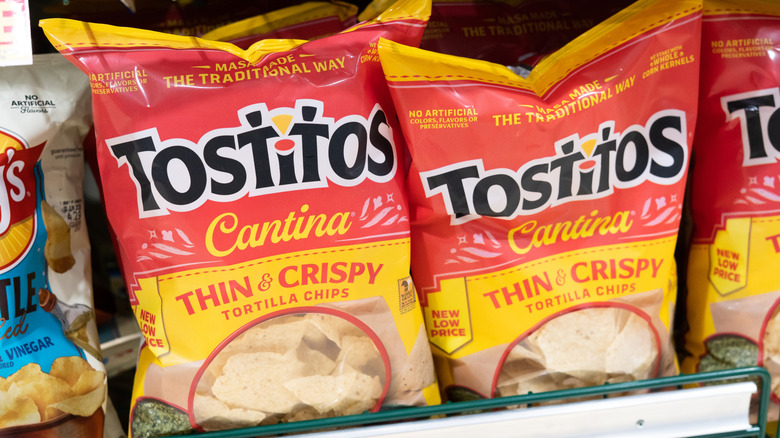
Innovation pipelines have not been spared from the corporate knife. Golden Sriracha Doritos, launched in January 2025 to generally favorable reviews for their balanced sweet-and-spicy profile, are reportedly being phased out alongside Tostitos Cantina Thin & Crispy Tortilla Chips. While the latter product remains temporarily available in select retail locations, supply chain indicators suggest complete discontinuation by the close of the year. Furthermore, the 16-ounce container of Tostitos Nacho Cheese Dip is rumored for retirement, a move that market researchers suggest may actually align with consumer preferences, given historical criticisms regarding its texture compared to the brand’s alternative queso offerings.

Additional casualties within the Frito-Lay network include Smartfood Movie Theater Butter Popcorn—widely regarded by consumers as a premier flavor in the ready-to-eat popcorn category—alongside Cheddar Flavored Rold Gold Tiny Twists Pretzels, Queso Flavored Fritos Flavor Twists, and Spicy Queso Flavored Funyuns. The Lay’s Poppables line has also experienced notable shrinkage, with the recently introduced Sweet Potato flavor reportedly cut alongside Veggie Sea Salt and Veggie Ranch variants, dealing a blow to consumers seeking gluten-free snack alternatives. In the non-chip category, Doritos Cool Ranch Flavor Spitz Sunflower Seeds, which were introduced to provide a high-protein alternative to traditional seed flavors, have similarly struggled to secure a permanent place in the streamlined manufacturing ecosystem.
Shifts in Beverage and Confectionery Markets
Beyond the snack aisle, the beverage and frozen treat sectors are experiencing similar contractions. The energy drink market, known for its rapid flavor rotation and intense brand loyalty, has seen significant adjustments. Monster Beverage Corporation has faced mounting consumer inquiries regarding the availability of Khaotic Monster Juice. As an evolution of the classic 2005 Khaos flavor profile, Khaotic had built a dedicated consumer base drawn to its distinct tropical citrus taste. However, distribution bottlenecks and unconfirmed reports of discontinuation have left daily consumers scrambling to secure remaining regional stock.
In the dairy and frozen dessert sector, Blue Bell Creameries has confirmed the phasing out of Butter Crunch, an enduringly popular flavor that has long maintained a dedicated regional following. Official corporate communications through customer service channels and digital platforms have verified that the flavor is not slated for production renewal, resulting in widespread disappointment among long-time patrons of the brand.
Economic Implications and Industry Analysis
The widespread withdrawal of these consumer goods highlights the delicate balancing act food manufacturers must perform in an era of compressed operating margins. SKU rationalization allows corporations to reduce supply chain complexity, lower warehousing and logistics costs, and concentrate resources on high-velocity core brands that guarantee predictable returns. By trimming underperforming or low-margin product variations, companies can better absorb the rising costs of raw agricultural commodities, packaging materials, and regulatory compliance.
However, this corporate efficiency strategy carries distinct market risks. Discontinuing niche and culturally resonant products frequently alienates brand loyalists, creating voids in the market that agile independent competitors or private-label brands can quickly exploit. Furthermore, the removal of affordable pantry staples, such as frozen juice concentrates, places an additional financial burden on budget-conscious consumers who rely on shelf-stable goods to navigate ongoing grocery inflation.
As the retail sector moves deeper into 2026, grocery aisles will likely continue to reflect this leaner, more conservative corporate approach. While food manufacturers focus on core profitability and streamlined operations, consumers must adapt to a less diverse marketplace where favorite specialty items may disappear without advance public notice.