New England’s Music Elite Unite to Champion Ticket Resale Reform in Massachusetts

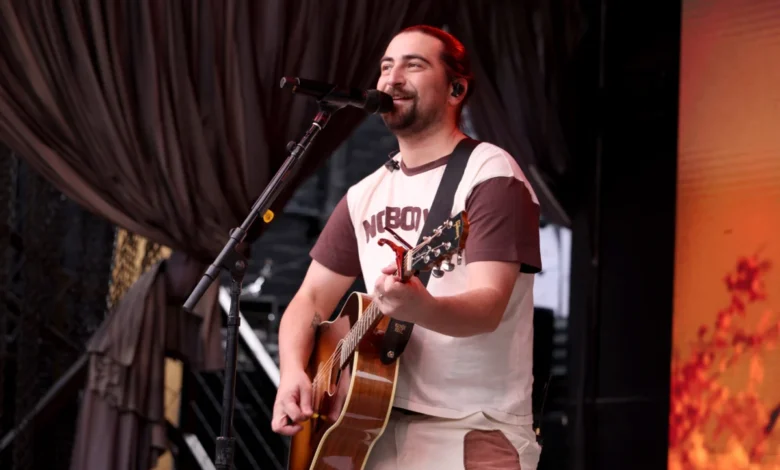
A powerful coalition of prominent recording artists hailing from New England has formally declared their unwavering support for recently introduced legislation in Massachusetts aimed at curbing the exploitative practices of ticket scalpers. The artists, including chart-topping sensation Noah Kahan, indie rock pioneers The Pixies, folk-rock icon Aimee Mann, jam band favorites Goose, and Boston’s own punk rock titans Dropkick Murphys, have collectively penned an open letter urging Massachusetts lawmakers to approve the proposed bill. This legislation seeks to establish a legal cap on the resale prices of concert and event tickets, a move championed by the artists as essential to preserving the accessibility and integrity of live performances.
The impassioned letter, released on Wednesday, articulates a core grievance shared by the signatories: "Live performance should not be a luxury. Our art is not a commodity to be bought and resold at extreme markups against our wishes. People who contribute nothing to live performance should not profit more than the artists, venues, crews, and workers who bring these shows to life." This statement underscores the artists’ belief that the current ticketing ecosystem disproportionately benefits intermediaries at the expense of both fans and the creators themselves.
This unified artistic front emerges precisely one week after Massachusetts Governor Maura Healey officially unveiled "The Great Divide Act," the legislative proposal now at the heart of this advocacy campaign. Notably, the act’s evocative name draws inspiration from Noah Kahan’s critically acclaimed and commercially successful latest album, highlighting a significant cultural resonance. Governor Healey articulated the bill’s core tenets, proposing a resale price cap set at a maximum of 110 percent of the original face value. Under this framework, a ticket initially priced at $100 would be legally permitted to be resold for no more than $110. Beyond this price ceiling, the legislation also aims to regulate fees imposed by secondary ticketing platforms and explicitly outlaw speculative ticketing – a practice where brokers list tickets for sale before they have actually acquired them, creating artificial scarcity and inflated prices.
The artists’ letter further elaborates on the emotional toll that predatory ticket resale inflicts. "Few things hurt an artist more than seeing a fan exploited by a ticket reseller," the signatories stated. "It’s heartbreaking to read comments from fans who paid outrageous resale prices, knowing there’s little we can do to help. Every artist signing this letter has experienced that feeling. Predatory resale, scalping, ticket touting, whatever you choose to call it, does more than exploit fans financially. It erodes the trust between artists and the people who support us." This sentiment reflects a deep-seated concern that the opaque and often exploitative nature of the secondary ticketing market damages the vital connection between performers and their dedicated fan bases.
Noah Kahan, in particular, has emerged as a vocal and persistent advocate for ticketing reform in recent months. His active engagement extends beyond the Massachusetts initiative, as he has also lent his considerable influence to a recently enacted ticketing law in his home state of Vermont. This dual focus demonstrates a broader commitment to addressing systemic issues within the live music industry across multiple jurisdictions.
The legislative push for fairer ticketing practices is not solely an artist-driven endeavor. The bill has garnered significant backing from various influential industry organizations. These include the Music Artist Coalition, the National Independent Talent Organization, and the Future of Music Coalition. These groups represent a broad spectrum of interests within the music ecosystem, amplifying the call for regulatory intervention.
Ron Gubitz, Executive Director of the Music Artists Coalition, expressed strong endorsement for the proposed legislation. "Artists and fans want the same thing: a fair shot at getting into the room where the music happens," Gubitz stated in a prepared release. "Speculative tickets and runaway resale fees break that deal for everyone except the industrial-scale ticket flippers. The Great Divide Act draws that line clearly. Massachusetts, led by Gov. Healey and Sen. Fernandes, is leading the country here with this strong set of reforms." His statement emphasizes the alignment of interests between artists and consumers, positioning the bill as a critical step towards restoring balance to the market.
A Growing National Trend: States Tackle Ticket Scalping
The Massachusetts bill aligns with a discernible and accelerating trend across the United States, where state legislatures are increasingly taking legislative action to combat aggressive ticket scalping. This growing momentum reflects a shared recognition among policymakers that the current system is failing to protect consumers and artists.
Timeline of Recent Legislative Actions:
- Last Year (2023): Maine enacted legislation to implement price caps on the resale of tickets, signaling an early adoption of such measures in the New England region.
- Earlier This Year (2024): California and New York, two of the nation’s largest markets for live entertainment, introduced their own legislative proposals aimed at regulating ticket resale prices and practices.
- Last Week (Prior to the Letter’s Release): Washington, D.C., officially approved a price cap on concert ticket resales, marking another significant victory for consumer advocacy and artist rights in the nation’s capital.
These developments indicate a nationwide awakening to the challenges posed by the secondary ticketing market and a collective effort to find legislative solutions. The Massachusetts initiative, therefore, is not an isolated event but rather a component of a broader national dialogue and policy shift.
The "Great Divide Act": Key Provisions and Impact Analysis
"The Great Divide Act" represents a comprehensive approach to reforming the ticket resale market. Its core provisions aim to create a more equitable environment for fans and artists by directly addressing several problematic aspects of current practices.
Key Provisions of "The Great Divide Act":
- Resale Price Cap: The most significant element of the bill is the establishment of a maximum resale price, set at 110% of the original face value. This is intended to prevent exorbitant markups that often place tickets out of reach for ordinary consumers. For instance, a $50 ticket could only be resold for a maximum of $55, a stark contrast to the potentially hundreds or even thousands of dollars seen in the current unregulated market for high-demand events.
- Secondary Ticketing Fee Regulation: The bill also seeks to rein in the often-opaque and substantial fees charged by secondary ticketing platforms. By capping these fees, the legislation aims to provide greater transparency and reduce the overall cost for consumers purchasing on the secondary market.
- Prohibition of Speculative Ticketing: This provision directly targets the practice of brokers listing tickets for sale that they do not yet possess. By outlawing speculative ticketing, the act aims to prevent the artificial inflation of prices and the creation of a false sense of scarcity, ensuring that tickets listed for sale are genuinely available.
Potential Implications of the Act:
The passage of "The Great Divide Act" could have several significant implications for the live entertainment landscape in Massachusetts:
- Increased Fan Accessibility: By capping resale prices, the bill has the potential to make a wider range of live events more accessible to a larger segment of the population. This could lead to fuller venues and a more diverse audience demographic.
- Artist Revenue Protection: While artists’ primary revenue comes from initial ticket sales and touring, inflated resale prices can sometimes indirectly impact their ability to command higher initial prices or sell out venues consistently if fans are priced out. By stabilizing the market, the act may indirectly support artists’ long-term marketability.
- Impact on Resale Platforms and Brokers: Secondary ticketing platforms and professional ticket brokers are likely to see a reduction in their profit margins. This could lead to shifts in business models or a consolidation within the industry.
- Potential for Unintended Consequences: As with any significant regulatory change, there is always the potential for unintended consequences. Critics might argue that price caps could stifle market liquidity or that enforcement could prove challenging. However, the broad support from artists and industry groups suggests a belief that the benefits outweigh these potential drawbacks.
The Artists’ Collective Voice: A Plea for Fairness
The full text of the letter penned by the artists provides a comprehensive articulation of their concerns and their vision for a more equitable ticketing system.
"We write as artists who believe deeply in the power of live performance," the letter begins. "Shows are where families make memories, where young people discover who they are, and where entire rooms of people share something that cannot be recreated anywhere else. We want these moments to be accessible to everyone, not just those who can afford prices driven by a broken ticket resale market."
The artists emphasize the inherent value of their work beyond its monetary worth. "Live performance should not be a luxury. Our art is not a commodity to be bought and resold at extreme markups against our wishes. People who contribute nothing to live performance should not profit more than the artists, venues, crews, and workers who bring these shows to life." This sentiment highlights the artists’ view that the current system allows for profit without contribution to the artistic creation or delivery of the event.
The emotional impact on fans is a recurring theme. "Few things hurt an artist more than seeing a fan exploited by a ticket reseller. It’s heartbreaking to read comments from fans who paid outrageous resale prices, knowing there’s little we can do to help. Every artist signing this letter has experienced that feeling. Predatory resale, scalping, ticket touting, whatever you choose to call it, does more than exploit fans financially. It erodes the trust between artists and the people who support us." This passage underscores the artists’ empathy and their recognition of the damage inflicted upon their most loyal supporters.
The letter continues by acknowledging the dedication of their fans. "We know how much our fans give to be part of these moments. They plan, they save, and they show up. Our fans support us without hesitation, and we owe it to them to stand up for a system that doesn’t shut them out." This statement frames their advocacy as a reciprocal act of loyalty to their fan base.
Concluding their appeal, the artists directly address the legislative action in Massachusetts: "Massachusetts is acting to protect our fans by capping resale at 110%, banning speculative tickets and cracking down on deceptive websites. We respectfully ask Massachusetts legislators to stand up for their constituents by protecting fair access to live performances and supporting these reforms." This direct call to action underscores their hope that the bill will be swiftly enacted.
Signatories of the Letter: A Diverse Musical Spectrum
The collective strength of the artists’ appeal is amplified by the diverse range of established and respected musicians who have lent their names to the cause. This broad representation signals a widespread concern across various genres and fan bases.
The full list of signatories includes:
- Noah Kahan
- Dropkick Murphys
- The Pixies
- Goose
- Aimee Mann
- Killswitch Engage
- Shadows Fall
- Four Year Strong
- New England Metal and Hardcore Fest (representing a significant community event)
- A Loss For Words
- All That Remains
- Flawed Mangoes
- Mark Erelli
- Melissa Ferrick
- Mission of Burma
- Ryan Montbleau
The inclusion of bands spanning folk-pop, punk, metal, indie rock, and jam band genres demonstrates that the issue of ticket scalping is not confined to a single musical niche but affects artists and fans across the entire live entertainment spectrum. The presence of festival organizers also indicates a broader concern for the health of the live music ecosystem.
As "The Great Divide Act" moves through the legislative process in Massachusetts, the unified voice of these prominent artists serves as a powerful testament to the urgent need for reform in the ticketing industry, aiming to ensure that live performances remain an accessible and cherished experience for all.