Nordstrom’s Anniversary Sale Unveils Exclusive Beauty Deals with Significant Savings

The highly anticipated Nordstrom Anniversary Sale has officially launched, presenting a curated selection of exclusive beauty deals that are capturing significant attention from consumers and industry insiders alike. This annual retail event, a cornerstone of the fashion and beauty calendar, is renowned for offering customers access to premium products at significantly reduced prices, often before their official seasonal release. This year’s iteration is no exception, with a particular emphasis on high-value beauty sets and individual luxury items that are experiencing rapid sell-outs, underscoring the strong consumer appetite for premium skincare and makeup at accessible price points.
The allure of the Nordstrom Anniversary Sale lies in its unique proposition: offering new arrivals and popular items at discounted prices for a limited period. Unlike traditional end-of-season sales that feature clearance items, the Anniversary Sale is characterized by its focus on brand-new merchandise. This strategic timing allows Nordstrom to generate buzz and drive early sales for upcoming collections, while simultaneously providing consumers with an exceptional opportunity to invest in coveted beauty products. The sale typically spans several weeks, with different tiers of access for Nordstrom cardholders before opening to the general public, creating a sense of urgency and exclusivity.
This year’s beauty offerings are particularly noteworthy for their substantial value, with many sets boasting original retail values exceeding $400. These bundled collections are now available at significantly marked-down prices, representing a rare opportunity for consumers to stock up on luxury skincare and makeup. The exclusive nature of these deals means that many of these product combinations and pricing structures are available only through Nordstrom and only during the sale period, after which prices are expected to revert to their standard levels. This limited-time availability compels shoppers to act quickly to secure these premium items at a fraction of their usual cost.
The breadth of the beauty selection at this year’s sale encompasses a wide range of categories, from potent anti-aging serums and cult-favorite fragrances to travel-friendly makeup palettes and deeply moisturizing skincare. The inclusion of celebrity-endorsed products and highly sought-after brands further amplifies the appeal, transforming the sale into a prime destination for both informed beauty enthusiasts and those looking to discover new holy grail products.
H2: Spotlight on Exclusive Beauty Offerings
Among the most compelling deals is Dr. Diamond’s Metacine Instafacial Plasma Bioactive Growth Factor Serum Duo. This luxurious skincare duo has garnered significant attention, notably being a favored product of reality television personality LaLa Kent. The serum is formulated with a proprietary Bioactive Growth Factor Complex and a blend of peptides, ingredients renowned for their ability to visibly firm, plump, and rejuvenate the skin. During the Anniversary Sale, this high-performance serum is available with a saving of $120, making this potent skincare innovation more accessible. The efficacy of growth factors in promoting cellular repair and regeneration is a well-documented area of dermatological research, contributing to the serum’s premium positioning and the substantial value offered by this sale bundle.
Another standout is the Westman Atelier Petite Baby Cheeks Blush & Lit Up Highlight Stick Duo. This travel-friendly compact is designed for effortless application on the go, offering a seamless way to add a touch of color and radiance to the complexion. Shoppers have lauded its ability to complement a wide range of skin tones, making it a versatile addition to any makeup collection. The brand, Westman Atelier, is synonymous with luxury clean beauty, and its inclusion in the Nordstrom sale at exclusive pricing highlights the retailer’s commitment to offering premium brands. The duo provides a convenient and high-quality solution for maintaining a polished look throughout the day, embodying the convenience and efficacy sought by modern consumers.
For fragrance aficionados, the Phlur Vanilla Skin Forever Duo presents a compelling proposition. Phlur, a brand celebrated for its thoughtfully crafted and ethically produced scents, has marked down its bestselling Vanilla Skin fragrance. This duo includes both a full-size bottle and a mini version of the popular scent, offering exceptional value. Vanilla Skin is lauded for its warm, inviting, and sophisticated aroma, making it a versatile choice for daily wear. The brand’s commitment to transparency in ingredient sourcing and sustainable practices further enhances its appeal in a market increasingly focused on conscious consumerism.
In the realm of advanced skincare, the True Botanicals Chebula Active Serum Duo is drawing considerable interest. Chebula, a powerful antioxidant derived from the Chebula fruit, is emerging as a significant ingredient in the skincare industry. This serum leverages its potent properties to support a healthy skin barrier, smooth skin texture, and impart a radiant glow. True Botanicals is recognized for its commitment to "bioactive" skincare, utilizing potent, natural ingredients backed by scientific research. The inclusion of this innovative serum in a duo format at a discounted price signifies a strategic move to introduce a wider audience to this groundbreaking ingredient.
Natural beauty enthusiasts will appreciate the Kate McLeod Daily Stone Ritual Set – Deeply Moisturizing Lotion Bar Duo. This luxury set features a concentrated cocoa butter lotion bar designed to melt into the skin upon contact, providing deep hydration without a greasy residue. The accompanying bamboo canister adds an element of sustainable elegance to the product. Valued at $86, this duo is available for less than $60 during the sale, making it an accessible entry point into the world of solid skincare and a testament to the brand’s focus on natural, effective formulations. The shift towards solid beauty formats is driven by a desire for reduced packaging waste and more concentrated, waterless formulas.
H3: Cult Classics and High-End Experiences

The Nordstrom Anniversary Sale also features established powerhouses in the beauty industry. The Sulwhasoo First Care Activating Serum VI, a staple in K-beauty routines, is available at a special price. This iconic Korean serum is formulated with a unique blend of 500-hour fermented ginseng and a complex of Korean herbs, alongside a Vitamin C derivative. Its multi-faceted benefits include strengthening the skin barrier, visibly reducing fine lines, enhancing hydration, soothing the skin, and combating visible signs of aging. Sulwhasoo’s deep roots in traditional Korean herbal medicine, combined with modern scientific advancements, have cemented its reputation as a leading luxury skincare brand.
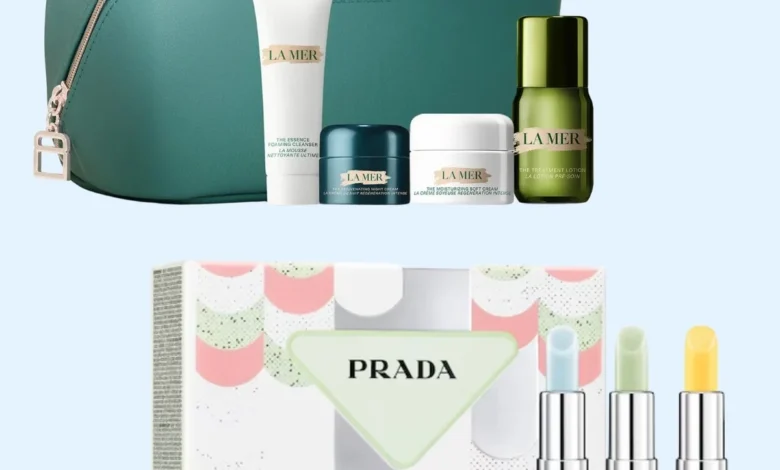
For those seeking to experience the pinnacle of luxury skincare, the La Mer The Most Loved Minis Gift Set offers an enticing opportunity. This curated collection provides mini-sized versions of La Mer’s most iconic products, including the foaming cleanser, treatment lotion, soft cream, and night cream. This set is ideal for sampling the brand’s transformative formulations or for maintaining a consistent skincare regimen while traveling. La Mer’s legendary "Miracle Broth" is the cornerstone of its product line, renowned for its potent healing and rejuvenating properties, and this set allows consumers to experience its benefits across multiple product categories.
H2: The Strategic Significance of the Nordstrom Anniversary Sale
The Nordstrom Anniversary Sale is more than just a retail event; it’s a carefully orchestrated strategy that benefits both the retailer and its clientele. For Nordstrom, it serves as a critical driver of early holiday season sales and a powerful tool for customer acquisition and loyalty. By offering exclusive access and deeply discounted prices on new merchandise, the sale encourages spending and introduces customers to a wide array of brands and products they might not otherwise purchase. The tiered access for Nordstrom cardholders further incentivizes card sign-ups and continued engagement with the brand.
For consumers, the sale represents an unparalleled opportunity to acquire high-quality beauty products at a significantly reduced cost. The emphasis on "new arrivals" distinguishes it from typical clearance events, allowing shoppers to invest in the latest trends and sought-after items. The substantial savings, particularly on luxury brands and exclusive sets, make premium beauty more attainable, enabling individuals to upgrade their routines or experiment with new products without the usual financial commitment. The rapid sell-out of popular items is a clear indicator of the perceived value and desirability of these exclusive offers.
H3: Data-Driven Insights into Consumer Behavior
The consistent success of the Nordstrom Anniversary Sale can be partly attributed to a deep understanding of consumer behavior and market trends. The beauty industry, in particular, is driven by a constant demand for innovation, efficacy, and aspirational branding. The sale taps into these drivers by featuring products that are either trending, celebrity-approved, or represent significant advancements in skincare and makeup technology. The bundling of popular items into value sets is a well-established retail tactic that appeals to consumers seeking a comprehensive solution or a cost-effective way to try multiple products from a desired brand.
Market research consistently shows that consumers are increasingly willing to invest in skincare that offers visible results and addresses specific concerns, such as aging, hydration, and skin barrier health. The inclusion of scientifically formulated serums and ingredient-focused products like the Chebula serum aligns with this trend. Similarly, the enduring appeal of luxury fragrance and high-performance makeup ensures a broad base of interest. The strategic selection of brands that resonate with different consumer segments, from clean beauty advocates to K-beauty enthusiasts and traditional luxury aficionados, further broadens the sale’s reach.
H2: Broader Impact and Future Implications
The success of exclusive sales events like the Nordstrom Anniversary Sale has broader implications for the retail landscape. It highlights the ongoing importance of curated shopping experiences and the power of limited-time offers to drive consumer engagement. As e-commerce continues to evolve, retailers are increasingly focused on creating unique value propositions that go beyond simple price reductions. The emphasis on exclusive product formulations and bundles, as seen in this year’s beauty offerings, underscores a move towards differentiated inventory and strategic brand partnerships.
The event also serves as an early indicator of upcoming seasonal trends in the beauty industry. The types of products that perform well during the sale often foreshadow what will be popular in the months to come. For brands, participating in such a high-profile event provides significant exposure and an opportunity to gauge consumer reception to new or existing product lines. The data generated from sales performance can inform future product development, marketing strategies, and inventory planning.
Furthermore, the ongoing consumer appetite for premium beauty products, even in challenging economic climates, demonstrates the category’s resilience. The ability of sales like Nordstrom’s to make these desirable items more accessible plays a crucial role in sustaining this demand. As consumers become more discerning and research-driven, the emphasis on product efficacy, ingredient transparency, and brand reputation, all of which are often highlighted in the marketing of these sale items, will continue to be key factors in purchasing decisions. The Nordstrom Anniversary Sale, therefore, remains a pivotal event, not just for immediate sales figures, but for its role in shaping consumer expectations and influencing the direction of the beauty market.