A Centuries-Old Mummy Mask Reveals the Artistic Prowess and Ritualistic Practices of the Chancay Culture

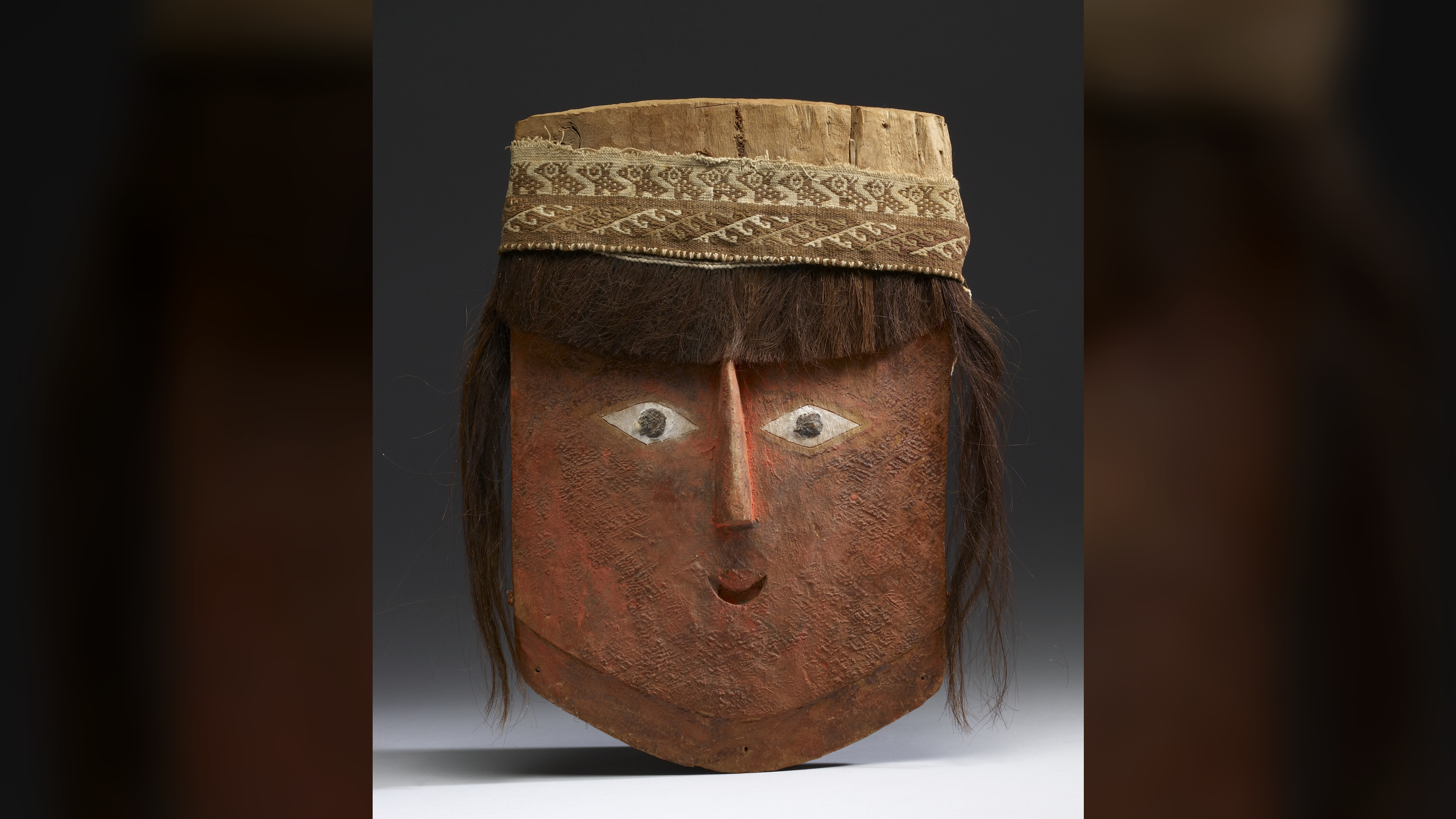
A remarkable artifact, a centuries-old mummy mask adorned with human hair, has resurfaced, offering a poignant glimpse into the artistic sophistication and profound funerary rituals of the Chancay culture, which flourished in what is now Peru between approximately 1000 and 1450 CE. This intricately carved wooden mask, painted in vibrant hues and meticulously detailed, serves as a testament to the skilled craftsmanship and deep spiritual beliefs of this pre-Columbian civilization. The mask, currently housed at The Walters Art Museum and shared under a Creative Commons Zero license, is more than just an object of beauty; it is a portal to understanding a society that placed immense importance on the afterlife and the veneration of their deceased.
The Chancay Culture: A Flourishing Coastal Civilization
The Chancay culture emerged along the central coast of Peru, an arid region characterized by fertile river valleys that supported agricultural development. Their civilization thrived for several centuries, developing a distinct artistic style and complex social structures. Known for their advanced textile production, pottery, and woodworking, the Chancay people left behind a rich archaeological record that continues to inform our understanding of pre-Inca societies in the Andes. Their influence extended across a significant portion of the coast, with major centers of population and cultural activity located in the valleys of the Chancay, Chillón, and Rímac rivers.
The Chancay period, roughly from 1000 to 1450 CE, predates the rise of the Inca Empire, which would later conquer and integrate many of the coastal cultures. Despite their eventual absorption into the Inca realm, the Chancay culture maintained its unique identity and artistic traditions for a considerable period. Their economic system was largely agrarian, relying on sophisticated irrigation techniques to cultivate crops such as maize, beans, and gourds in the challenging desert environment. Trade also played a role in their society, connecting them with other cultures in the Andean region.
The Significance of Mummy Masks in Chancay Funerary Practices
The Chancay are particularly renowned for their elaborate burial practices, which often involved mummification and the inclusion of grave goods intended to accompany the deceased into the afterlife. Mummy masks, like the one recently highlighted, were a crucial element of these funerary rituals. These masks were not merely decorative; they were believed to serve a vital purpose in the transition to the next world.
It is widely understood that the Chancay, like many ancient cultures, held a strong belief in an afterlife. The mummy mask was thought to protect and guide the spirit of the deceased, acting as a surrogate face or identity in the spiritual realm. The careful crafting of these masks, often depicting idealized or stylized human features, suggests a desire to present the deceased in a dignified and recognizable form for their eternal journey. The inclusion of real human hair further enhances this connection to the earthly life and identity of the individual, adding a deeply personal and almost uncanny element to the artifact.
The materials used in these masks varied, but carved wood was a common choice, allowing for intricate detailing and expressive forms. The application of pigments, such as the red seen on this particular mask, was also significant. Colors often carried symbolic meanings in pre-Columbian art, and red could represent life, blood, or power. The combination of wood, paint, and human hair created an artifact that was both aesthetically striking and ritually potent.
Chronology of the Chancay Civilization and the Mask’s Creation
The period of Chancay cultural dominance spans roughly from the 11th to the 15th centuries CE. The mask in question is dated to circa 1000 to 1450 CE, placing it squarely within the zenith of Chancay artistic and cultural development. This era saw the consolidation of their influence along the coast and the refinement of their artistic techniques.
- Circa 1000 CE: Emergence of distinct Chancay cultural traits, marking the beginning of the Chancay period.
- 11th – 14th Centuries CE: Peak of Chancay civilization, characterized by significant population growth, urban development, and artistic flourishing, including the production of elaborate mummy masks.
- Circa 1450 CE: The Inca Empire begins its expansion, eventually conquering the Chancay territories and incorporating them into their vast empire. While the Chancay culture as an independent entity ceased to exist, its artistic legacy and some cultural practices continued to influence the region.
The creation of such a mask would have been a meticulous and time-consuming process, likely undertaken by skilled artisans. The selection of wood, the carving of the facial features, the preparation of pigments, and the careful attachment of the hair all point to a high level of specialization within Chancay society. The context of its creation—a funerary ritual—suggests it was commissioned by the family or community of the deceased, reflecting their social standing and the importance they placed on proper burial rites.
Supporting Data: Archaeological Discoveries and Cultural Parallels
Archaeological excavations throughout the Chancay region have yielded a wealth of information about their funerary practices. Numerous burial sites have been uncovered, often containing mummies adorned with textiles, jewelry, and masks. The commonality of these artifacts across different sites underscores the widespread adherence to these ritualistic customs.
Studies of Chancay textiles, for instance, reveal a remarkable level of skill in weaving and dyeing. The intricate patterns and vibrant colors found on their fabrics are often mirrored in the designs and motifs found on their pottery and wooden artifacts, suggesting a unified aesthetic sensibility. The use of natural dyes, derived from plants and minerals, allowed for a rich palette of colors.
Furthermore, the practice of creating funerary masks was not unique to the Chancay. Many ancient cultures across the globe, from ancient Egypt to various indigenous groups in North America, employed masks in their burial rituals, each with their own specific meanings and symbolic interpretations. This cross-cultural phenomenon highlights a universal human impulse to bridge the gap between life and death, and to prepare the deceased for their journey into the unknown.
The Chancay masks, however, often exhibit a distinctive style characterized by stylized features, prominent eyes, and a generally serene or impassive expression. The inclusion of hair, as seen on this particular mask, adds a layer of realism and personal connection that sets them apart from some other mask traditions.
Analysis of Implications: Understanding Identity and Belief Systems
The existence of such a well-preserved mummy mask provides invaluable insights into several key aspects of Chancay society:
- Artistic Sophistication: The mask demonstrates a high level of skill in woodworking and artistic representation. The precision of the carving and the vibrant application of paint showcase the aesthetic sensibilities and technical mastery of Chancay artisans. This challenges any simplistic notions of "primitive" art and highlights the advanced cultural achievements of pre-Columbian peoples.
- Belief in the Afterlife: The mask’s function as a funerary item underscores the profound importance of the afterlife in Chancay belief systems. The effort and resources dedicated to creating these elaborate masks suggest a deeply ingrained conviction that the deceased continued to exist in some form after death and required assistance in their transition.
- Social Hierarchy: The quality and materials used in mummy masks could also have reflected the social status of the deceased. More elaborate masks, perhaps made from finer wood or adorned with more precious materials, may have been reserved for individuals of higher social standing. While the specific status of the individual associated with this particular mask is unknown without further context, its craftsmanship suggests it belonged to someone of importance.
- Cultural Continuity and Change: The Chancay culture, while eventually absorbed by the Inca, developed unique traditions. The study of artifacts like this mask helps archaeologists and historians trace the development and diffusion of cultural practices across the Andean region, and to understand the ways in which these traditions were maintained or transformed over time.
The "quick facts" provided with the artifact offer a concise overview:
- Name: Mummy mask with wig
- What it is: A carved wooden mask
- Where it is from: Peru
- When it was made: Circa 1000 to 1450
This information, while brief, serves as a crucial starting point for understanding the object’s provenance and historical context. The fact that it is a "carved wooden mask" highlights the primary medium, while its origin in "Peru" places it geographically within the rich tapestry of Andean civilizations. The dating provides a clear temporal anchor, situating it within a period of significant cultural development.
Broader Impact and Implications: Preserving Heritage and Fostering Understanding
The preservation and study of artifacts like the Chancay mummy mask are vital for several reasons. Firstly, they are crucial for understanding the history and cultural heritage of indigenous peoples in Peru. These objects are tangible links to the past, allowing for a deeper appreciation of the achievements and beliefs of civilizations that existed long before the arrival of Europeans.
Secondly, such discoveries contribute to the broader field of archaeology and anthropology. By analyzing the materials, craftsmanship, and context of these artifacts, researchers can reconstruct ancient societies, understand their social structures, economies, and belief systems. This knowledge helps to challenge Eurocentric narratives of history and to highlight the diversity of human experience and ingenuity across the globe.
The Walters Art Museum’s decision to share this artifact under a Creative Commons Zero license is commendable. This open-access approach promotes wider dissemination of cultural heritage, allowing educators, researchers, and the general public to engage with and learn from these important historical objects without restrictive copyright barriers. It fosters a global community of learning and encourages a greater appreciation for the shared heritage of humanity.
The ongoing research into the Chancay culture, supported by artifacts like this mummy mask, continues to enrich our understanding of a fascinating and complex civilization. Each discovery adds another piece to the puzzle, revealing the intricate details of their lives, their beliefs, and their enduring legacy. The mask, with its striking appearance and profound cultural significance, stands as a powerful reminder of the rich and diverse history of human civilization in the Americas.
Related posts: