The Gut Microbiome’s Hidden Role in Hormone Regulation: Industrialized Societies Show Higher Levels of Hormone-Recycling Bacteria

Discarded sex hormones can be returned to the bloodstream by bacteria in the gut, and a groundbreaking study has revealed a stark difference in the prevalence of these hormone-recycling microbes between industrialized and non-industrialized populations. Researchers have found significantly higher concentrations of these bacteria in the guts of individuals from industrialized societies compared to hunter-gatherers and non-industrial farmers. This discovery suggests that modern lifestyles may contribute to elevated blood levels of certain sex hormones, potentially leading to profound health consequences.
"We don’t know how the body would respond to this increased input," stated Rebecca Brittain, lead researcher at Jagiellonian University Medical College in Poland. "But the implications could be quite large." The study, published recently, sheds new light on the intricate interplay between our gut’s microbial inhabitants and our endocrine system, a relationship that could have far-reaching effects on human health, fertility, and disease risk.
The Oestrobolome and Testobolome: Unveiling the Gut’s Hormonal Influence
Sex hormones, including estrogens and testosterone, are vital chemical messengers that circulate throughout the body, regulating a vast array of physiological processes. When the body has an excess of these hormones, the liver often steps in to neutralize them by attaching a chemical tag, typically a sugar molecule. This tagged hormone is then typically excreted from the body, often through the digestive system.
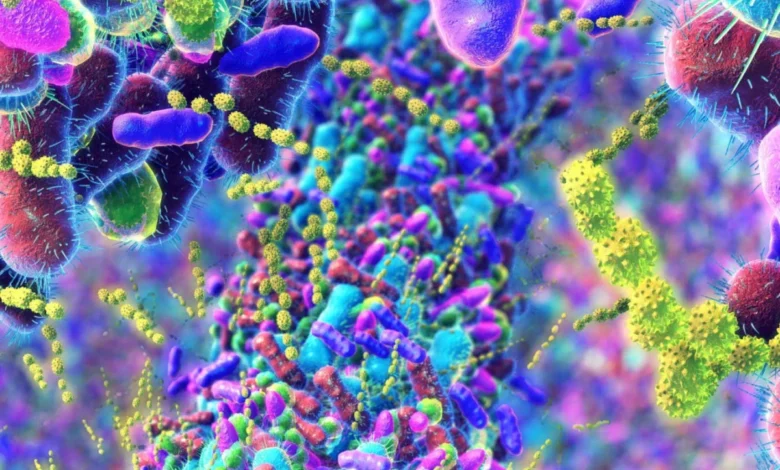
However, the story doesn’t end there. The gut is a bustling ecosystem teeming with trillions of bacteria, many of which possess specialized enzymes. Certain gut bacteria, equipped with enzymes known as beta-glucuronidases, are capable of cleaving these sugar tags from the discarded hormones. Once the tag is removed, the hormone is effectively reactivated and can be reabsorbed by the intestinal lining, re-entering the bloodstream. Scientific evidence indicates that a substantial proportion of excreted sex hormones are subject to this bacterial recycling process, highlighting a direct link between gut microbial activity and systemic hormone levels.
This phenomenon led to the coining of the term "oestrobolome" in 2011, a concept that describes the collective community of gut bacteria capable of metabolizing estrogens. The oestrobolome’s activity can significantly influence circulating estrogen levels, impacting both men and women. More recently, the analogous term "testobolome" has been proposed to describe the gut bacteria that can alter testosterone levels. Understanding these microbial communities is becoming increasingly crucial for comprehending the nuances of hormonal health.
A Global Comparison: Industrialization and its Microbiome Signature
The latest research, spearheaded by Brittain’s team, conducted a comprehensive comparison of the oestrobolomes across hundreds of individuals from 24 diverse populations worldwide. The study leveraged existing data from previous research that had sequenced the gut microbiomes of these populations. The sampled groups represented a wide spectrum of lifestyles, including traditional hunter-gatherer communities in Botswana and Nepal, rural farming populations in Venezuela and Nepal, and urban dwellers in Philadelphia and Colorado, representing industrialized societies.
The researchers meticulously analyzed genetic sequences that code for beta-glucuronidase enzymes. By measuring the overall proportion and diversity of these sequences, they aimed to quantify the potential estrogen-recycling capacity of the gut microbes within each population. The findings were striking: the estrogen-recycling capacity of gut microbes in industrialized populations was found to be up to seven times greater than in hunter-gathering and rural farming populations. Furthermore, the diversity of these hormone-recycling bacteria was also double in the industrialized groups.
This significant disparity suggests that the dietary patterns, environmental exposures, and lifestyle choices prevalent in industrialized societies may foster a gut microbiome that is far more adept at recycling sex hormones. The implications of such enhanced recycling are still being explored, but it points towards a potential mechanism for altered hormone homeostasis in modern populations.
Early Life Influences and the Absence of Demographic Factors
Interestingly, the study also revealed significant differences in early life. Infants fed formula exhibited up to three times the recycling capacity and up to 11 times the diversity of hormone-recycling bacteria compared to breastfed infants. This finding underscores the critical role of early nutrition in shaping the developing gut microbiome and its long-term functional capacity.
Conversely, the study found that an individual’s age, sex, and Body Mass Index (BMI) did not appear to significantly influence their oestrobolomes. This suggests that while lifestyle and early-life nutrition play a crucial role, these demographic factors may not be the primary drivers of differences in the oestrobolome. This observation is particularly noteworthy as it isolates the influence of broader societal and environmental factors.
Unraveling the Health Implications: Potential Risks and Benefits
The crucial next step for Brittain’s team and other researchers in the field is to definitively establish whether the higher gene sequence counts for beta-glucuronidase enzymes translate into actual higher levels of estrogen recycling and, most importantly, higher circulating levels of hormones in the bloodstream. The human body possesses remarkable adaptive mechanisms, and it is possible that individuals’ systems can partially or completely compensate for increased bacterial recycling by adjusting hormone production or clearance.
However, if some individuals consistently experience higher blood levels of estrogens throughout their lives due to their microbiomes, the potential health consequences could be substantial. Elevated estrogen levels have been linked to an increased risk of certain hormone-sensitive cancers, such as breast and ovarian cancer. They can also influence fertility, mood, and other aspects of well-being.
Conversely, Brittain pointed out that the assumption that higher estrogen recycling is always detrimental might be too simplistic. "The assumption is usually that higher oestrogen recycling is harmful," she noted. "I don’t think that’s a fair assumption. For some people with really low oestrogen levels this could be a good thing." This suggests that in certain contexts, a more robust oestrobolome could potentially be beneficial, helping to maintain adequate hormone levels in individuals who might otherwise be deficient.
Expert Perspectives and Future Research Directions
Katherine Cook, a researcher at Wake Forest University School of Medicine who is investigating the links between the microbiome and breast cancer risk, commented on the study’s significance. "It is an interesting study that adds to the growing evidence of the importance of the gut microbiome function in human health and development," she stated.
However, Cook also highlighted potential limitations, noting that all the industrialized populations included in the study were located in the US. "Additional cohorts, perhaps from Europe, could have strengthened the industrial associations," she suggested. This call for broader geographical representation is crucial for solidifying the study’s conclusions and ensuring their global applicability.
Looking ahead, Brittain and her colleagues are eager to identify the specific lifestyle factors that contribute to the observed differences in the oestrobolome. "We would love to know so much more about these individuals, but the data didn’t exist, so we’ll do our own study," she explained, indicating a commitment to further investigation. Future research will likely focus on detailed analyses of diet, environmental exposures, medication use, and other behavioral patterns that differentiate industrialized and non-industrialized lifestyles.
The journey to fully understand the complex relationship between our gut bacteria and our hormones is ongoing. This latest research, however, marks a significant step forward, providing compelling evidence that the microbial landscape within us plays a far more intricate and influential role in our hormonal health than previously understood. The implications for public health, personalized medicine, and our understanding of human adaptation to modern environments are profound and warrant continued rigorous scientific exploration.