US Open Semifinals Preview: American Hopes Clash as Zverev Eyes Maiden Glory at Flushing Meadows


The 2026 US Open has reached its penultimate stage, setting the scene for a historic weekend at Arthur Ashe Stadium that could redefine the narrative of American men’s tennis. As the tournament reaches its business end, two local favorites, Ben Shelton and Frances Tiafoe, remain firmly in the hunt to break the long-standing drought for a male American Grand Slam champion—a title that has remained elusive since Andy Roddick hoisted the trophy in 2003. Their collision in the semifinals ensures that, regardless of the outcome, a Black American man will compete in a major final for the first time since MaliVai Washington’s appearance at Wimbledon in 1996, and a US representative will vie for the title at Flushing Meadows for the first time since 1972, when the legendary Arthur Ashe last reached this stage.
A Historic Run for the Home Favorites
The path to the semifinals has been anything but conventional for the American contingent. Ben Shelton, the 23-year-old powerhouse, cemented his status as a marquee attraction during a marathon quarter-final encounter against the defending champion, Carlos Alcaraz. The match, which concluded at 3:33 a.m. local time on Wednesday, stands as the latest-finishing match in the history of the US Open. For spectators and players alike, the "war," as Shelton described it, was a testament to the sheer physical and mental fortitude required to survive the New York heat and humidity.
Shelton’s rise has been meteoric, marking his third appearance in a major semifinal in under two years. Having previously reached the final four at the 2023 US Open and the 2025 Australian Open, the young American has demonstrated a consistency that belies his age. His victory over Alcaraz was not merely a win on the scoreboard but a statement of intent, proving that his aggressive, high-velocity game can dismantle the world’s best on the biggest stages.
On the other side of the bracket, Frances Tiafoe has orchestrated a narrative of personal and professional renewal. His journey to the semifinal was characterized by grit; he successfully overturned a two-set deficit against compatriot Alex Michelsen to keep his dreams alive. This current run is the third time Tiafoe has reached this level at his home Slam, building on his previous successes, including his iconic victory over Rafael Nadal in 2022. However, the version of Tiafoe currently occupying the locker room is a vastly different athlete than the one who debuted on the main stage years ago. Following a difficult transition period late last year, Tiafoe overhauled his fitness regime and lifestyle, a shift that former world No. 1 Lindsay Davenport noted has been instrumental in his ability to "stick his heels in" during high-pressure moments.
Zverev’s Quiet Consistency
While the American duo garners the lion’s share of the domestic attention, Alexander Zverev has quietly and efficiently navigated his way through a bracket that saw the early departures of top-tier rivals such as Novak Djokovic and the absence of Jannik Sinner. The world No. 2, who claimed his maiden Grand Slam title at the French Open earlier this year, has looked every bit the favorite. His path to the semifinals has been largely untroubled, with a dominant straight-sets victory over Botic van de Zandschulp serving as the latest demonstration of his clinical form.
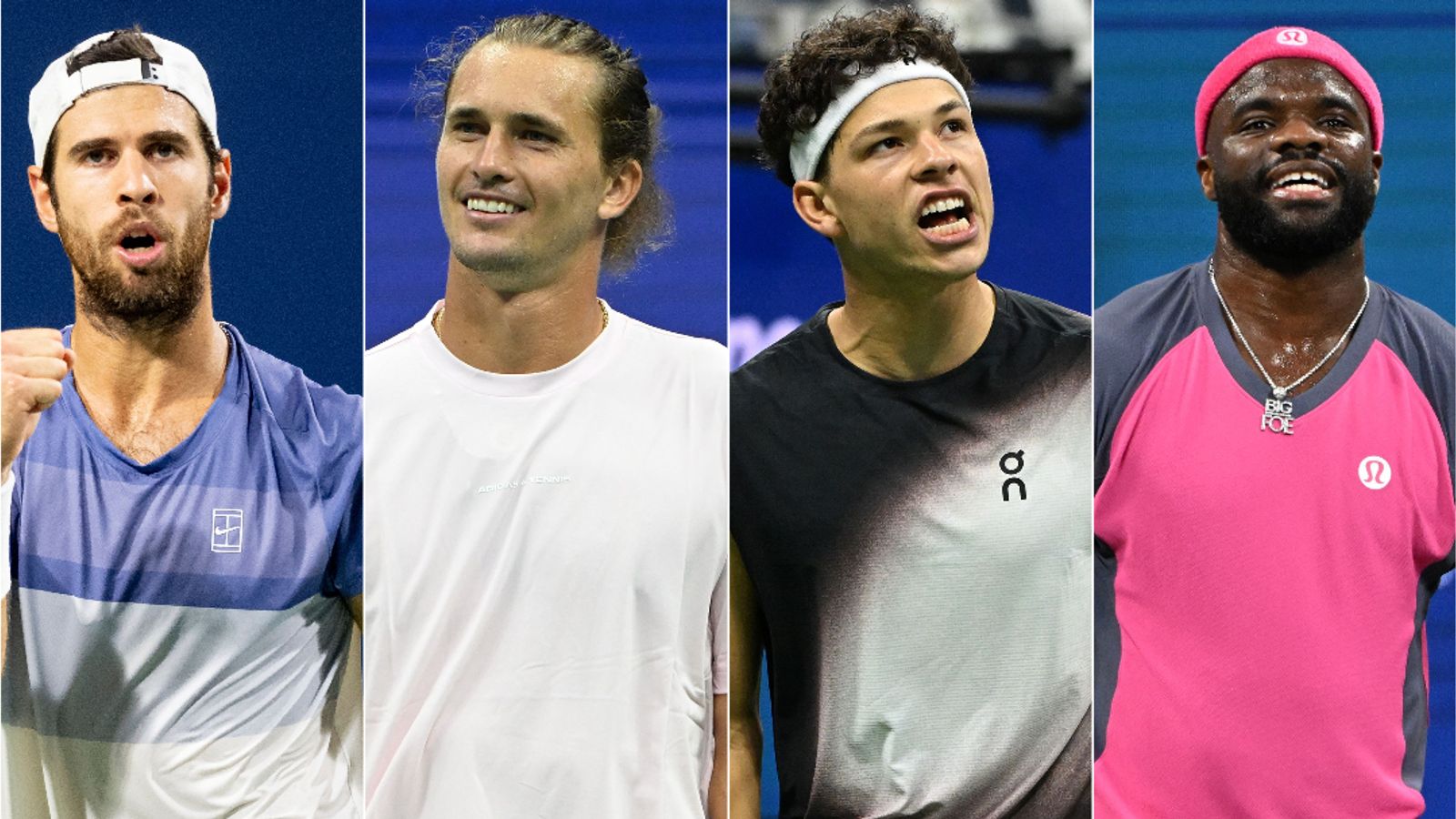
Zverev, at 29, brings a wealth of experience to the court. His record against his potential final opponents is statistically overwhelming; he maintains a perfect 5-0 record against Shelton and has only lost once in ten meetings with Tiafoe. However, the German star remains wary of the volatility of the sport. "I know it can change in a heartbeat in tennis," Zverev noted, reflecting on his post-Wimbledon slump and his subsequent resurgence at this event. His semifinal opponent, the unseeded Karen Khachanov, is a veteran of the tour who is currently seeking his first major final after previous semifinal appearances in New York (2022) and Melbourne (2023).
Tactical Analysis and Head-to-Head Records
The semifinal matches, scheduled for Friday, September 11, present distinct stylistic clashes. The Zverev-Khachanov match, starting at 3:00 p.m. local time, features two players from the 1990s generation who are intimately familiar with each other’s games. Zverev holds a 6-3 lead in their head-to-head series, a rivalry highlighted by the 2021 Tokyo Olympics final, where the German secured a gold medal in straight sets. While Khachanov has struggled with consistency throughout the 2026 season—evidenced by his early exits in hard-court warm-up events—his resurgence at this tournament suggests he has regained the form that once made him a top-ten fixture.
The prime-time match at 7:00 p.m. between Shelton and Tiafoe is expected to be a psychological chess match. Both players are well-acquainted with the pressures of the Arthur Ashe crowd. For Tiafoe, this is an opportunity to prove that his "new" self can overcome the emotional hurdles that previously stymied his progress in major tournaments. For Shelton, it is an opportunity to validate his rising star power with a maiden appearance in a Grand Slam final.
The Broader Implications for American Tennis
The significance of this semifinal cannot be overstated. Since the retirement of the early 2000s generation, the United States has struggled to produce a male champion who can consistently challenge the dominance of European titans. The prospect of having a home-grown finalist serves as a massive boost for the United States Tennis Association (USTA) and the sport’s domestic popularity.
The historical weight of the Shelton-Tiafoe match is equally profound. By ensuring a Black American man reaches the final, the tournament is highlighting a lineage of excellence that traces back to Arthur Ashe. The cultural impact of this, coupled with the potential for a first American champion in 23 years, provides a narrative hook that transcends the sport itself.
Tournament Logistics and Viewing Information
Both semifinal matches are slated for Arthur Ashe Stadium. Following the afternoon session featuring Zverev and Khachanov, the primetime showcase will pit the two American hopefuls against one another. The broadcast will be handled by Sky Sports Tennis, with comprehensive coverage available via the Sky Sports App and streaming services.
As the tournament moves toward its conclusion, the focus shifts to the physical toll of the event. With the tournament still in full swing, the remaining players must manage recovery, mental fatigue, and the unique atmospheric pressures of playing in New York. Zverev, having navigated a full season that included a deep run at Wimbledon and his French Open triumph, appears the most prepared for the physical grind, but as the 2026 US Open has repeatedly shown, the rankings often provide little comfort when the lights go down at Flushing Meadows.
Conclusion: The Road to the Title
As the dust settles on the quarterfinals, the 2026 US Open remains a wide-open contest. The absence of the traditional "Big Three" era stars has allowed for a new generation to stake their claim. Whether it is the established, battle-tested Zverev or the surging American duo, the tournament is poised to deliver a champion who will be tasked with carrying the mantle for the next cycle of professional tennis. The events of this coming Friday will not only determine who plays for the trophy on Sunday but will likely serve as a defining moment in the careers of all four remaining contenders. The history books are open, and as the players themselves have noted, the tournament is far from over.