If You Have A Box Of This Duncan Hines Cake Mix, Home Bakers Have the Exact Foundation for a Classic Southern Dessert

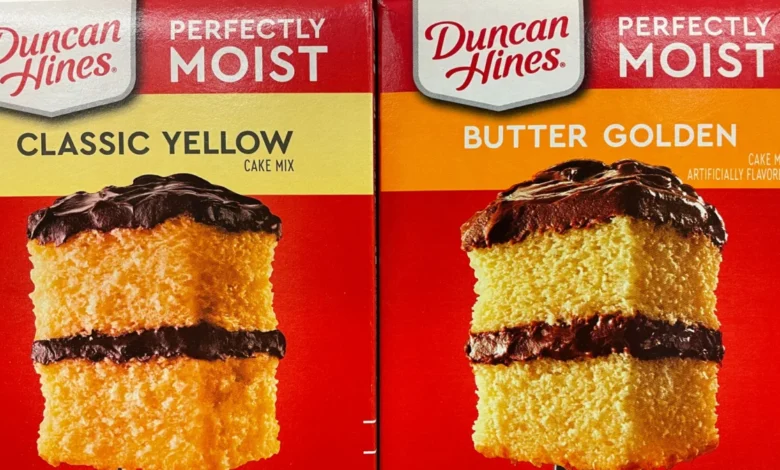
The enduring popularity of boxed cake mixes has long relied on convenience, but culinary history reveals that these commercial products frequently serve as springboards for more intricate, from-scratch-adjacent creations. Among the most enduring examples of this baking phenomenon is the classic Southern Sock-It-To-Me cake, a decadent dessert that traces its roots back to the cultural zeitgeist of the 1970s. While modern baking aisles are crowded with countless flavor innovations from rival brands such as Betty Crocker and Pillsbury, Duncan Hines remains a household staple. Notably, its Butter Golden cake mix occupies a unique place in American baking lore as the mandatory starting point for achieving the precise texture and flavor profile required for an authentic Sock-It-To-Me cake.
Main Facts: The Anatomy of a Vintage Classic
The Sock-It-To-Me cake is not merely a yellow cake with a catchy name; it is a meticulously engineered coffee cake characterized by an exceptionally moist, bouncy crumb, an aromatic cinnamon-pecan ribbon running through its center, and a sweet vanilla glaze finish. Transforming a standard box of Duncan Hines Butter Golden cake mix into this iconic Southern specialty requires a specific set of complementary ingredients: oil, sour cream, granulated sugar, whole eggs, brown sugar, ground cinnamon, and chopped pecans.
The inclusion of sour cream in the batter is a critical chemical component. The acidity in the sour cream interacts with the leavening agents in the cake mix, tenderizing the gluten strands and yielding a dense yet remarkably plush texture that resists the dryness often associated with commercial boxed mixes. When combined with a bundt pan—which ensures even heat distribution across the ring-shaped mold—the batter supports the weight of the rich, spiced nut filling without allowing it to sink entirely to the bottom of the pan.
Chronology and Cultural Origins of the Sock-It-To-Me Craze
The timeline of the Sock-It-To-Me cake is deeply intertwined with the evolution of American popular culture and corporate marketing strategies during the mid-20th century.
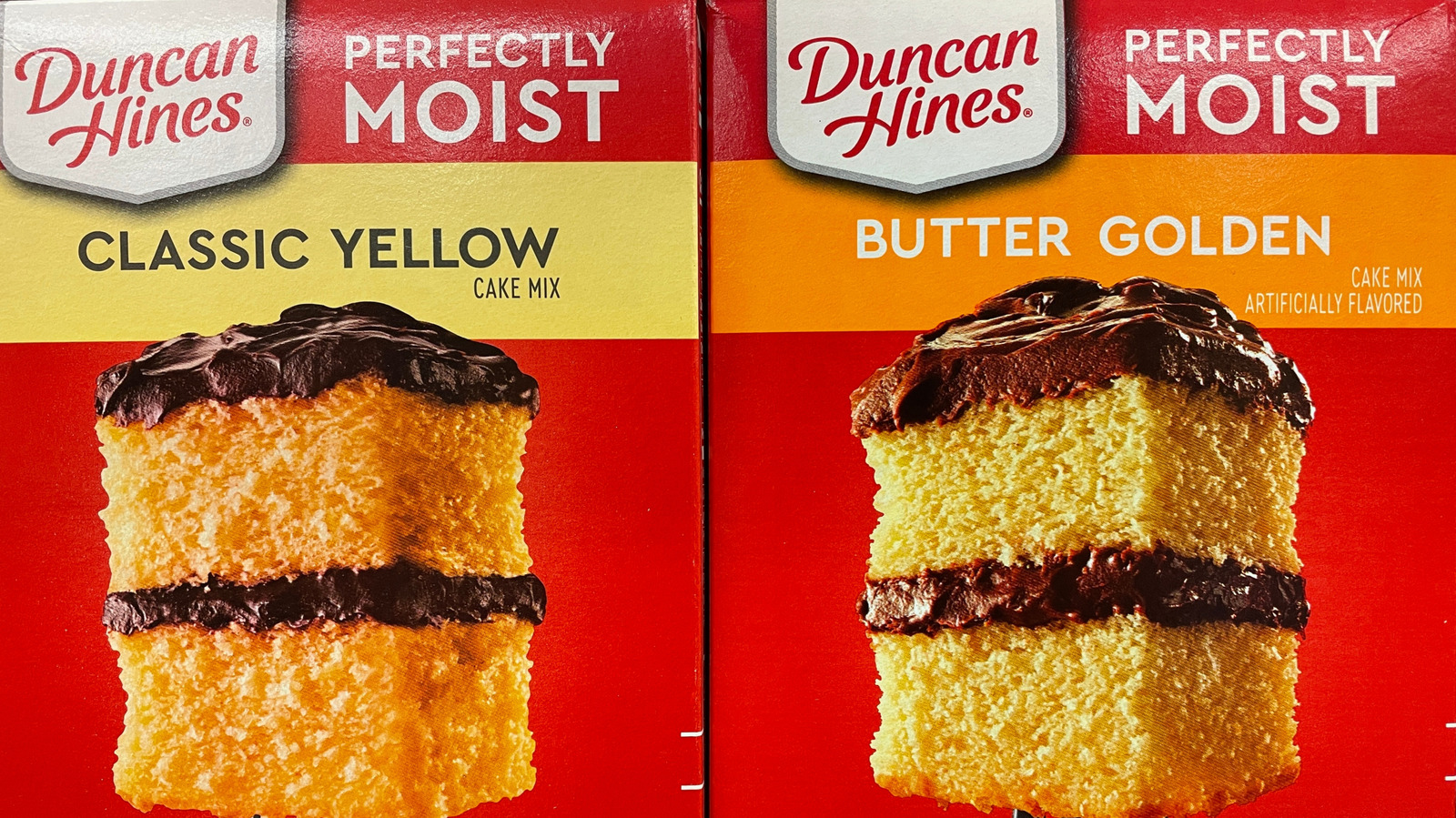
During the late 1960s and early 1970s, packaged food manufacturers realized that consumers desired both convenience and a measure of culinary creativity. Duncan Hines, brand-named after the legendary culinary pioneer and traveling hotel and restaurant evaluator Duncan Hines (whose corporate entity was acquired by Procter & Gamble in the 1950s), began printing creative recipes directly on the back of its cake mix boxes.
The phrase "Sock It To Me" itself gained massive national prominence through the trailblazing comedy television sketch show Rowan & Martin’s Laugh-In, which aired from 1968 to 1973. The phrase, often accompanied by comedic dousing with water or a pie to the face, became a ubiquitous pop-culture catchphrase, likely paying quiet homage to the cultural resonance of Aretha Franklin’s landmark 1967 recording of "Respect," which featured the famous backing vocal refrain.
Culinary historians note that the recipe for the Sock-It-To-Me cake was popularized during this exact window. A notable home baker and contestant on the first season of the Neighborhood Cook-Off or similar regional baking circuits—though widely attributed in baking lore to a legendary recipe contest submission—propelled the cake into the national consciousness. By printing the recipe directly on boxes of Butter Golden mix, Duncan Hines solidified the dessert’s status as a staple of American home baking. Although modern boxes no longer feature the vintage recipe due to space constraints and changing marketing priorities, the culinary blueprint remains firmly embedded in the collective memory of Southern cuisine.
Supporting Data and Consumer Trends in Boxed Baking
Market research into the baking aisle indicates a resilient and growing consumer interest in retro and vintage comfort foods, particularly as economic pressures and a renewed focus on home cooking drive interest in comforting, reliable recipes. According to recent independent evaluations by culinary publications such as Tasting Table, Duncan Hines Butter Golden and yellow cake mixes consistently rank at the top of blind taste tests for packaged mixes, frequently outperforming competitors in moisture retention, butter-forward flavor profiles, and crumb structure.
Statistical trends from consumer goods analysts show that sales of baking staples—including specialty flours, cake mixes, and bundt pans—saw a permanent baseline elevation following shifts in consumer habits over the past decade. Within this market, "doctoring" boxed cake mixes—the practice of adding fresh dairy, fats, and spices to commercial bases—has evolved from a clever shortcut into an accepted culinary art form practiced by both novice and professional bakers alike.
Modern Variations and Culinary Adaptations
While the traditional Sock-It-To-Me cake relies on a specific combination of cinnamon, brown sugar, and pecans, contemporary home bakers and pastry chefs have introduced numerous regional and seasonal variations to honor the vintage dessert while updating it for modern palates.
- Spice Profile Modifications: Bakers frequently augment the traditional cinnamon-and-brown-sugar ribbon by incorporating pumpkin spice blends, freshly grated nutmeg, ground ginger, or cloves during the autumn months.
- Nut and Seed Substitutions: For individuals with tree nut allergies or distinct flavor preferences, chopped almonds, toasted pistachios, macadamia nuts, or hazelnuts can replace the traditional pecans without compromising the structural integrity of the crumb-to-filling ratio.
- Dairy and Acid Adjustments: In instances where sour cream is unavailable, bakers successfully substitute full-fat Greek yogurt or buttermilk. Greek yogurt imparts a similarly rich moisture level and tangy flavor profile while introducing a modest increase in protein content to the batter.
- Alternative Topping Finishes: While a simple confectioner’s sugar and vanilla milk glaze remains the traditional choice, modern interpretations often feature a classic cream cheese frosting or a brushed butter and cinnamon-sugar crust reminiscent of an upscale coffee cake.
Broader Impact and Industry Implications
The enduring relevance of the Duncan Hines Butter Golden mix as a vehicle for the Sock-It-To-Me cake highlights a broader principle in the modern food industry: the symbiotic relationship between mass-manufactured convenience products and traditional regional culture. Rather than viewing boxed mixes as antithetical to scratch cooking, culinary anthropologists view them as modern canvases that democratize baking, allowing home cooks of varying skill levels to achieve consistent, high-quality results.
As vintage desserts experience a significant cultural renaissance across social media platforms and digital recipe archives, recipes like the Sock-It-To-Me cake bridge generational divides. They serve as a culinary bridge connecting the rapid commercialization of convenience foods in the 1970s with contemporary values of comfort, nostalgia, and accessible home economics. Ultimately, the survival of this classic Southern dessert underscores the fact that exceptional flavor, reliable chemistry, and a touch of cultural history will always secure a permanent place on the American dinner table.