The modern American grocery landscape has undergone a significant transformation over the past two decades, driven largely by consumer economic pressures and the continuous quality improvements of private-label merchandise. Walmart’s signature in-house brand, Great Value, has emerged as a central pillar of this evolution, capturing a substantial share of the consumer market. Initially perceived as a strictly budget-oriented alternative to name-brand goods, private labels have increasingly bridged the gap between affordability and culinary satisfaction. Among the vast catalog of dry goods, frozen items, and pantry staples offered by the retailer, the canned soup selection has consistently drawn consumer interest. Recent comparative evaluations of Great Value’s canned soup lineup have highlighted a surprising frontrunner: the Great Value Clam Chowder Soup, a product that challenges prevailing consumer skepticism surrounding canned seafood options while delivering exceptional value at an accessible price point.
Comparative Taste Evaluations and the Rise of Private-Label Quality
The methodology behind modern grocery product assessments typically involves blind or guided comparative tastings conducted by culinary professionals and food journalists. In a recent comprehensive evaluation of ten distinct canned soups from the Great Value catalog, various vegetable, poultry, and beef-based options were subjected to rigorous scrutiny regarding texture, flavor balance, ingredient integrity, and overall value. While traditional favorites such as chicken noodle and hearty vegetable options performed admirably, the New England-style clam chowder secured the highest overall ranking.
This outcome is particularly notable given the historical perception of canned clam chowder. Culinary purists, particularly those hailing from coastal New England, frequently dismiss shelf-stable iterations of the regional classic due to concerns over artificial preservatives, mealy potato textures, and an overly fishy or metallic aftertaste resulting from prolonged canning processes. However, advancements in food preservation, commercial canning technology, and sourcing practices have allowed manufacturers to produce shelf-stable soups that closely approximate the flavor profiles of scratch-made or refrigerated deli alternatives.
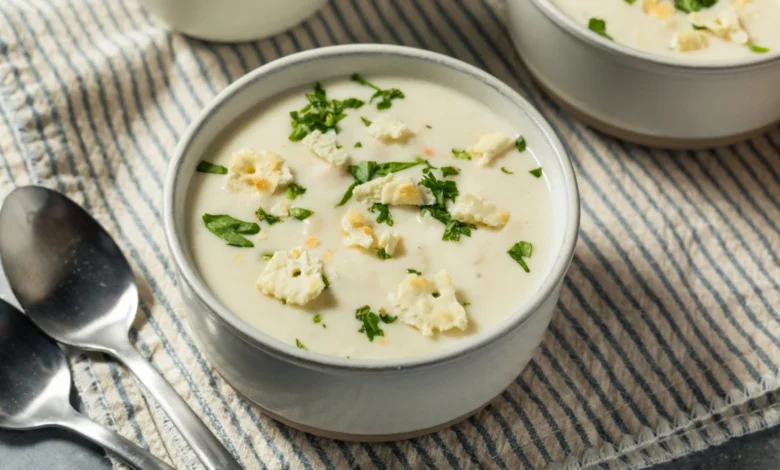
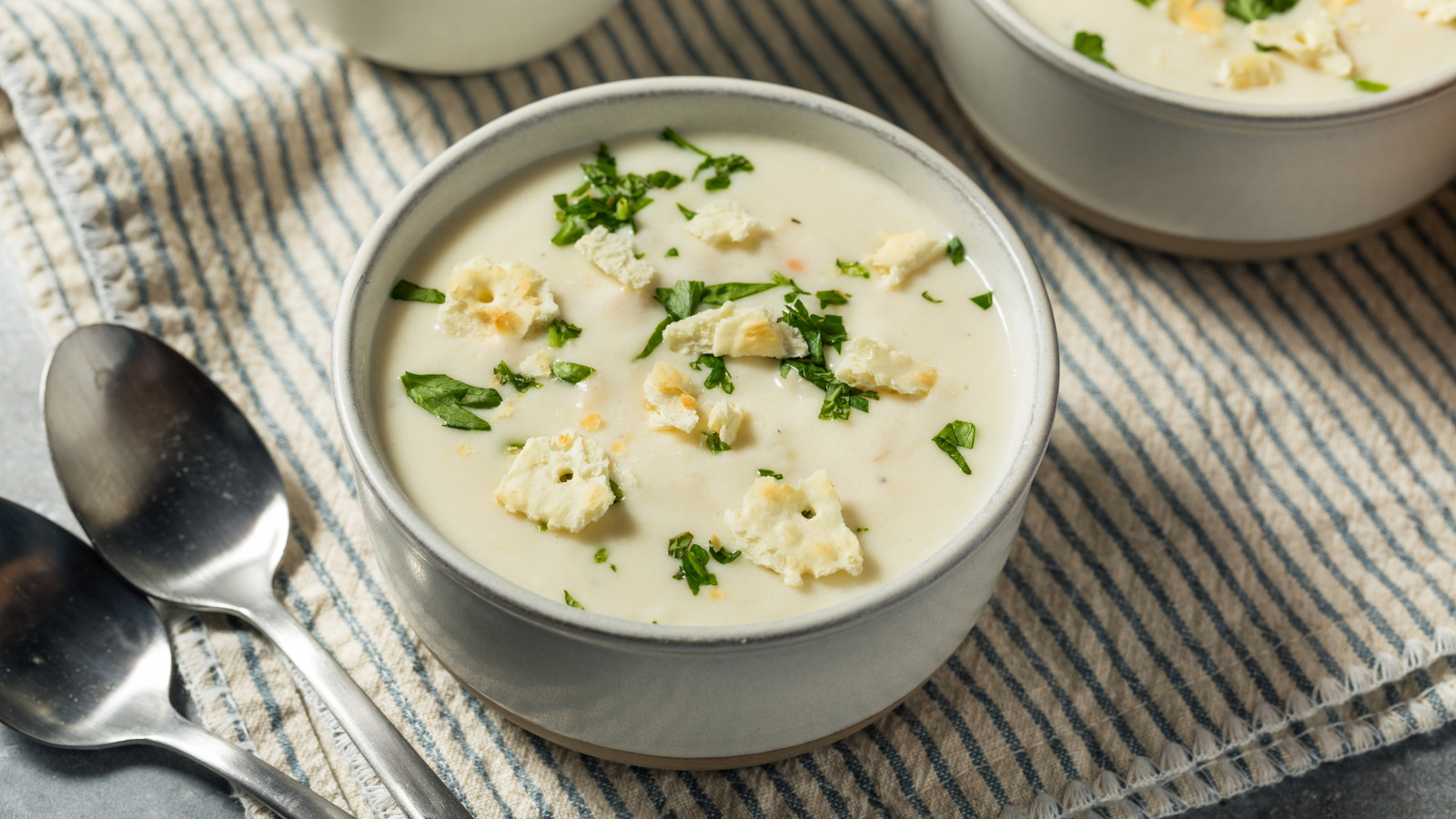
The top-ranking Great Value Clam Chowder distinguished itself through a carefully balanced profile. Testers noted an absence of harsh, synthetic seafood flavors, attributing the soup’s savory depth to a well-calibrated umami foundation derived from the clams. Furthermore, the structural integrity of the ingredients remained surprisingly intact; the soup featured generous chunks of potato that retained a tender-firm bite rather than dissolving into the broth, accompanied by visible, evenly distributed pieces of clam. Priced at $1.86 per can, the product offers a high protein-to-cost ratio and a substantial caloric density, making it an attractive option for budget-conscious households navigating persistent grocery inflation.
The Evolution and Economics of Store Brands
The success of private-label staples like Walmart’s Great Value line is not accidental; it is the result of sophisticated supply chain management and strategic partnerships with major food manufacturers. Historically, name-brand food corporations maintained strict separation between their proprietary goods and the generic alternatives found on lower shelves. Over time, however, excess manufacturing capacity and the sheer volume demanded by massive retail chains incentivized major brands to produce private-label equivalents using similar, if not identical, processing standards and ingredient sourcing networks.
This manufacturing overlap explains why many consumers find little to no discernible difference between premium-branded canned goods and their Great Value counterparts. As economic pressures led to fluctuating consumer purchasing power, retailers aggressively invested in improving the quality and safety profiles of their store brands. Consumer research data consistently indicates that private labels have moved past the stigma of being inferior substitutes. Today, they are viewed by shoppers as intelligent economic choices that do not require sacrificing flavor or nutritional substance.
Canned soups, in particular, occupy a unique segment of the pantry-staple market. They represent convenience, long-term storage viability, and immediate caloric sustenance. During economic downturns or periods of elevated food inflation, sales of shelf-stable soups historically experience an upward trajectory. Within this category, seafood-based soups traditionally carry a higher price point than standard tomato or broth varieties due to the cost of marine harvesting and specialized canning requirements. By offering a competitively priced clam chowder that successfully mirrors the sensory expectations of a cream-based soup, Walmart has captured a demographic of seafood lovers who seek comfort food without the financial commitment of fresh ingredients or restaurant dining.
Culinary Customization and Optimization Strategies
While pre-made canned soups provide undeniable convenience, culinary experts frequently emphasize that shelf-stable items can easily serve as a base for elevated home cooking. Canned clam chowder, characterized by its relatively neutral dairy and clam broth base, functions as an accommodating culinary canvas. Home cooks looking to elevate the Great Value product can employ a variety of enhancement techniques ranging from simple finishing garnishes to complex flavor modifications.
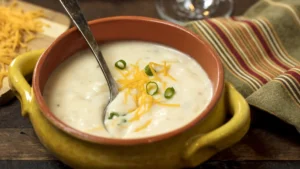
Garnishes play a dual role in culinary presentation and flavor enhancement. Introducing fresh, finely chopped herbs—such as thyme, chives, tarragon, or dill—adds a vibrant visual contrast to the monochromatic white base of the chowder while imparting subtle aromatic oils that cut through the richness of the cream. Traditional seasonings like cracked black pepper, smoked paprika, or a pinch of cayenne pepper introduce warmth and color complexity. For textural contrast, traditional oyster crackers remain a staple, though modern home cooks increasingly turn to crispy crumbled bacon or pancetta. These cured pork products introduce a smoky, savory depth and a satisfying crunch that complements the briny notes of the clams.
Beyond surface-level additions, altering the fundamental flavor balance of the soup can yield restaurant-quality results. Culinary professionals often suggest introducing a small amount of acidity—such as freshly squeezed lemon juice or a splash of white wine vinegar—just prior to serving. Acid brightens the heavy dairy elements, preventing palate fatigue during consumption. Additionally, for those seeking to amplify the marine profile, minute quantities of fish sauce or Worcestershire sauce can enhance the existing umami compounds. However, caution is advised, as these concentrated liquids can easily overpower the delicate balance of the chowder if overused.
Broader Implications for the Retail and Food Industry
The sustained popularity of budget-friendly comfort foods points to broader behavioral trends among modern consumers. As dining out becomes increasingly expensive, households are reallocating their food budgets toward grocery-store investments that offer both comfort and efficiency. Products that bridge the gap between premium taste and economic accessibility are uniquely positioned to thrive in the current retail climate.
Walmart’s ongoing refinement of the Great Value brand underscores a broader industry shift where discount retail is no longer synonymous with compromised quality. By continually auditing and reformulating pantry staples, major retailers are effectively building long-term brand loyalty based on reliability and taste rather than mere cost-cutting. As consumer palates become more discerning, even the most humble pantry items—such as a sub-two-dollar can of clam chowder—must meet rigorous standards of flavor, texture, and value. The success of this specific product illustrates
that when affordability aligns with culinary satisfaction, private-label goods can successfully rival, and occasionally surpass, their legacy brand competitors.