Holafly Plans Review: A Global eSIM Subscription for Long-Term Travelers and Digital Nomads

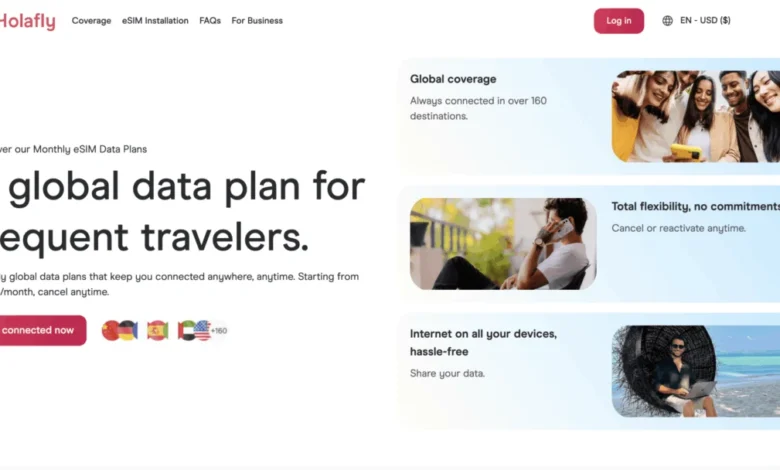
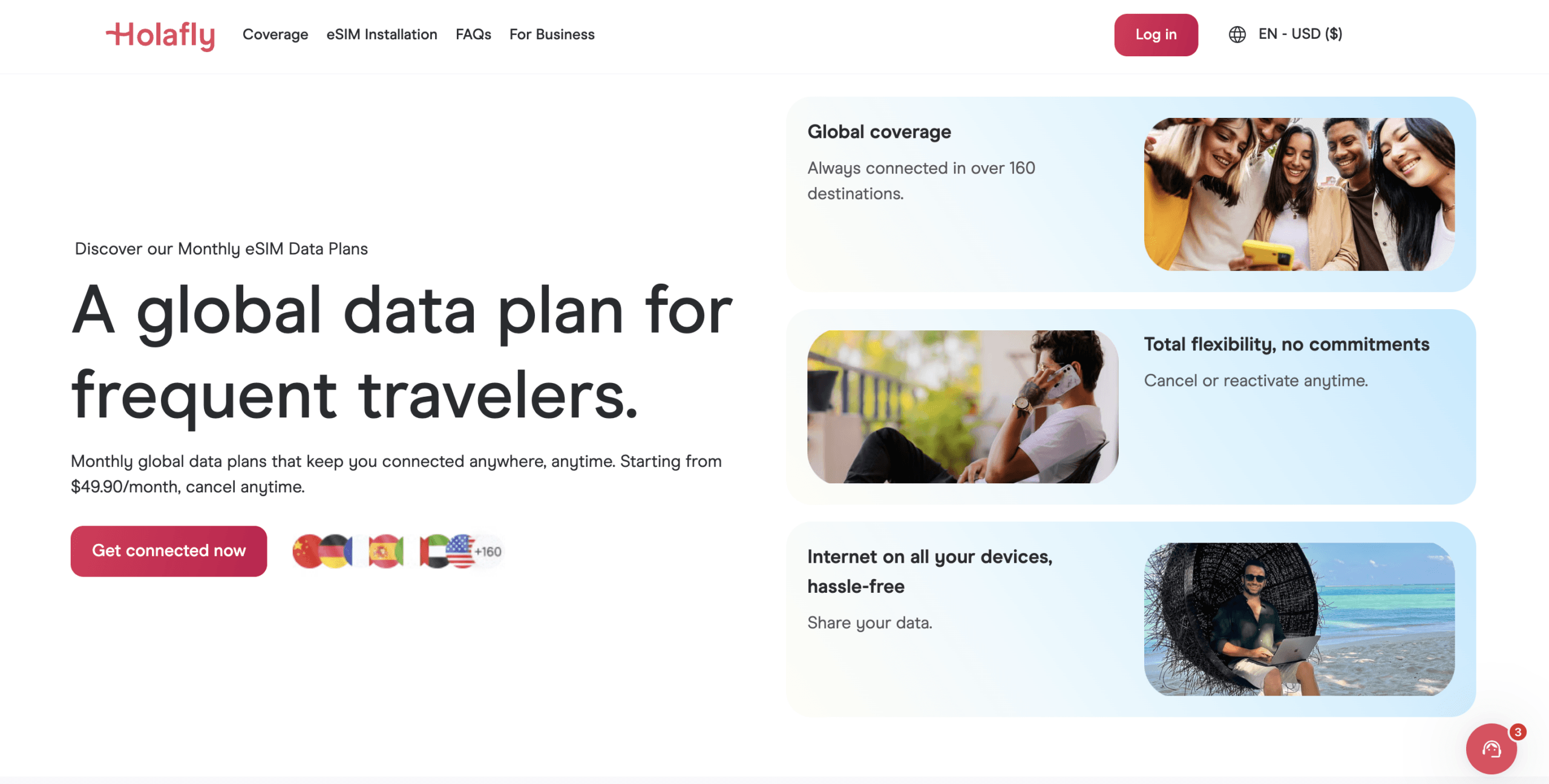
The landscape of international telecommunications is undergoing a significant structural shift as travel technology adapts to the lifestyle of an increasingly mobile global workforce. eSIM technology, which replaces physical plastic SIM cards with embedded software programmable directly into smartphone hardware, has largely streamlined how short-term tourists access cellular networks abroad. However, digital nomads, frequent cross-border commuters, and long-term travelers have historically faced friction when managing connectivity across multiple jurisdictions. Addressing this market gap, international connectivity provider Holafly has introduced "Holafly Plans," a continuous subscription-based global eSIM service designed to maintain uninterrupted data access across more than 160 destinations under a single digital profile.
Background Context and Evolution of eSIM Technology
To understand the significance of a subscription-based global eSIM, it is necessary to examine the evolution of mobile device architecture. For decades, international travelers relied on physical subscriber identity module (SIM) cards purchased upon arrival at foreign airports or through localized international roaming packages provided by domestic carriers. These conventional methods often involved exorbitant roaming fees, tedious physical card swaps, and the risk of losing home-country nano-SIM cards.
The introduction of embedded SIM (eSIM) technology eliminated the need for physical hardware intervention. By downloading a profile via a QR code or an application, users could instantly provision carrier profiles onto their devices. While traditional eSIM companies revolutionized short-term travel by offering localized data packages ranging from 7 to 30 days, they maintained a transactional model. Travelers visiting multiple countries in rapid succession were required to purchase discrete packages for each destination, continually downloading new configurations and tracking expiration dates. Holafly Plans represents the next logical evolution in this sector: transitioning from transactional, country-specific purchases to an integrated, borderless subscription model that mimics traditional domestic carrier services on a global scale.
Core Architecture and Features of Holafly Plans
Holafly Plans operates as an ongoing subscription service available in monthly, quarterly, and annual billing cycles. Upon initial installation, the single digital profile remains active indefinitely across a network spanning over 160 countries, automatically reconnecting to local partner networks upon arrival in a new territory without requiring manual reconfiguration by the user.

The service is divided into two primary tiers—Light and Unlimited—alongside a specialized comprehensive tier known as the Ultra Plan.
The Light Plan offers 25 gigabytes of high-speed data per month, maintains hotspot capabilities for tethering secondary devices such as laptops, and provides coverage across the full roster of 160-plus destinations. This tier is marketed primarily toward casual travelers and remote workers whose primary data consumption involves navigation, messaging, and web browsing.
The Unlimited Plan removes data caps entirely, providing unthrottled high-speed connectivity alongside unrestricted mobile hotspot usage. This feature set directly targets digital nomads, content creators, and remote professionals who require continuous, high-bandwidth access for video conferencing, large file transfers, and media streaming. Furthermore, the Unlimited tier includes a localized telephone number originating from the United States, the United Kingdom, or Canada, enabling users to receive SMS messages—a critical requirement for two-factor authentication and banking security while abroad.
Both standard tiers feature Holafly’s proprietary "Always On" protocol, which automatically provisions one gigabyte of backup data every month for life, remaining functional even if the user temporarily suspends or cancels their primary subscription.
Comparative Market Analysis: Global Subscriptions vs. Traditional Roaming
The introduction of unified global eSIM subscriptions places direct competitive pressure on traditional telecommunications operators and conventional prepaid travel eSIM providers. Historically, subscribers originating from North America or Europe faced prohibitive costs when attempting to maintain connectivity abroad through domestic carriers. Major domestic networks typically charge daily roaming fees ranging from $10 to $12 per day, which can rapidly accumulate to $300 or more per month—often with throttled data speeds after a minimal daily threshold is reached.
Conversely, regional prepaid SIM cards or standard one-off eSIMs require recurring administrative effort. Users must monitor data depletion, purchase new regional packages, and navigate potential connectivity drops during border transits.
Financially, Holafly Plans undercuts traditional major carrier international roaming passes substantially. While standard pricing varies depending on currency and billing duration, the Unlimited tier averages approximately $55 to $65 per month when factoring in quarterly or annual commitments, representing discounts of roughly 10% for quarterly plans and up to 15% to 20% for annual commitments. When measured against domestic carrier roaming fees or the cumulative cost of purchasing individual monthly eSIMs across multiple countries, the subscription model presents a predictable operational expense for long-term travelers.
The Ultra Plan and Value-Added Services
Expanding upon its core connectivity offerings, Holafly recently launched the Ultra Plan, an integrated tier that bundles global unlimited data, international hotspot capabilities, and a native phone number with supplementary travel-related assistance benefits.
Priced higher than the standard Unlimited tier—averaging between $73 and $90 per month depending on the billing cycle—the Ultra Plan incorporates structural consumer protections and convenience services, such as compensation structures for delayed or lost baggage, alongside digital access to non-emergency telehealth, psychological support, and nutritional counseling consultations.
Industry analysts note that while the Ultra Plan does not replace comprehensive, high-coverage medical travel insurance—which remains essential for hospitalization, emergency evacuation, and significant property theft—it provides an operational safety net for minor, frequently encountered logistical disruptions inherent to long-term global mobility.
Subscription Mechanics and Technical Implementation
Activating a Holafly Plan follows a streamlined digital onboarding process. Users select their preferred tier and billing cycle via the platform’s interface, complete the transaction, and receive a digital installation profile. By scanning the provided QR code or executing the setup through the dedicated mobile application, the eSIM profile is integrated into the smartphone’s operating system.
Management of the subscription, including tier evaluation and billing modifications, is handled centrally through the application interface. To mitigate consumer hesitation regarding digital telecommunications infrastructure, the company backs its subscription services with a structured refund policy and maintains round-the-clock customer support to resolve potential provisioning or network-handshake errors encountered across foreign telecom infrastructures.
Target Demographics and Market Implications
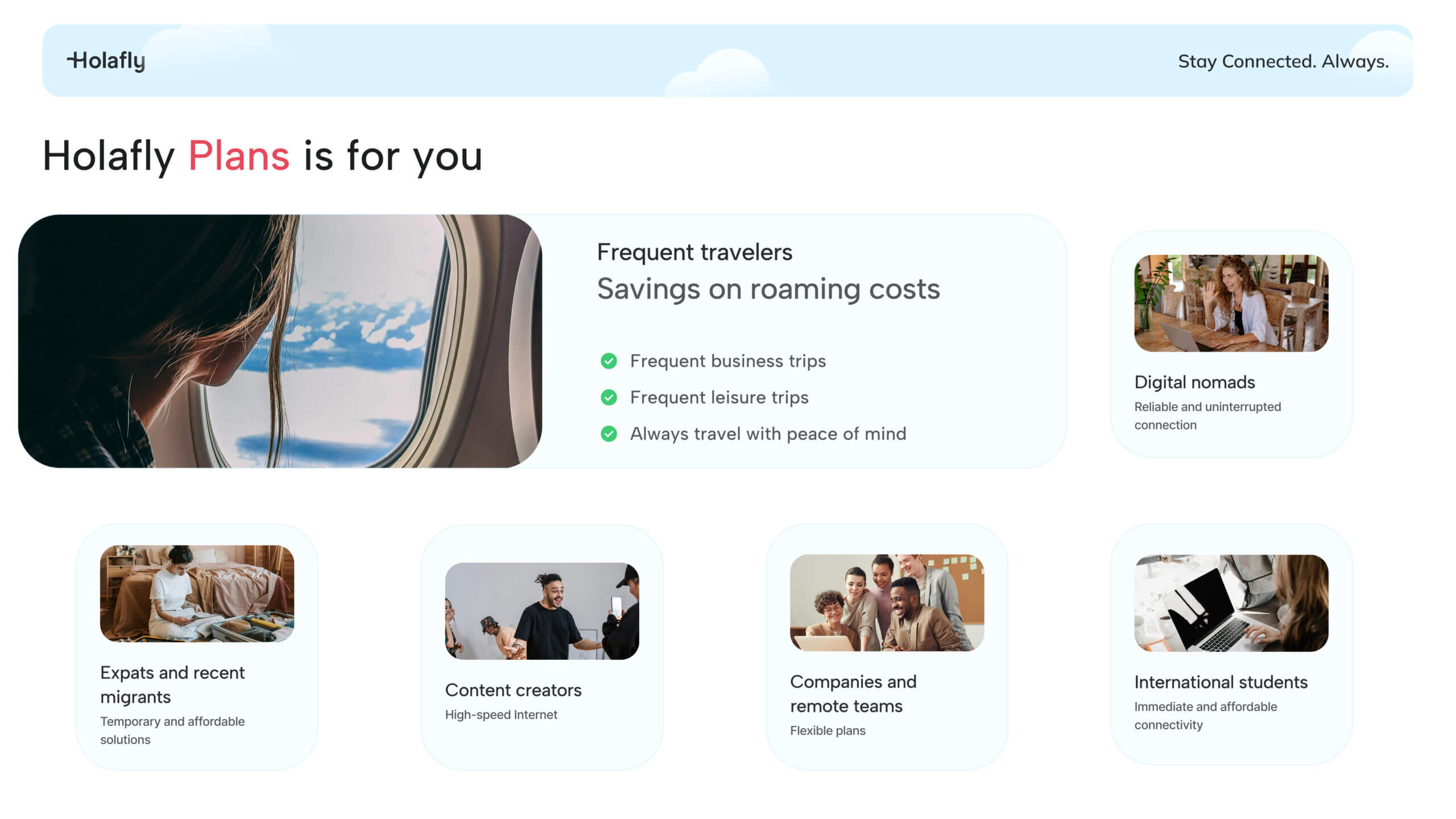
The primary demographic beneficiaries of global subscription eSIMs are digital nomads, long-term expatriates, international consultants, and frequent multi-destination travelers who spend significant portions of the calendar year outside their home countries. For a standard tourist embarking on a single two-week vacation, traditional single-destination eSIMs remain the more cost-effective and pragmatic choice. However, for individuals whose itineraries cross multiple international borders within a single billing cycle, the elimination of administrative friction represents a notable efficiency gain.
The broader implications of products like Holafly Plans point toward an ongoing commoditization of cellular connectivity. As software-defined networking architectures continue to mature, the traditional reliance on physical carrier monopolies for international travel is progressively eroding. Subscription-based global telecommunications models are poised to capture an increasingly large share of the remote work and extended travel market, compelling both legacy mobile network operators and localized eSIM competitors to reevaluate pricing strategies and service delivery frameworks to remain competitive in a borderless digital economy.