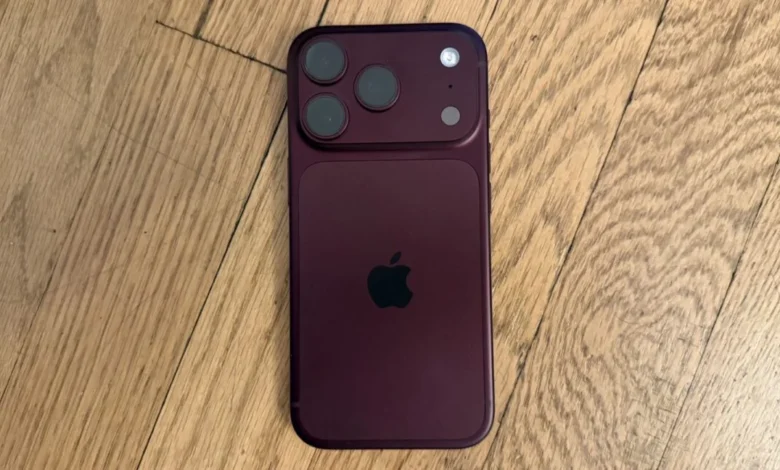
Apple has officially unveiled the iPhone 18 Pro, a device that arrives at the tail end of the Tim Cook era with a focus on refined thermal management, internal component efficiency, and iterative photographic upgrades. While the design language remains largely consistent with its predecessor, the iPhone 18 Pro signals a strategic shift for Apple’s "Pro" line, positioning it as a high-performance utility tool for power users rather than a vessel for radical aesthetic experimentation. This transition reflects a broader trend in the smartphone industry, where hardware maturity has slowed the pace of year-over-year innovation in favor of long-term reliability and specialized feature sets.
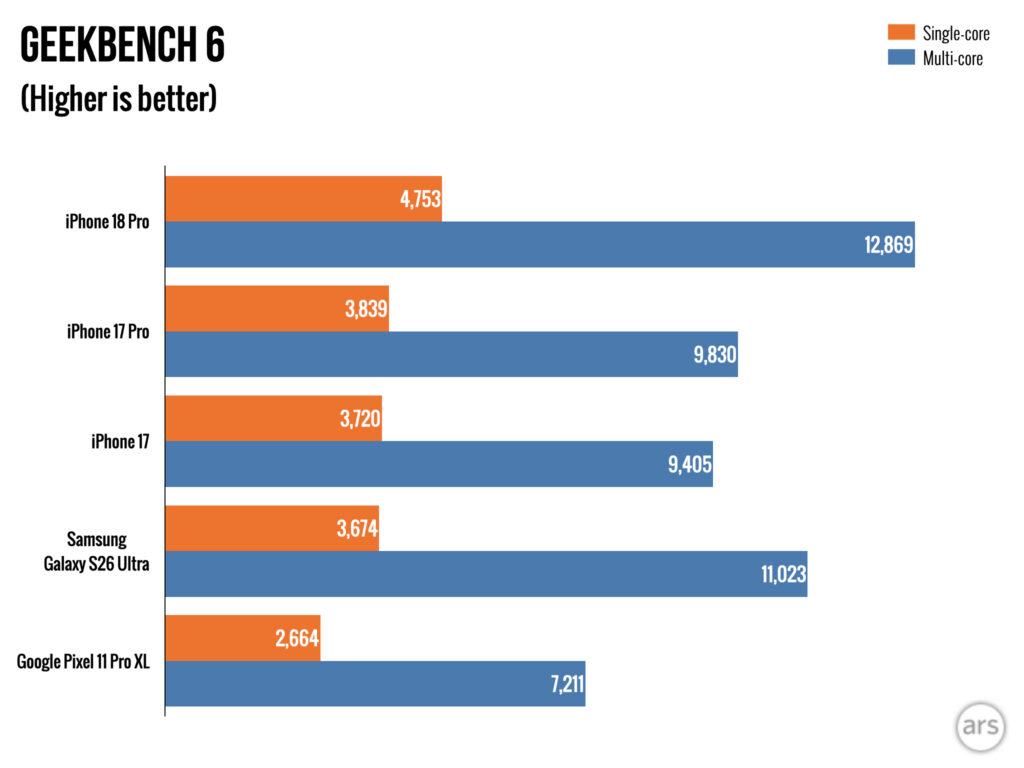
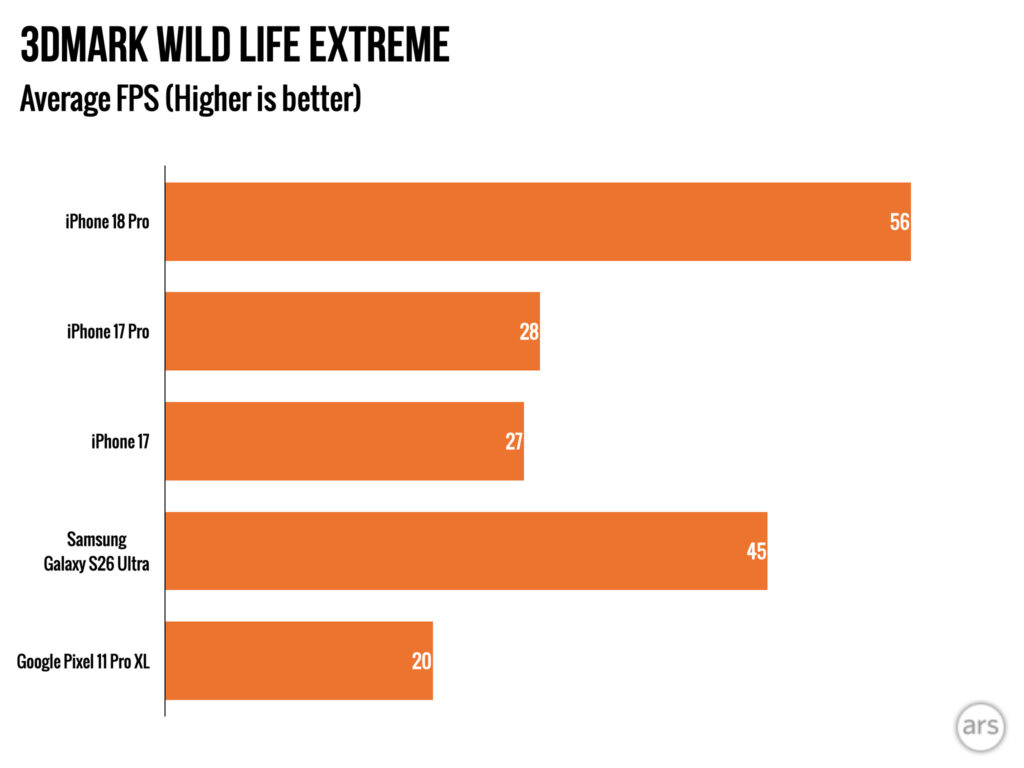
The iPhone 18 Pro is powered by the A20 Pro chip, manufactured on a cutting-edge 2-nanometer process node. This architectural advancement serves as the foundation for the device’s primary value proposition: a significant improvement in sustained performance and heat dissipation. By migrating from the 3nm process used in the A19 Pro, Apple has sought to resolve thermal throttling issues that have periodically impacted the user experience during intensive tasks like high-fidelity gaming or extended GPS navigation.
The Shift in Hardware Philosophy
Historically, the Pro lineup served as the primary showcase for Apple’s most aggressive design shifts. However, recent product cycles suggest a realignment. The introduction of the iPhone Air last year and the anticipated launch of the iPhone Duo indicate that Apple is funneling its more experimental design ambitions into new, distinct product categories. The Pro series has consequently settled into a role as the "workhorse" of the ecosystem—a device designed to integrate every available feature into a familiar, high-quality form factor.
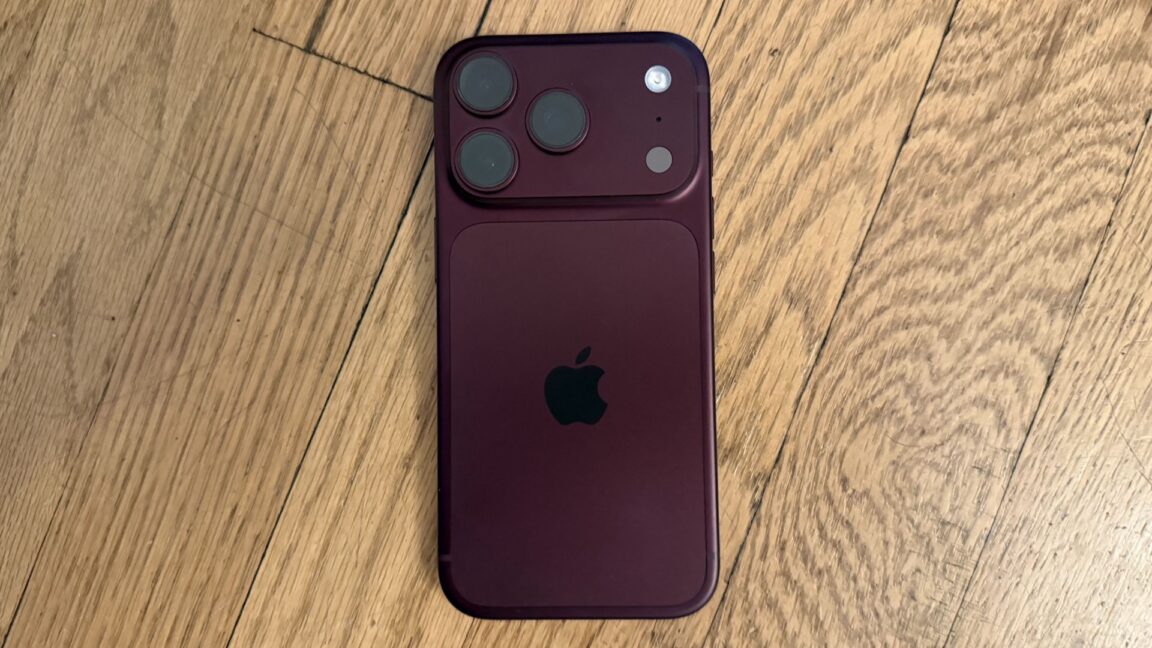
This strategy is evident in the subtle refinement of the Dynamic Island. By migrating the infrared camera beneath the OLED display in the top-left corner, Apple has effectively reduced the footprint of the sensor array. This engineering feat, achieved through a specialized pixel arrangement that permits infrared light transmission while doubling brightness to maintain display consistency, allows the Dynamic Island to accommodate up to three live activities simultaneously. While this is an incremental improvement, it highlights the company’s commitment to optimizing existing UI paradigms rather than abandoning them.
Performance and Thermal Architecture
The technical specifications of the A20 Pro chip reflect a prioritization of artificial intelligence workloads and sustained graphical output. The chip features a 6-core CPU configuration and a 7-core GPU, the latter of which is integrated with a dedicated Neural Accelerator. This enhancement is specifically designed to handle GPU-intensive AI tasks, a cornerstone of the current iOS 27 experience.
Furthermore, Apple has introduced a 50 percent increase in memory bandwidth. Industry analysts suggest this is a proactive measure to ensure the hardware can support future, more demanding AI models that may eventually become exclusive to the 2nm architecture. This move underscores the reality that modern smartphone longevity is increasingly defined by NPU (Neural Processing Unit) capabilities rather than raw clock speed alone.
Perhaps the most significant advancement, however, is the redesigned cooling system. The iPhone 18 Pro features a larger vapor chamber and a refined internal layout that separates the system-on-a-chip from the memory modules. By moving away from a stacked design, Apple has achieved a reported 40 percent increase in sustained performance compared to the iPhone 17 Pro. For the end user, this translates to a device that remains significantly cooler during prolonged use, mitigating the risk of thermal-related feature shutdowns—a common grievance among professional users and power-hungry mobile gamers.
Evolution of Mobile Photography
Photography remains a primary driver of the Pro lineup’s market appeal. While the hardware specs of the triple-48 MP rear camera system largely mirror those of the previous generation, the software and control mechanisms have undergone a significant evolution. The introduction of a variable aperture system allows for greater depth-of-field control, a feature long requested by photography enthusiasts who previously felt restricted by Apple’s rigid computational photography processing.
The release of Photographic Styles 3 represents a further departure from the "opinionated" camera software of the past. By introducing texture-based presets—specifically "film," "glow," and "soft skin"—Apple is acknowledging a growing consumer demand for personalized aesthetic control. These tools allow users to modify the underlying texture of their images without the destructive nature of traditional social media filters, effectively bridging the gap between automated computational photography and professional-grade editing.
Battery Life and Connectivity
Battery performance continues to be a metric of incremental but meaningful progress. The iPhone 18 Pro boasts up to 36 hours of offline video playback, a notable increase over the 33 hours offered by the iPhone 17 Pro. This improvement is attributed to a combination of the more efficient 2nm A20 Pro chip and the integration of Apple’s proprietary C2 cellular modem. The C2 modem consumes less power than the previous-generation Qualcomm hardware, contributing to a more efficient overall energy profile. Additionally, the inclusion of 25W wireless charging support ensures that the device keeps pace with the increasing convenience of high-speed wireless power delivery.
Market Implications and Consumer Strategy
From a broader economic perspective, the iPhone 18 Pro illustrates the current state of the global smartphone market: a move toward stability and long-term value. With the average replacement cycle for premium smartphones now extending beyond three years, manufacturers are less focused on "must-have" features that trigger immediate upgrades and more focused on durability and ecosystem integration.
The pricing strategy for the 18 Pro, which remains at the higher end of the flagship spectrum, reflects both the high cost of 2nm manufacturing and the brand equity of the Apple name. While there is little incentive for an iPhone 17 Pro user to upgrade, the cumulative impact of these refinements makes the 18 Pro a compelling option for those holding onto devices from the 14 or 15 series.
The conclusion to be drawn from this year’s release is that the "Pro" moniker has transitioned from a label for "early adopters" to one for "consistent users." The device is designed for those who require a reliable, high-performance tool that bridges the gap between consumer electronics and professional utility.
Looking forward, the tech industry will likely view the iPhone 18 Pro as a benchmark for the limitations of the classic glass-and-metal slab form factor. With the rise of foldable technology and AR-integrated wearables, the traditional smartphone is entering a phase of "directional perfection." The core functionality of the device—communication, high-fidelity capture, and mobile computing—has reached a level of maturity where radical annual changes are no longer necessary, nor perhaps even desirable, for the average consumer.

In summary, the iPhone 18 Pro succeeds by refining the basics. Its improved thermals and battery life are not headline-grabbing features, but they are exactly the type of engineering improvements that improve the quality of daily life for the end user. As Apple prepares for its next era of leadership, the iPhone 18 Pro stands as a testament to the company’s ability to refine, optimize, and maintain a high-quality product cycle, even in a market that has largely moved past the era of explosive, revolutionary hardware shifts. Whether the consumer chooses to upgrade remains a personal financial decision, but for those who do, the device represents the current apex of Apple’s long-standing design and engineering philosophy.