Massachusetts Expands Taxpayer-Funded Postpartum Home Visit Program Amid National Debate Over Government Role in Family Health Care

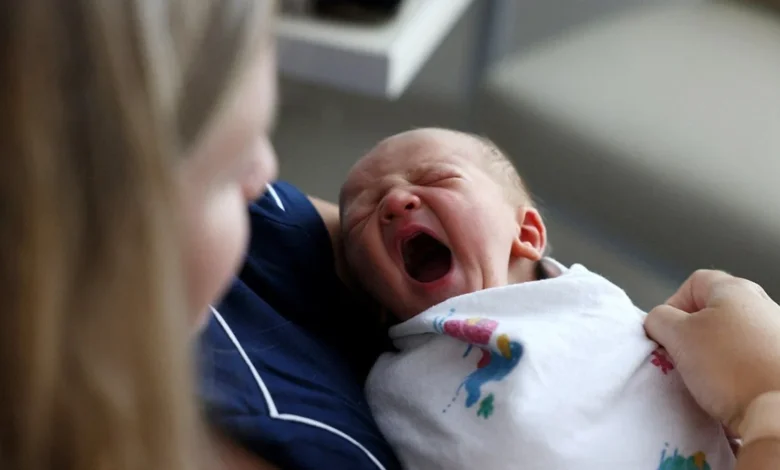
Massachusetts is significantly expanding a state-funded initiative designed to dispatch registered nurses directly into the residences of new parents following childbirth, a policy move that has intensified an ongoing philosophical debate regarding the boundaries of governmental involvement in private family life and domestic health care.
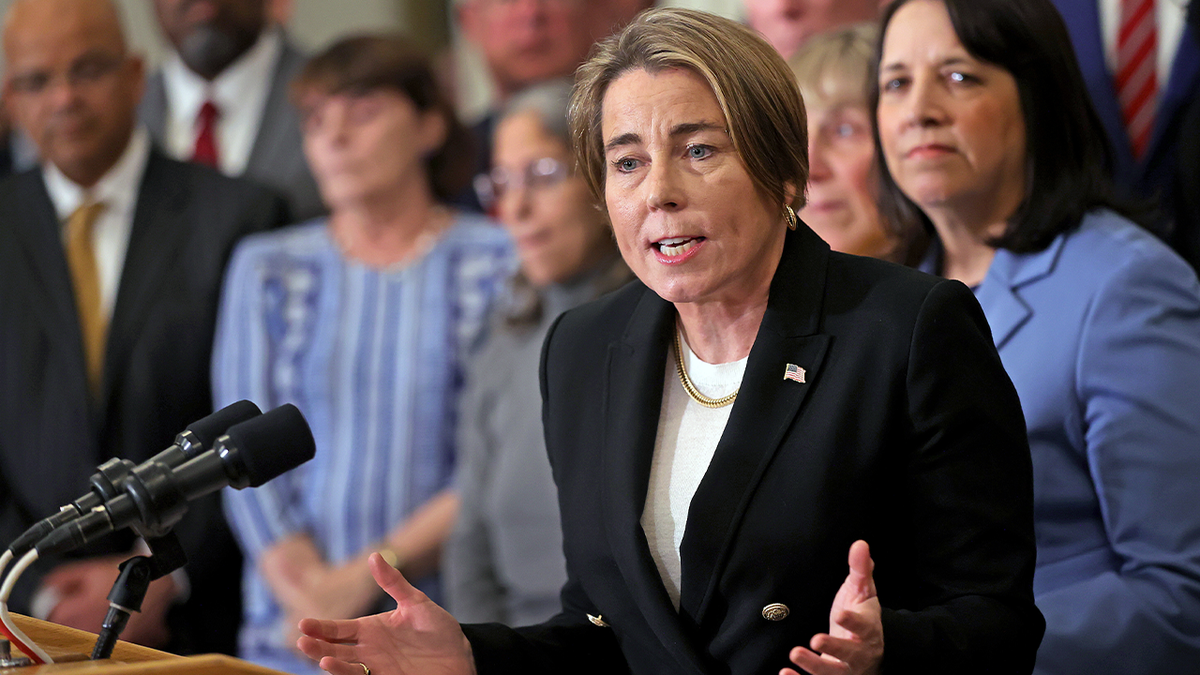
Governor Maura Healey recently announced a strategic financial commitment of $2 million aimed at broadening the reach of the state’s established Welcome Family program. This initiative offers voluntary, professional home visits from licensed registered nurses to families shortly after the arrival of a newborn. In tandem with this expansion, Governor Healey has proposed an additional $250,000 allocation dedicated to reinforcing the Massachusetts Child Psychiatry Access Program for Moms. This specialized support system is engineered to furnish immediate psychiatric and psychological resources to medical practitioners who care for pregnant and postpartum patients across the commonwealth.
The dual announcements underscore a growing legislative and executive focus on maternal health and postpartum psychiatric care. However, the rollout of these expanded services has concurrently ignited public controversy, splitting opinion between advocates who view the proactive measures as a critical public health intervention and critics who decry the initiative as an unwarranted intrusion into the private domain of the American family.
The Mechanics and Scope of the Welcome Family Initiative
The Welcome Family program is structured to provide a proactive, supportive touchpoint for families navigating the often overwhelming transition into parenthood. According to state health guidelines, the program coordinates voluntary home visits conducted by registered nurses within the initial days and weeks following childbirth. During these visits, medical professionals perform essential health assessments on both the newborn and the mother, offer guidance on infant care, lactation, and sleep safety, and screen for early indicators of postpartum mood and anxiety disorders.
Governor Healey highlighted the universal nature of the outreach during a recent interview on Boston Public Radio. "Everybody in the state, when you have a baby, you’re going to have a home visit within days, weeks and that will be an opportunity for a healthcare provider to make an assessment to see if you need some additional support and resources," Healey stated.
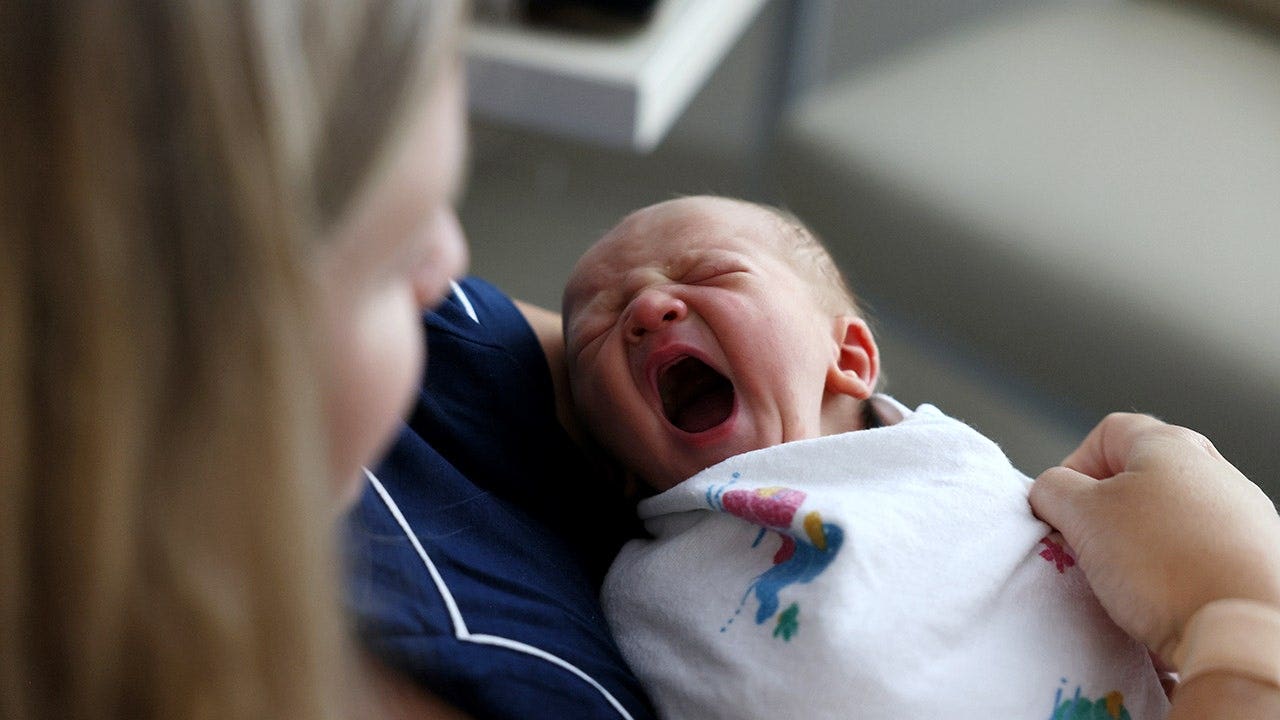
Proponents of the program emphasize that these home visits bridge a critical gap in the American healthcare continuum. While traditional pediatric and obstetric care typically relies on the patient scheduling and traveling to an office appointment—often within weeks or months of delivery—home-visiting models bring clinical expertise directly to the household. This direct access allows nurses to observe environmental risk factors, evaluate family dynamics, and identify maternal distress or depression that might otherwise go unnoticed during brief clinical encounters.
The supplementary funding earmarked for the Massachusetts Child Psychiatry Access Program for Moms further addresses systemic hurdles by equipping frontline physicians, midwives, and nurses with rapid-access telephonic and consultative support from perinatal psychiatrists. State officials argue that training healthcare providers to recognize subtle manifestations of postpartum mental health issues is a vital step toward preventing severe psychological crises.
The Shadow of the Lindsay Clancy Trial and Postpartum Mental Health Awareness
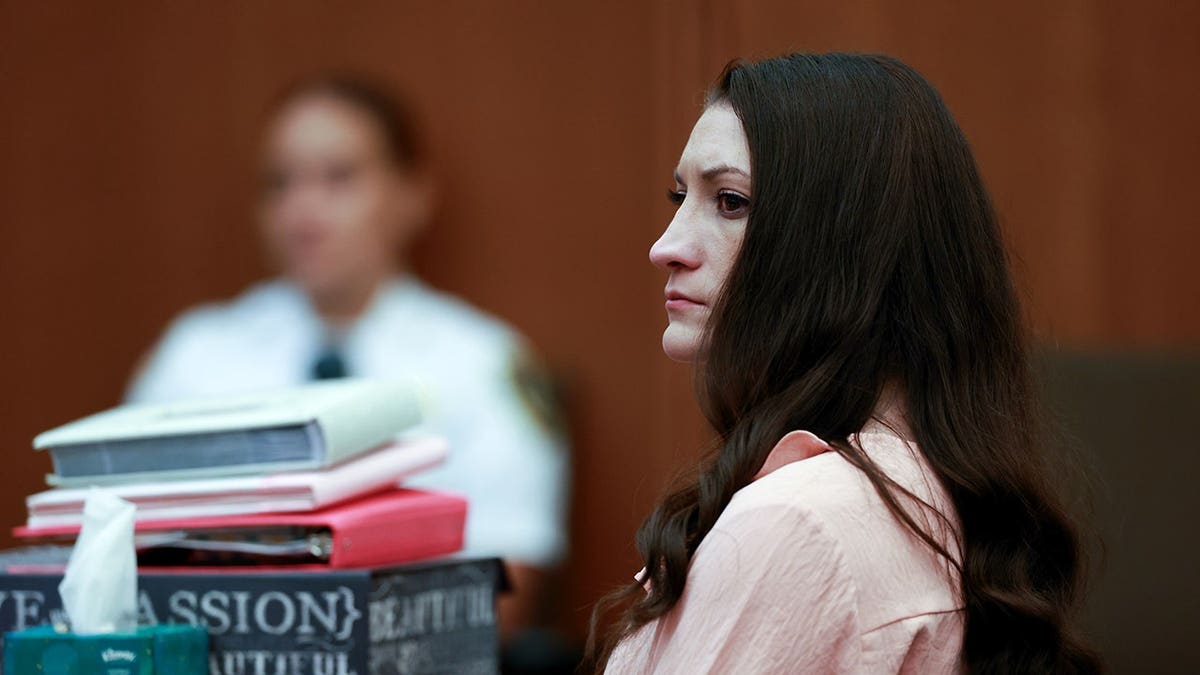
The heightened sensitivity surrounding maternal mental health in Massachusetts cannot be separated from the high-profile legal proceedings involving Lindsay Clancy. Clancy, a former labor and delivery nurse from Duxbury, Massachusetts, was thrust into the national spotlight following the tragic deaths of her three young children in January 2023.
The subsequent criminal trial captivated public attention and exposed the devastating potential consequences of unaddressed or severe postpartum psychiatric illness. Throughout the legal proceedings, Clancy’s defense team argued that she was suffering from profound postpartum psychosis—a rare, severe medical emergency characterized by hallucinations, delusions, and severe mood disturbances—at the time of the tragedy. Family members and legal representatives presented evidence indicating that Clancy and her support network had expressed deep concerns regarding her rapidly deteriorating mental health in the months and weeks leading up to the incident.
The trial ultimately ended in a mistrial after a Plymouth Superior Court jury deadlocked, leaving deep legal and societal questions unresolved. However, the intense media scrutiny and public discourse generated by the case left an indelible mark on the commonwealth’s public health landscape. Lawmakers and public health officials have since faced mounting pressure to overhaul systems for identifying and treating perinatal mood and anxiety disorders, transforming maternal mental health from a private medical matter into a prominent legislative priority.
Public Reaction and the Ideological Divide Over Government Overreach
While public health advocates and medical professionals have largely welcomed increased investments in maternal support, Governor Healey’s expansion announcement has catalyzed a sharp ideological debate across digital platforms and civic forums.
Critics of the taxpayer-funded initiative have voiced concerns over privacy, government creep, and the allocation of state resources. Many social media users argued that routine medical oversight should remain strictly within the purview of traditional doctor-patient relationships rather than administered via state-sponsored home outreach.
"Doctors and pediatricians are more than capable to conduct appropriate screenings for their patients. Say no to home visits," one critic wrote on the social media platform X, reflecting a common sentiment among skeptics who view state-administered home programs with suspicion. Other commentators went further, labeling the voluntary visits "creepy" and characterizing the policy as a prime example of government overreach into the sanctity of the home.
Conversely, moderate voices and pragmatic observers noted an important distinction between state mandates and voluntary assistance. Prominent online commentators and public figures pointed out that as long as participation remains entirely optional, the program offers a valuable safety net for vulnerable populations, such as single mothers or young families lacking a robust local support network. "More overreach. However, if it’s an offer, and not a mandate, it could be a good thing for some young families and single moms," remarked comedian Bob Phillips on X.
This friction highlights a persistent tension in American public policy: balancing the collective responsibility of the state to protect public health and welfare against individual desires for privacy and autonomy in domestic life.
Broader National Implications for Maternal Health Policy
The debate unfolding in Massachusetts mirrors a broader, nationwide reassessment of maternal mortality and morbidity rates in the United States. According to data from the Centers for Disease Control and Prevention (CDC), the U.S. continues to record maternal mortality rates that outpace those of other high-income nations, with a significant percentage of pregnancy-related deaths occurring in the postpartum period—up to a year after delivery.
Mental health conditions, including postpartum depression and suicide, represent a leading underlying cause of these preventable tragedies. In response, federal and state governments have increasingly experimented with policy interventions designed to extend postpartum care. Several states have extended Medicaid coverage for postpartum individuals from 60 days to a full year, while others have invested in community-based doula programs and telehealth expansions.
The Massachusetts model—combining universal newborn home visits with enhanced psychiatric consultation access for providers—represents one of the most proactive state-level approaches in the country. However, the public backlash encountered by Governor Healey’s administration illustrates the political and cultural challenges inherent in scaling such programs. Policymakers must carefully navigate the fine line between supportive public health outreach and intrusive state paternalism.
Looking Ahead
As the Massachusetts Department of Public Health prepares to deploy the newly allocated funds to expand the Welcome Family program and strengthen psychiatric training networks, the administration faces the ongoing task of reassuring the public regarding privacy safeguards and the strictly voluntary nature of the services.
Fox News Digital reached out to both the Massachusetts Department of Public Health and Governor Healey’s office for further clarification on the implementation timeline and data privacy protocols governing the home visits. As the state moves forward, the success of the initiative will likely be measured not only by clinical outcomes and maternal health metrics, but also by its ability to earn the trust of a skeptical public wary of government expansion into family life.