Legal Battle Intensifies as Convicted Fort Hood Mass Shooter Nidal Hasan Fights Transfer and Execution Date

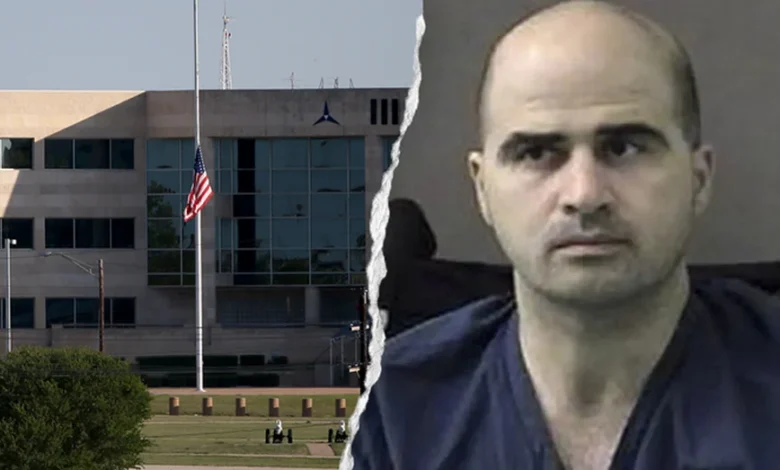
The legal battle surrounding the impending execution of convicted Fort Hood mass shooter Nidal Hasan has escalated sharply as federal attorneys and civil rights advocates trade arguments in federal court. Hasan, a former U.S. Army major and psychiatrist whose 2009 rampage left 13 people dead and dozens of others wounded, is actively challenging both his scheduled execution date and his planned transfer from Kansas to Texas. With his execution fast approaching, the case has ignited intense public interest, reopening deep wounds for the victims and their families while setting the stage for what would be the first U.S. military execution in more than six decades.
The latest developments unfolded in an 11-page filing submitted by American Civil Liberties Union (ACLU) attorneys in the U.S. District Court for the District of Kansas. The legal team argued that Hasan should remain confined at Fort Leavenworth, Kansas, while he pursues complex constitutional challenges to his death sentence. However, federal prosecutors have strongly pushed back against the maneuver, contending that Hasan’s anticipated legal claims are entirely without merit and that granting further delays would inflict additional emotional harm on the surviving victims and the families of the deceased.
Chronology of the 2009 Fort Hood Attack and Subsequent Legal Proceedings
To understand the weight of the current legal maneuvers, it is necessary to examine the chronology of events that began nearly two decades ago. On November 5, 2009, Hasan opened fire at the Soldier Readiness Processing Center at Fort Hood in Killeen, Texas. Armed with a semi-automatic pistol, he targeted unarmed service members who were preparing to deploy overseas. The attack resulted in the tragic deaths of 13 people—12 soldiers and one civilian employee—and left 32 others with varying degrees of physical wounds. Among the victims was Army Pvt. Francheska Velez, a 21-year-old soldier who had recently returned from a tour in Iraq and was pregnant with her first child.
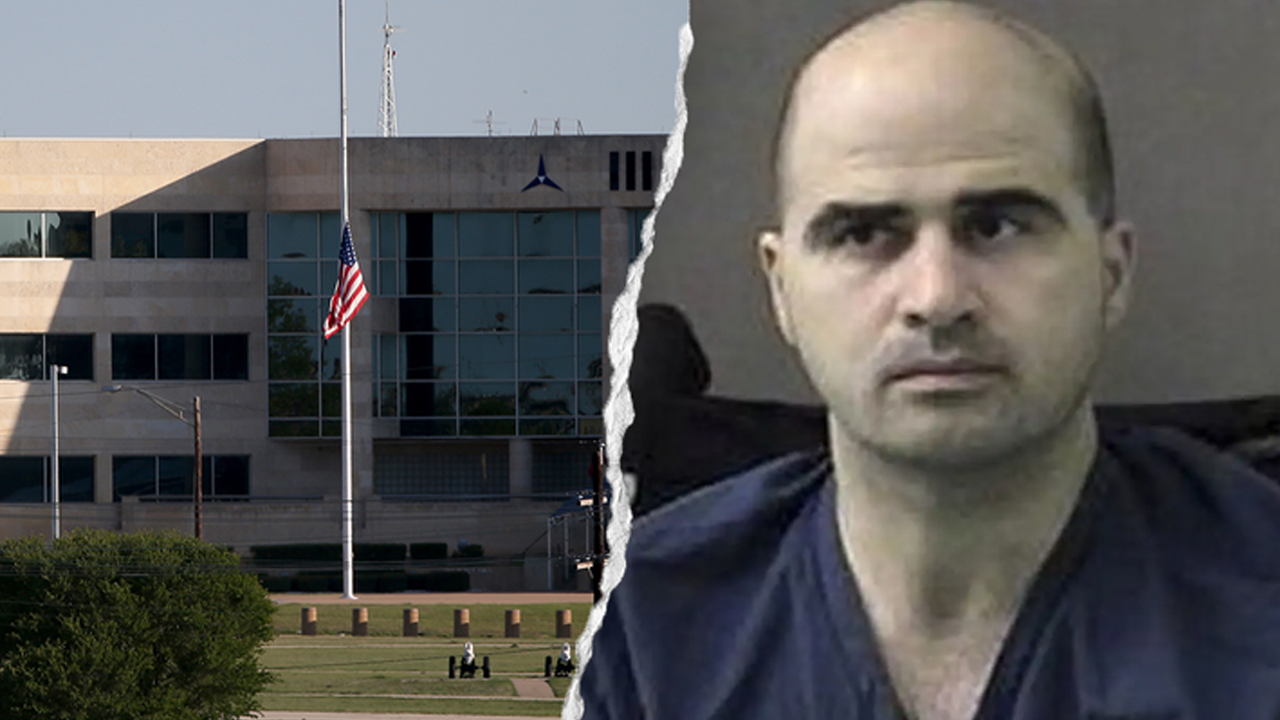
Hasan was subdued by civilian law enforcement officers at the scene, suffering gunshot wounds that left him paralyzed from the chest down and dependent on a wheelchair. In August 2013, a military jury sitting at Fort Hood convicted Hasan on 13 counts of premeditated murder and 32 counts of attempted premeditated murder. Throughout his 2013 court-martial, Hasan chose to represent himself, offering little defense and eventually admitting to the shooting, citing an interpretation of Islamic law that he claimed justified attacking U.S. service members participating in what he viewed as illegal wars in Muslim-majority nations.
Following his conviction and death sentence, the case entered a lengthy appeals process through the military justice system. Military appellate courts consistently upheld both the conviction and the sentence. The legal road effectively reached a critical milestone on March 31, 2025, when the U.S. Supreme Court declined to review his case, clearing the remaining judicial hurdles for the execution process to move forward. On October 2, President Donald Trump officially approved the death sentence, and Hasan was formally notified of the decision three days later on October 5.
Current Legal Motions and Arguments from Both Sides
The core of the current legal battle revolves around the timeline of filings and the specific venue for the execution. In their Saturday filing, ACLU attorneys defended Hasan against accusations from the government that he had intentionally delayed filing a federal habeas corpus petition. The defense argued that Hasan could not officially initiate federal habeas proceedings until the executive branch, specifically the president, finalized the approval of his death sentence on October 2. Measuring from the date of formal notification on October 5 to the submission of his stay motion on November 24, defense counsel maintained that the seven-week interval was entirely reasonable and lacked any precedent suggesting it was dilatory.
Furthermore, Hasan’s legal representation is urging the court to block his transfer to Texas, arguing that the receiving facility is unequipped to properly handle his medical needs as a paraplegic or to provide adequate, confidential access to his legal counsel. They emphasized that they are not seeking an indefinite pause on judicial oversight, but rather a temporary halt to ensure due process and proper medical accommodations.
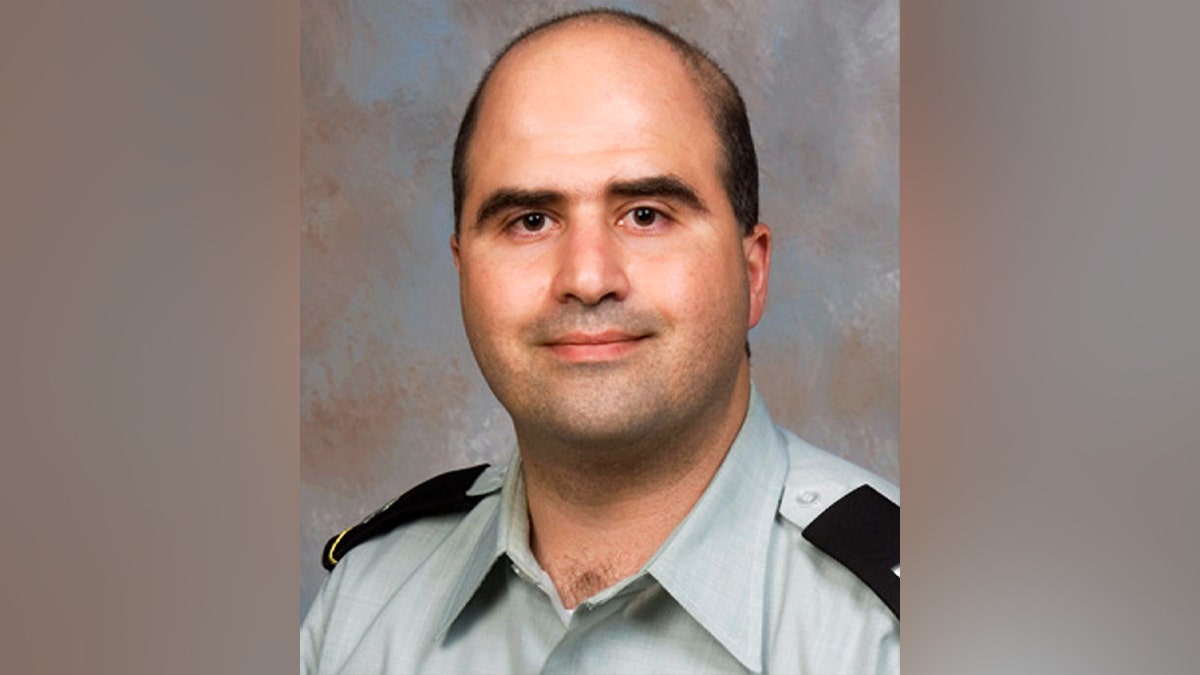
Conversely, federal prosecutors—led by U.S. Attorney for the District of Kansas Ryan Kriegshauser and Assistant U.S. Attorney Jared Maag—filed documents urging U.S. District Judge Anthony Mattivi to reject Hasan’s request for a stay of execution. Government lawyers asserted that Hasan has failed to establish any likelihood of success on the merits of a habeas petition, pointing out that his anticipated claims have already been thoroughly litigated and rejected by military courts.
Among the constitutional claims Hasan intends to bring forward is a recycled argument asserting that his actions were legally justified because he was supposedly defending members of the Taliban in Afghanistan. Additionally, Hasan plans to challenge the direct involvement of President Trump and Secretary of War Pete Hegseth in the execution proceedings, alleging unlawful command influence. Federal attorneys dismissed these arguments as legally frivolous, emphasizing that the overwhelming public interest and the rights of the victims outweigh the defendant’s repeated attempts to prolong the litigation.
"The government’s interest in implementing Hasan’s sentence is magnified by the heinous nature of his crimes," federal prosecutors wrote in their court filings, noting that the victims’ families and the public hold an undeniable interest in seeing the capital sentence carried out without further obstruction.
Victim Reactions and Public Sentiment
For the survivors and the families of the fallen, the approaching execution date brings a mixture of solemn resolution and painful remembrance. Many of those impacted by the 2009 tragedy have expressed their intention to travel to Texas to witness the culmination of a nearly 17-year quest for justice. Alonzo Lunsford, a Fort Hood survivor who was shot multiple times in the head during the rampage, has publicly stated his intention to watch the execution, asserting that the punishment is long overdue.
Public discourse has also focused heavily on the logistics and execution method. Discussions regarding whether the execution should be broadcasted were firmly put to rest when administration officials ruled out a livestream of the event, a decision that has largely garnered public support. The execution itself is slated to be carried out via a military firing squad, an unprecedented modern method for a federal or military prisoner that has drawn significant national and international attention.
Judicial Oversight and Broader Implications
The presiding judge in the current federal proceedings, U.S. District Judge Anthony Mattivi, brings extensive judicial and prosecutorial experience to the bench. A Trump appointee confirmed by the Senate in June, Mattivi spent over two decades as a federal prosecutor, notably serving as the lead prosecutor in the military commission trial of the al Qaeda operative responsible for orchestrating the USS Cole bombing, as well as assisting Iraqi authorities in prosecuting war crimes committed under Saddam Hussein’s regime.
Judge Mattivi ordered Hasan to appear in person for a crucial court hearing scheduled for Monday morning in Kansas City, Kansas. The hearing is expected to address multiple pressing matters, including Hasan’s formal request to represent himself, the appointment and specific roles of his legal counsel, and the contested motion regarding his transfer and the stay of execution.
If the execution proceeds as scheduled on Thursday, it will mark a historic turning point in American jurisprudence. It would represent the first U.S. military execution carried out in more than 60 years, reviving a dormant arm of military capital punishment. Legal scholars and defense experts are closely monitoring the proceedings, noting that the outcome could establish new operational frameworks and legal precedents for handling high-profile military capital cases in the future. As Monday’s hearing approaches, all eyes remain fixed on the federal courtroom in Kansas, where the final legal battles for one of America’s most notorious mass shooters are drawing to a close.
Related posts: