ACLU Files Lawsuit Against Trump Administration Over Federal Grand Jury Investigation Targeting Anonymous Social Media Critics of ICE

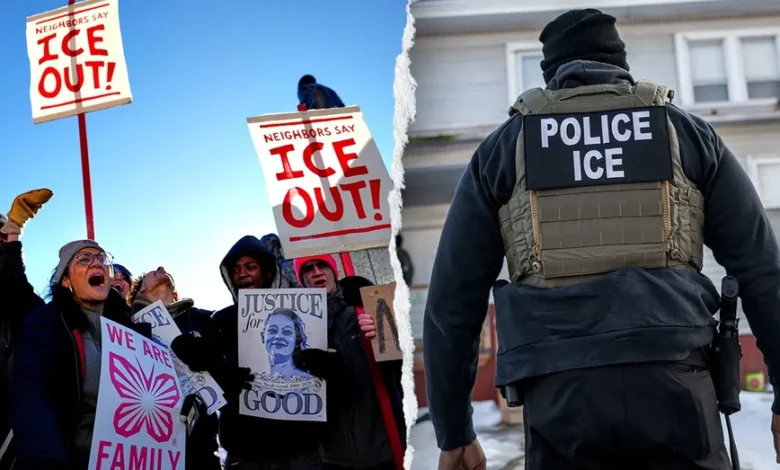
The American Civil Liberties Union has launched a major legal challenge against the Trump administration, filing a federal lawsuit to halt a sweeping investigative initiative known as "Investigation 18." The lawsuit accuses top federal law enforcement and security officials of weaponizing grand jury subpoenas to unmask anonymous social media users who expressed harsh criticism of Immigration and Customs Enforcement operations. Filed on behalf of four anonymous plaintiffs whose posts ranged from aggressive rhetoric to calls to burn down federal agencies, the legal action tests the boundaries between constitutionally protected political speech and potential threats of violence against law enforcement personnel.
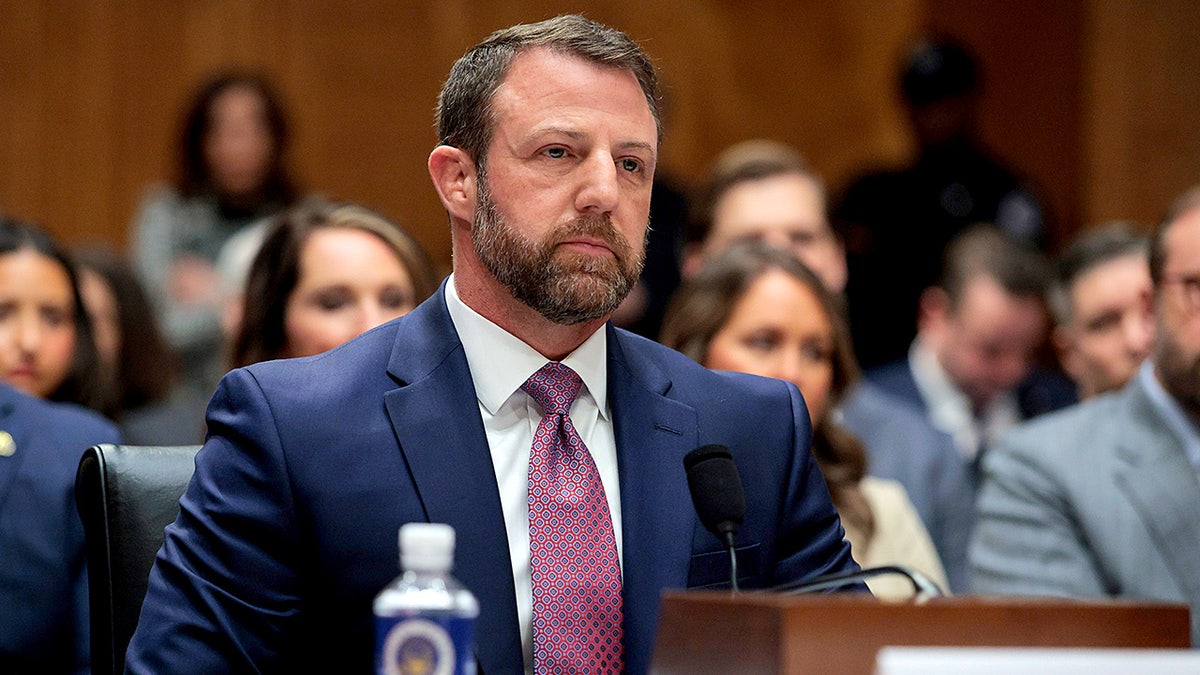
The legal challenge names prominent officials within the Trump administration, including Attorney General Todd Blanche, Homeland Security Secretary Markwayne Mullin, and U.S. Attorney for the District of Columbia Jeanine Pirro. U.S. District Judge James Boasberg ordered the initial complaint unsealed, setting the stage for a high-stakes legal showdown over digital privacy, government overreach, and the safety of federal immigration officers amid a dramatic spike in workplace assaults.
Background and Anatomy of Investigation 18
The genesis of Investigation 18 traces back to a shifting strategy by federal authorities attempting to track down individuals posting inflammatory online content regarding immigration enforcement. According to court filings, the Department of Homeland Security initially deployed hundreds of administrative subpoenas to major technology companies throughout late 2025 and early 2026. These administrative tools, which are issued directly by federal agencies without judicial sign-off, aimed to gather subscriber identities, IP addresses, financial details, and contact information associated with critical social media accounts.
However, as tech companies and legal advocates pushed back against administrative demands, federal prosecutors shifted tactics, routing the inquiries through grand jury subpoenas. Unlike administrative requests, grand jury subpoenas operate under strict secrecy rules, making it significantly more difficult for targeted users or the broader public to monitor the scope of the investigation or mount timely legal challenges.
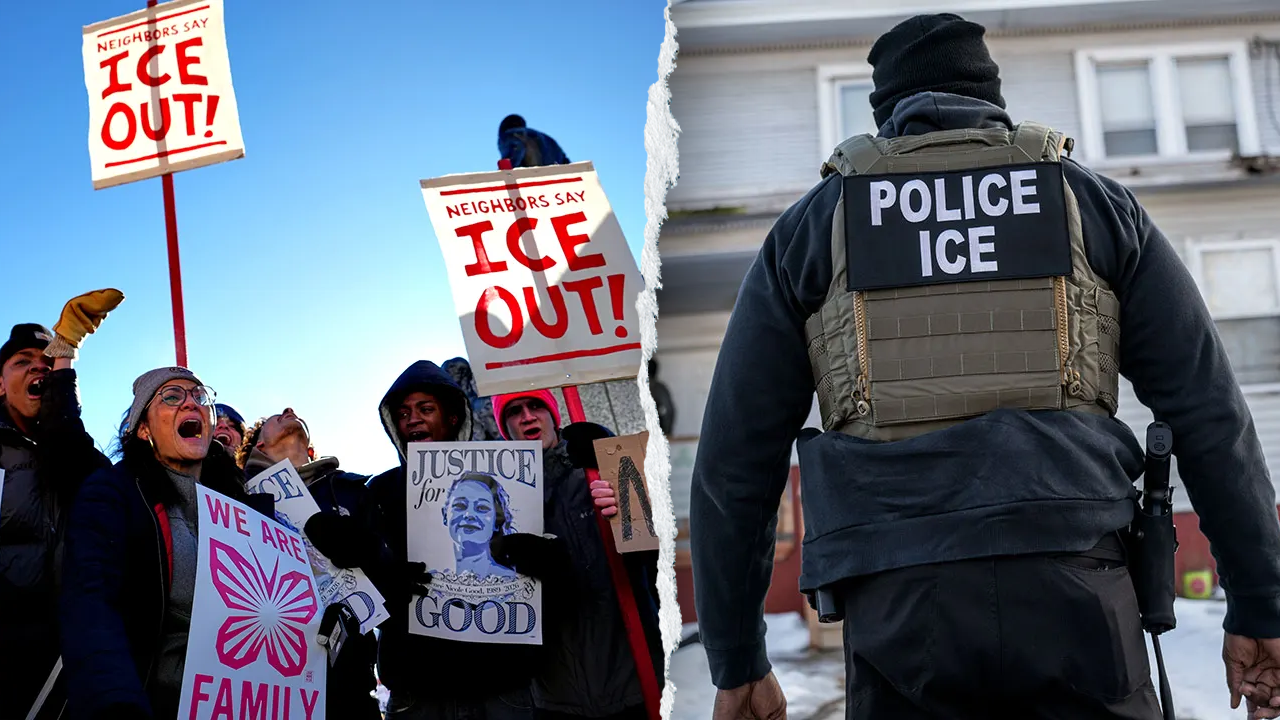
The ACLU’s lawsuit reveals that at least 35 grand jury subpoenas have been issued under Investigation 18. Some technology platforms have already complied with these requests, turning over identifying information that compromises the anonymity of users who believed their political speech was shielded from government reprisal.
Plaintiff Profiles and Controversial Social Media Posts
The lawsuit centers on the experiences of four anonymous social media users whose online commentary drew the direct ire of federal investigators. Among them is a retired Arizona prosecutor who took to the decentralized social network Bluesky in October to voice deep outrage over a viral video depicting law enforcement officers dragging an elderly woman across the ground during an enforcement action in Batesville, Texas.
"Fact: more than once in my childhood I wanted to ‘kill’ my brother and sister for annoying me (Mom, he’s touching me). Now, as a senior citizen who pays attention, I want to kill ICE, the whole damn lot of them because of how they ‘touch’ humans, as seen in this video," the retired prosecutor wrote.
Another plaintiff, a retired American citizen currently residing abroad, posted an inflammatory comment on an Instagram photograph from June featuring an ICE officer wielding a baton outside the Delaney Hall immigration detention facility in Newark, New Jersey. The user wrote, "Looks like a rabid dog foaming at the mouth. Should be put down," appending a water gun emoji.
A third plaintiff, identified as a state government employee, posted a message on Bluesky in October demanding extreme retribution against federal agencies: "Burn ICE to the ground. Burn DHS to the ground. Salt the earth."
The ACLU contends that while these statements utilize provocative, aggressive, and offensive imagery, they constitute hyperbole and protected political discourse rather than true, actionable threats of violence. The organization argues that the government is utilizing the chilling effect of grand jury investigations to intimidate critics into self-censorship, thereby violating core tenets of the First Amendment.
Escalating Tensions and Safety Concerns for ICE Personnel
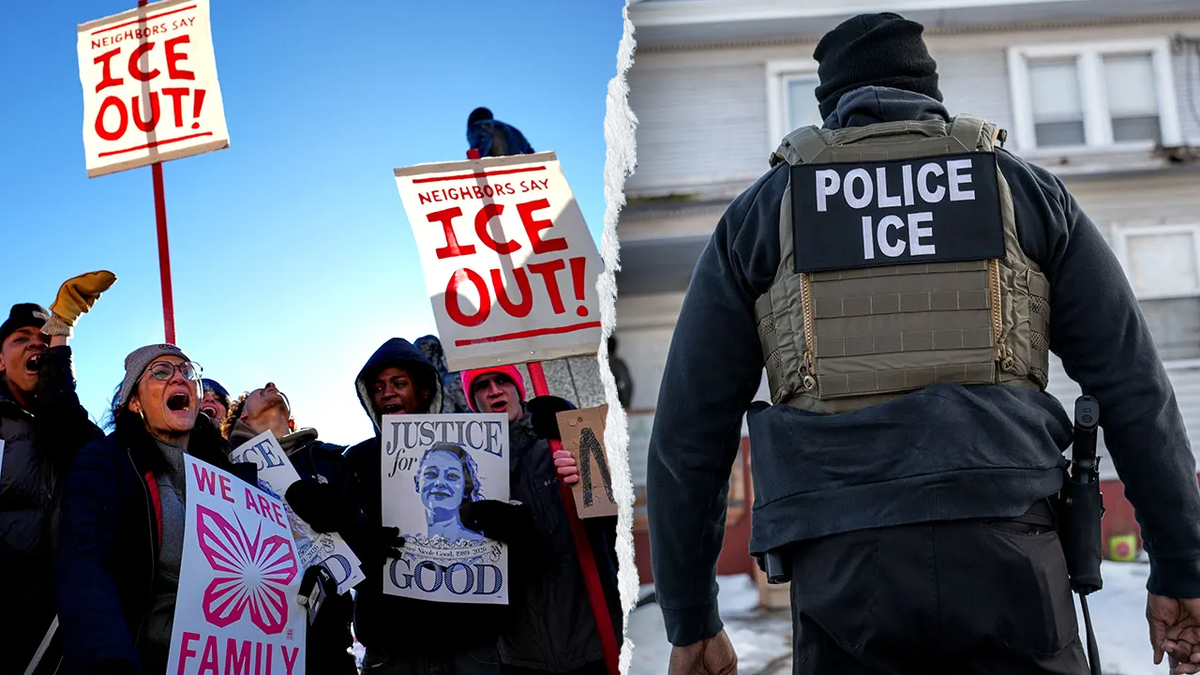
The federal investigation unfolds against a backdrop of intense political polarization and a severe surge in hostility directed toward federal immigration agents. President Donald Trump’s second-term immigration enforcement agenda has prioritized mass deportations and interior enforcement, placing ICE and Department of Homeland Security personnel at the center of fierce public debate and recurring protests.
According to data released by the Department of Homeland Security, the operational climate has grown increasingly perilous for personnel on the ground. DHS reported a staggering increase in assaults against ICE personnel, recording 647 violent incidents between January 20, 2025, and September 20, 2026. By comparison, only 37 similar assaults were recorded during the exact same timeframe under the previous administration, representing a year-over-year surge exceeding 1,600%.
Administration officials have aggressively pushed back against what they characterize as dangerous rhetoric from political opponents and online activists. DHS Secretary Markwayne Mullin publicly blamed sanctuary politicians and anti-ICE agitators for stoking an environment of hostility that directly endangers the lives of officers carrying out federal mandates.
Further intensifying the administration’s posture, White House border czar Tom Homan announced plans in January to compile a public database identifying individuals arrested for interfering with, impeding, or assaulting ICE officers, vowing publicly to "make them famous."
Legal Arguments and Constitutional Debate
The core legal question before Judge Boasberg involves reconciling the protections of the First Amendment with the investigative authority of the federal government. While the First Amendment broadly protects anonymous political speech and sharp criticism of public officials, true threats of violence intended to intimidate or harm specific individuals are legally unprotected.
Federal prosecutors maintain broad discretion in initiating grand jury inquiries and are not legally required to establish formal probable cause before issuing subpoenas to gather evidence in a potential criminal matter. However, civil liberties advocates argue that deploying the formidable machinery of a federal grand jury to investigate protected online criticism creates an unconstitutional deterrent against public dissent.
"The government is weaponizing the grand jury process to retaliate against people for expressing their political views online," said Laura Moraff, a staff attorney with the ACLU’s Speech, Privacy, and Technology Project. "The First Amendment guarantees our right to criticize the government, including anonymously, and no one should fear being investigated for disagreeing with the president. This crackdown on dissent is antithetical to our nation’s core values."
Chronology of Events
- June: An Instagram post depicting an ICE officer with a baton outside a Newark detention facility attracts critical comments, including a post from a retired American living abroad comparing an agent to a "rabid dog."
- Late 2025 – Early 2026: The Department of Homeland Security issues hundreds of administrative subpoenas to technology platforms seeking identifying information on anonymous critics.
- January: White House border czar Tom Homan announces plans to create a public database exposing individuals who interfere with or assault ICE personnel.
- October 6: A retired Arizona prosecutor posts critical commentary on Bluesky regarding a law enforcement incident in Batesville, Texas.
- October 8: A state government employee posts a call to "burn ICE to the ground" on Bluesky.
- Late 2026: Federal authorities increasingly transition from administrative subpoenas to secret grand jury subpoenas under "Investigation 18" to circumvent resistance from tech companies and privacy advocates.
- September: DHS reports that assaults against ICE personnel have risen by over 1,600% compared to the prior administration, prompting heightened security measures and aggressive federal responses to online threats.
- Wednesday: U.S. District Judge James Boasberg orders the ACLU lawsuit unsealed, bringing the secret investigation into public view.
- Friday: The ACLU files formal public versions of its court documents, naming Attorney General Todd Blanche, DHS Secretary Markwayne Mullin, and U.S. Attorney Jeanine Pirro as defendants.
- Upcoming (January 6): Judge Boasberg is scheduled to hear oral arguments regarding the plaintiffs’ motion for a preliminary injunction, which seeks to halt Investigation 18, invalidate outstanding subpoenas, and purge data already collected by federal authorities.
Broader Implications and Outlook
The outcome of the preliminary injunction hearing before Judge Boasberg carries profound implications for the future of digital expression, government transparency, and law enforcement accountability in the United States. A ruling in favor of the ACLU could establish robust protective boundaries for anonymous online political dissent, limiting the extent to which federal law enforcement agencies can leverage grand jury procedures to unearth the identities of government critics. Conversely, a victory for the Trump administration would validate the use of investigative subpoenas to crack down on inflammatory online rhetoric, particularly as federal agencies grapple with heightened security threats amid contentious national immigration policies.
Representatives for the Department of Justice, the Department of Homeland Security, and U.S. Attorney Jeanine Pirro have been approached for comment as legal teams prepare for oral arguments in federal court.
Related posts: