Household cleaning is often a straightforward, if tedious, task, but when faced with stubborn grime or deep-set stains, the temptation to experiment with chemical combinations can be significant. While many consumers believe that layering products will increase their cleaning efficacy, mixing common household chemicals can lead to volatile reactions, some of which pose severe health risks. Among the most prevalent anxieties regarding domestic chemistry is the persistent myth that combining everyday cleaners produces mustard gas, a lethal synthetic chemical weapon that gained notoriety for its devastating impact during the First World War. While the reality is that common household mixing does not produce mustard gas, the actual risks involved are arguably just as dangerous and require urgent public awareness.
The Chemistry of Domestic Hazards
To understand why the "mustard gas" myth persists, one must distinguish between various toxic byproducts. Mustard gas, or sulfur mustard, is a complex chemical warfare agent—bis(2-chloroethyl) sulfide—that requires sophisticated laboratory synthesis to produce. It is not a byproduct of standard household bleach, ammonia, or vinegar. However, the reactions that do occur in residential settings involve the release of potent respiratory irritants, such as chlorine gas, chloramine vapors, and chloroform.
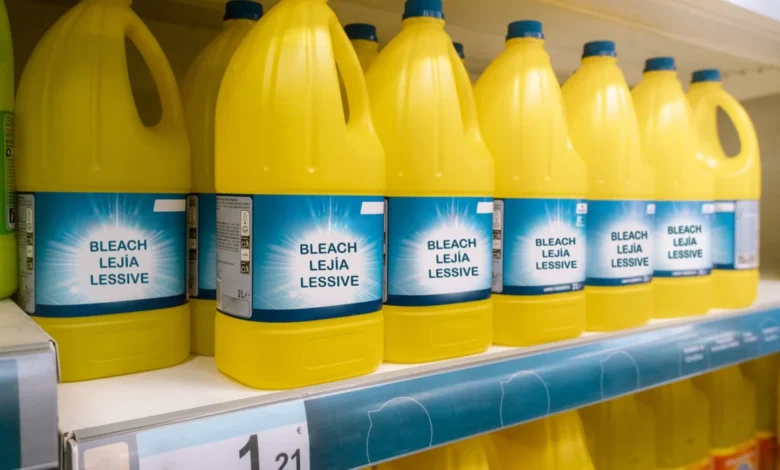
When bleach (sodium hypochlorite) is mixed with ammonia, the reaction produces chloramine gas. When inhaled, chloramine causes severe irritation to the eyes, nose, throat, and lungs, leading to coughing, nausea, and shortness of breath. In high concentrations, it can cause chemical pneumonia and fluid buildup in the lungs. Similarly, mixing bleach with acidic substances—such as vinegar, toilet bowl cleaners, or rust removers—releases chlorine gas. Chlorine gas is a potent oxidizing agent that reacts with the moisture in the respiratory tract to form hydrochloric acid, causing immediate tissue damage and respiratory distress.
Chronology of Chemical Exposure Risks
The danger of household chemical interactions is not a modern phenomenon, yet its frequency has arguably risen alongside the proliferation of specialized cleaning agents.
- Early 20th Century: As household cleaning products shifted from simple soap and lye to chemically synthesized surfactants and bleaching agents, incidents of accidental exposure began to be documented in medical journals.
- 1970s–1980s: Public health agencies, including the precursor organizations to the modern Environmental Protection Agency (EPA), began issuing formal guidelines regarding the labeling of household chemicals, specifically mandating warnings against mixing bleach with other cleaners.
- 2010–Present: With the rise of "DIY" cleaning tutorials on social media platforms, poison control centers have reported an uptick in calls related to accidental inhalation injuries. These incidents often occur when individuals attempt to "deep clean" bathroom fixtures by combining multiple products in confined, poorly ventilated spaces.
Data on Poisoning Incidents
According to the American Association of Poison Control Centers (AAPCC), tens of thousands of exposure incidents involving household cleaning substances are reported annually. While the majority of these are accidental ingestion by children, a significant subset involves adults suffering from inhalation injuries due to chemical mixing.
Data from the National Poison Data System indicates that bleach remains the most common culprit in these incidents. In a typical year, there are over 50,000 reported exposures to household cleaning agents in the United States alone. Research published in the Journal of Emergency Nursing suggests that inhalation of mixed cleaning vapors accounts for a substantial percentage of chemical-related hospital visits, particularly among individuals cleaning confined areas like showers or laundry rooms where air circulation is limited.
Official Responses and Safety Protocols
Health agencies, including the Centers for Disease Control and Prevention (CDC) and the Occupational Safety and Health Administration (OSHA), maintain rigorous stances on chemical safety. The consensus among toxicologists is clear: cleaning products are designed to be used independently.
"The chemical architecture of modern cleaners is highly specific," notes Dr. Elena Vance, a chemical safety researcher. "Manufacturers formulate these products to be stable within their containers. Introducing a second chemical destabilizes the pH balance, triggering exothermic or gas-evolving reactions. Whether or not it is technically ‘mustard gas’ is irrelevant; the pulmonary damage caused by chlorine or chloramine gas can be fatal."
Manufacturers are legally required to include Safety Data Sheets (SDS) and clear warning labels on product packaging. These labels serve as the primary line of defense. Regulatory bodies advise that if a consumer is unsure about a chemical combination, they should adhere to a "one at a time" policy, ensuring that surfaces are rinsed thoroughly with water between the application of different cleaning agents.
Broader Implications for Public Health
The myth of mustard gas production, while scientifically inaccurate, highlights a lack of public understanding regarding chemical reactivity. This misinformation can lead to a dangerous false sense of security; individuals might assume that if they aren’t producing "mustard gas," their mixture is safe.
The implications of this confusion extend to public health policy and emergency response. First responders often arrive at scenes where residents have accidentally created toxic clouds, and the time spent identifying the chemicals involved can delay life-saving medical intervention. Furthermore, the reliance on digital information sources, where myths often circulate faster than verified scientific data, complicates public health outreach efforts.
Preventing Accidental Exposure
To mitigate these risks, public health experts emphasize several preventative measures:
- Read the Label: Never assume two products are compatible. If a label does not explicitly state that it can be mixed with another product, assume it cannot.
- Ensure Ventilation: Always clean in well-ventilated areas. Open windows and utilize exhaust fans to disperse any vapors that might be released during the cleaning process.
- Use Personal Protective Equipment (PPE): For heavy-duty cleaning, use gloves and, if necessary, respiratory protection to prevent dermal and inhalation exposure.
- Storage Protocols: Store chemicals in their original containers with labels intact. Never store cleaning products in unlabeled bottles, which increases the likelihood of accidental mixing.
- Immediate Response: In the event of an accidental mixture, immediately leave the area to seek fresh air. Do not attempt to "clean up" the spill with more water or chemicals if fumes are present. Contact a poison control center or emergency services immediately.
Conclusion: The Path Forward
While the chemistry of the household is far less lethal than the chemical battlefields of the past, the hazards of domestic neglect remain a significant public health concern. The transition from simplistic cleaning methods to complex chemical solutions has necessitated a higher degree of consumer literacy. By debunking myths like the mustard gas scenario and focusing on the tangible risks of chlorine and chloramine gas, society can move toward a more informed approach to home maintenance.
Education remains the most effective tool in reducing these incidents. As chemical manufacturers continue to innovate, the responsibility remains with the consumer to respect the potency of the tools they use. The goal is to demystify chemical reactions without trivializing the danger, ensuring that the pursuit of a cleaner home does not come at the cost of one’s respiratory health. Ultimately, the best strategy for safety is as simple as it is effective: stick to the instructions provided by the manufacturer, respect the chemistry of the substances in use, and never, under any circumstances, combine products unless specifically instructed to do so by a verified professional source. By prioritizing caution over convenience, households can remain safe, sanitary, and free from the preventable dangers of chemical interaction.