Hyundai Opens Order Books for the Spacious Staria Electric Van Across Global Markets, Expanding Its Commercial and Passenger EV Lineup

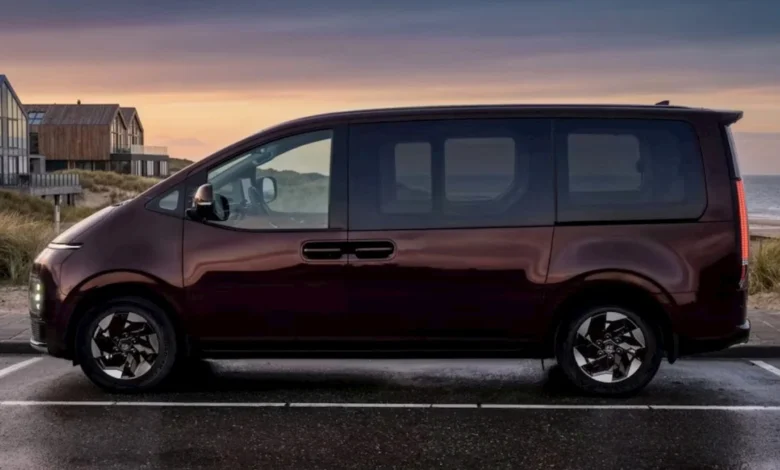
Hyundai Motor Company has officially opened order books for the eagerly anticipated Staria Electric across Europe and select global markets, marking a significant milestone in the automaker’s aggressive transition toward comprehensive electrification. Initially previewed at the Brussels Motor Show earlier this year following its domestic launch in South Korea, the battery-electric variant of Hyundai’s futuristic multi-purpose vehicle (MPV) introduces a compelling blend of expansive passenger capacity, cutting-edge digital architecture, and robust commercial utility. Positioned as a larger alternative to competitors such as the Kia PV5 and the Volkswagen ID. Buzz, the Staria Electric aims to redefine expectations for multi-passenger electric transport and utility vehicles alike.
With pricing kicking off at €57,450 (approximately $66,500) in Germany for the base passenger model, the Staria Electric is designed to cater to large families, commercial shuttle operators, and businesses seeking high-capacity zero-emission transit. Concurrently, Hyundai is expanding its footprint further down the size spectrum with the European rollout of the IONIQ 3, a compact electric vehicle starting at €28,950 ($33,000), alongside the commercial-focused Staria Load Electric in Australia. These concurrent rollouts underscore Hyundai’s strategic multi-segment approach to capturing market share across diverse demographics, ranging from urban commuters to commercial fleet operators.
Chronology and Development of the Staria Electric Program
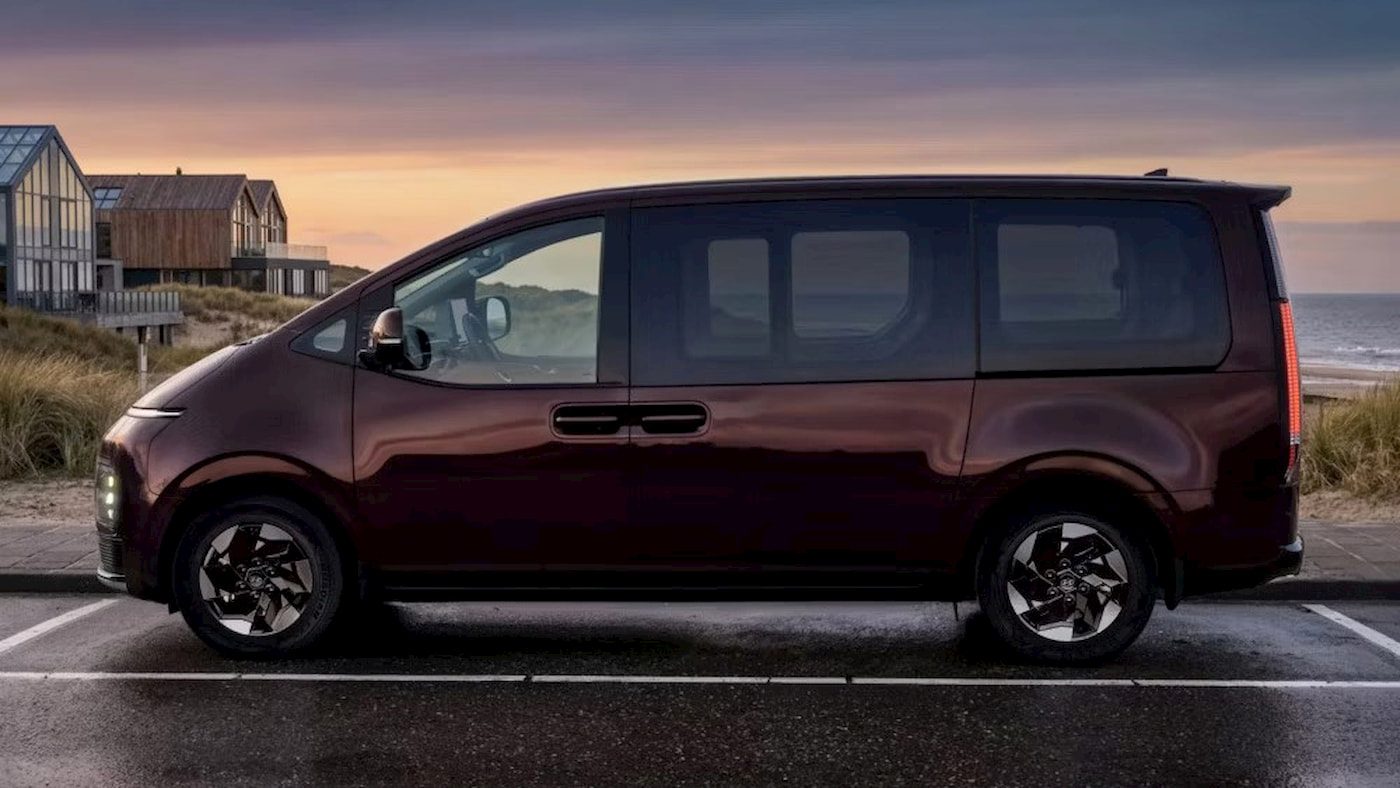
The journey of the Staria nameplate from an internal combustion engine (ICE) platform to a battery-electric vehicle (BEV) reflects Hyundai’s agile engineering strategy. Originally introduced as a futuristic, gas- and diesel-powered people carrier for Europe, South Korea, and select international markets, the Staria captured industry attention due to its aerodynamic, monovolume silhouette. Recognizing the surging demand for large electric people movers, Hyundai accelerated development on a dedicated electric derivative.
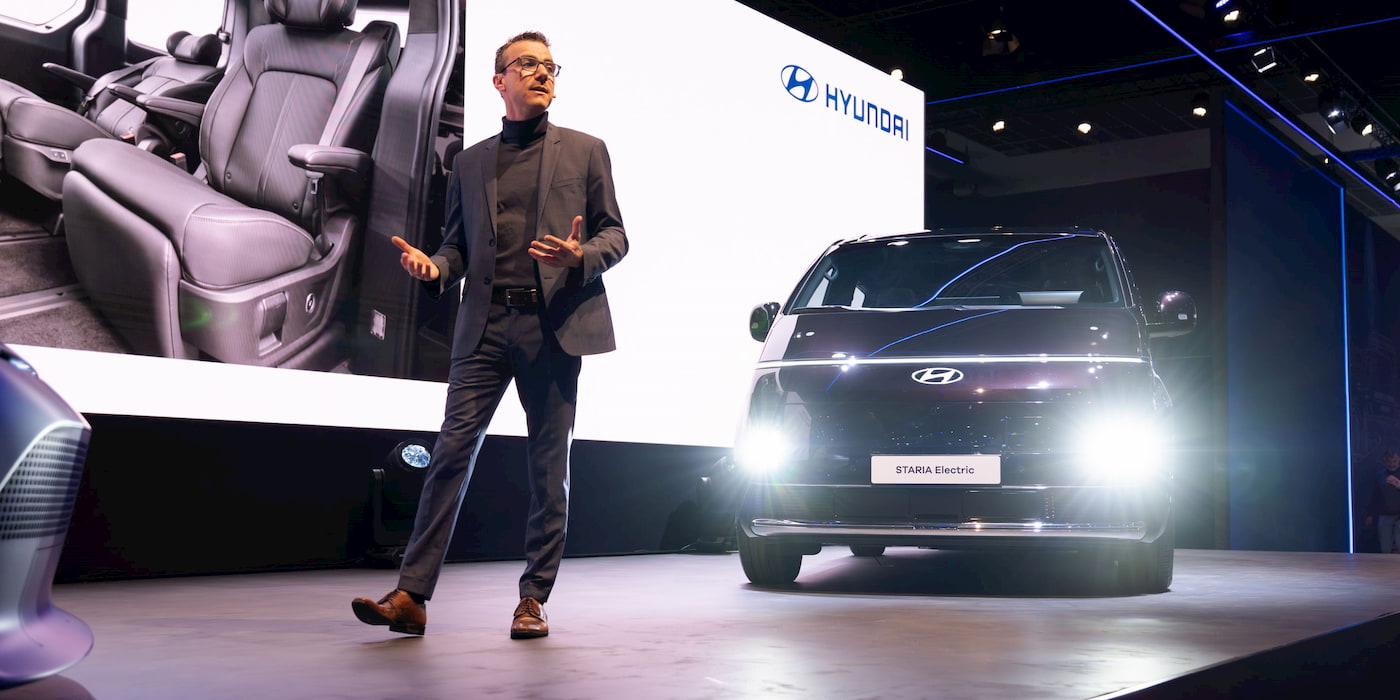
In January, the automotive world caught its first official glimpse of the production-ready Staria Electric when Hyundai showcased the vehicle at the Brussels Motor Show. The debut generated considerable enthusiasm among fleet operators and families looking for a true multi-row EV that compromises neither passenger comfort nor cargo space. Following a successful domestic rollout in South Korea earlier this year, Hyundai has systematically progressed to international market introductions, starting with European order books opening this September. This global launch schedule highlights the automaker’s commitment to supplying localized variants, including the passenger-focused multi-seater configurations in Europe and the utility-oriented Staria Load Electric tailored for commercial duties in regions like Australia.
Dimensions, Design, and Interior Packaging
The Staria Electric’s physical footprint commands attention. Measuring 5,253 mm (206.8 inches) in length, 1,997 mm (78.6 inches) in width, and 1,990 mm (78.3 inches) in height, with a substantial wheelbase of 3,273 mm (128.8 inches), the vehicle is roughly 200 mm (7.8 inches) longer than Hyundai’s flagship three-row IONIQ 9 SUV. This expansive scale translates directly into exceptional interior volume.
Aesthetically, the electric variant maintains the aerodynamic, spaceship-like profile of its ICE predecessor while incorporating distinct EV design signatures. Most notable are the smooth, closed-off front grille and a continuous, full-length LED light bar that spans the width of the fascia, signaling the vehicle’s zero-emission powertrain.
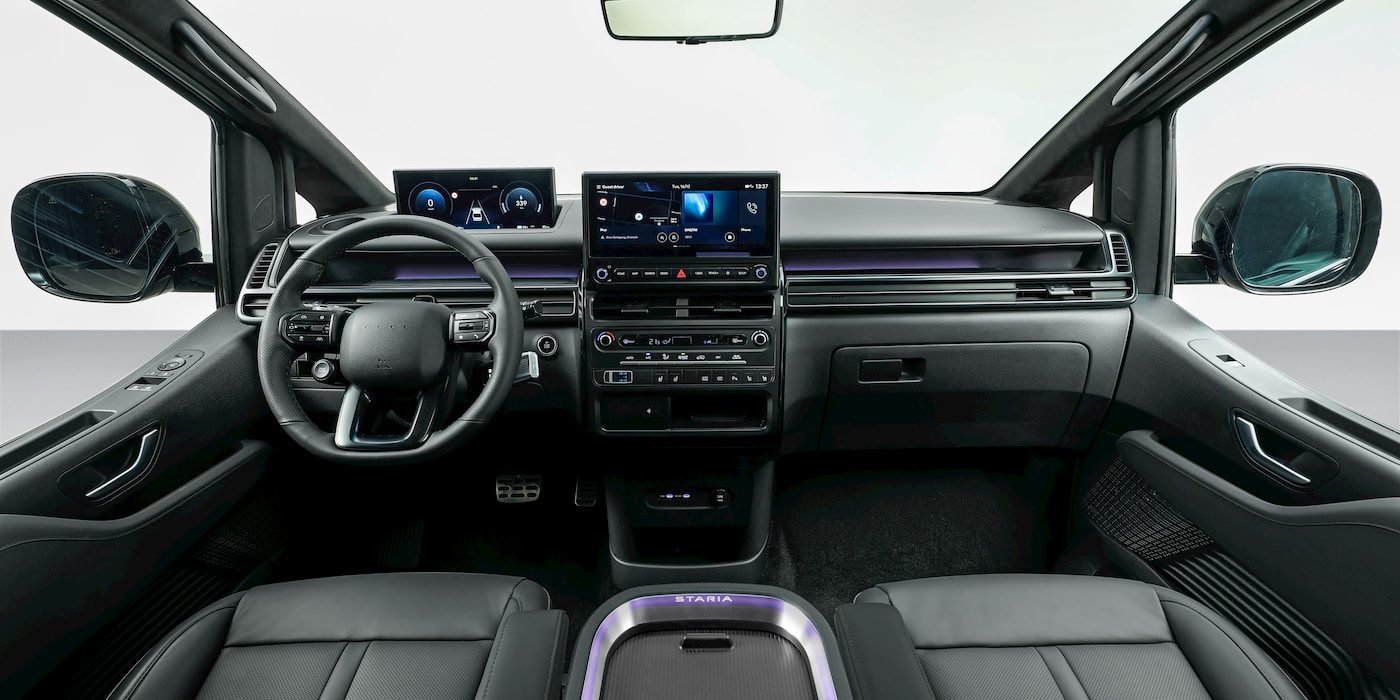
Inside, the Staria Electric leverages Hyundai’s innovative "Inside-Out" design philosophy. The architecture capitalizes on a completely flat floor enabled by the dedicated EV platform, creating an open-plan cabin configurable in seven- and nine-seat layouts. The nine-passenger configuration delivers up to 1,303 liters of dedicated luggage capacity behind the seats, supplemented by an additional 24-liter front trunk (frunk) under the hood. Equipped with practical sliding doors and flexible, folding seating arrangements, the cabin is engineered for versatility, accommodating large family excursions, airport shuttle services, and group travel with equal ease.
Technologically, the dashboard is anchored by Hyundai’s latest connected car Navigation Cockpit (ccNC) system, featuring dual 12.3-inch displays for the digital instrument cluster and infotainment suite. The system supports seamless wireless integration for Apple CarPlay and Android Auto, ensuring that modern connectivity demands are fully met.
Powertrain, Battery Specifications, and Charging Performance
Underneath its aerodynamic skin, the Staria Electric is engineered for reliable, long-distance family and commercial utility. The vehicle relies on an 84 kWh battery pack paired with a front-mounted electric motor generating 160 kW (218 horsepower). According to the Worldwide Harmonised Light Vehicles Test Procedure (WLTP), the Staria Electric achieves a driving range of up to 430 kilometers (267 miles) on a single charge, making it well-suited for both regional logistics and extended cross-country road trips.
One of the vehicle’s standout engineering achievements is its integration of an 800-volt electrical architecture. This high-voltage system allows the Staria EV to support ultra-fast DC charging at rates up to 350 kW. When plugged into a compatible DC fast-charger, the battery can replenish its state of charge from 10% to 80% in approximately 20 minutes, significantly minimizing downtime during long journeys.
Furthermore, the Staria Electric features Hyundai’s advanced Vehicle-to-Load (V2L) technology. This bidirectional charging capability transforms the vehicle into a mobile power bank, capable of supplying external electricity to power campsite equipment, heavy-duty power tools, coffee makers, or other electronic devices—a feature expected to resonate strongly with commercial contractors and outdoor enthusiasts alike.
Trim Levels, Pricing, and European Market Structure

Hyundai has structured the European rollout of the passenger Staria Electric across three distinct trim levels, allowing customers to tailor the vehicle to their specific budgetary and comfort requirements.
At the entry-level sits the Staria Electric Trend 9-seater, which starts at €57,450 (approximately $66,500) in Germany. For corporate and retail customers preferring flexible financing, Hyundai is offering lease programs starting at €489 ($570) per month.
Stepping up to the mid-tier Prime 9-seater variant, priced at €63,350 (approximately $73,500), introduces a suite of upgraded conveniences and safety technologies. This trim adds electric sliding doors on both sides, an electric tailgate, sliding windows and manual sunshades for the second and third rows, Highway Driving Assist 1.5, a dedicated blind-spot view monitor display integrated into the instrument cluster, and a practical 230V interior power socket.
At the apex of the lineup is the range-topping Staria Electric Calligraphy 7-seater, commanding €66,950 (approximately $77,800). The Calligraphy trim elevates the cabin experience to a luxury tier, incorporating exclusive design accents, full LED projection headlights, multi-color ambient lighting, a premium BOSE sound system, Passenger View and Talk Mode for enhanced cabin communication, and sumptuous Nappa leather upholstery. Crucially, the second row features two individual comfort seats equipped with a relaxation recline function, heating, and ventilation, turning the rear cabin into a first-class lounge experience.
Commercial Variant: The Staria Load Electric
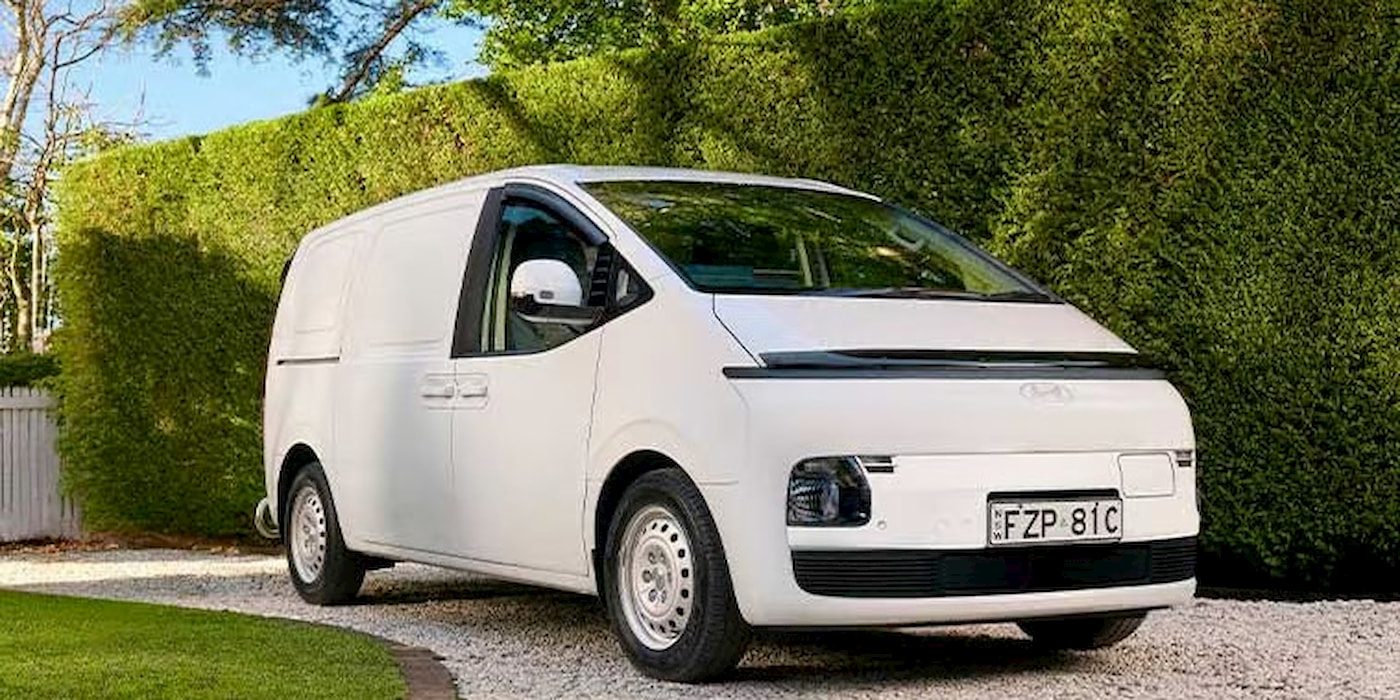
Recognizing the immense potential for zero-emission commercial fleets, Hyundai has simultaneously introduced the Staria Load Electric in international markets such as Australia. Designed strictly for commercial cargo transport, the Staria Load Electric is offered in a single, highly competitive trim level priced at 70,990 AUD before on-road costs.
This pricing strategy positions the Hyundai commercial van advantageously against key rivals in the segment, such as the Ford E-Transit Custom, which starts at 77,890 AUD plus on-road costs. By providing businesses with a reliable, spacious, and fast-charging electric cargo carrier, Hyundai aims to accelerate fleet decarbonization across the logistics and delivery sectors.
Broader Portfolio Expansion and Geographic Availability

The launch of the Staria Electric coincides with broader portfolio adjustments by Hyundai. Alongside the van, Hyundai has officially opened order books for the IONIQ 3 in Europe, representing the brand’s smallest and first dedicated compact EV from the award-winning IONIQ lineup. Priced aggressively starting at €28,950 ($33,000) with promotional lease rates as low as €209 ($240) per month, the IONIQ 3 is poised to capture high-volume mainstream demand across European urban centers.
However, automotive analysts note that geographic availability will remain strictly partitioned. Despite strong interest from consumers in North America, neither the Staria Electric nor the compact IONIQ 3 is expected to cross the Atlantic. Hyundai has confirmed that the gas-powered Staria was never certified for the U.S. market, and the IONIQ 3 has been specifically engineered and styled to cater to European regulatory and consumer preferences. Instead, North American buyers seeking multi-row electric mobility from the brand will continue to look toward the newly launched, larger three-row IONIQ 9 SUV and the critically acclaimed IONIQ 5 crossover.
Implications and Future Outlook
The commercialization of the Staria Electric represents a calculated and mature step in Hyundai’s electrification roadmap. By addressing segments that traditional electric SUVs and sedans fail to serve—namely high-capacity passenger transport and heavy-duty urban logistics—Hyundai is capturing essential market share in sectors undergoing rapid regulatory pressure to eliminate tailpipe emissions.

With municipal authorities across Europe steadily tightening restrictions on internal combustion commercial vehicles and downtown passenger carriers, the arrival of a refined, high-capacity, 800V-capable electric van arrives at an opportune moment. As initial customer deliveries commence later this year, the market performance of the Staria Electric will serve as an important indicator of consumer and fleet readiness for large-format electric multi-purpose vehicles.
Related posts: