Commonly Used Sweeteners May Directly Interfere With Gut Bacteria Growth, Cambridge Study Reveals

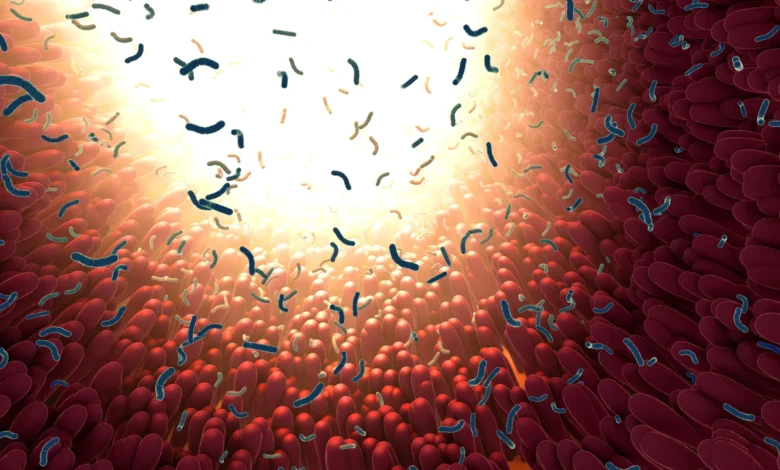
Laboratory research conducted at the University of Cambridge has unveiled a potentially significant, yet often overlooked, interaction: commonly used sweeteners may directly disrupt the growth of bacteria crucial for maintaining a healthy gut microbiome. This groundbreaking study, published in the journal Molecular Systems Biology, challenges the long-held perception of sweeteners as metabolically inert substances and suggests that their impact on human health could be far more intricate than previously understood.
The research, led by Professor Kiran Patil of the Medical Research Council (MRC) Toxicology Unit, examined the effects of 39 commercially available sweeteners—both natural and artificial—on 25 different bacterial species commonly found in the human gut. The findings indicate that a substantial majority of these sweeteners, approximately three-quarters, exhibited an influence on the growth of at least one bacterial species. More concerningly, several sweeteners were found to significantly inhibit or completely halt the proliferation of bacteria vital for digestive health, blood sugar regulation, and immune function.
"Most of what we know about the potential impact of sweeteners on our health comes from animal research or from population studies," Professor Patil explained. "While these studies have indicated involvement of the microbiome in mediating the effect of sweeteners, it’s difficult to know how sweeteners act in the body—is it through direct interactions with our gut bacteria?" This study sought to answer that very question by isolating and testing these interactions in a controlled laboratory setting.
The complexity of real-world consumption was also a key focus. Dr. Sonja Blasche, a lead author of the study and also from the MRC Toxicology Unit, highlighted the challenge: "Answering this is further complicated by the fact that we rarely ever take sweeteners by themselves—we take them with drinks, in snacks, or even in medication to mask bitterness." To address this, the researchers investigated how sweeteners interact with other common compounds, including caffeine, vanillin, and eight frequently prescribed medications.
The Unveiling of Unexpected Interactions
The Cambridge team’s laboratory experiments involved cultivating 25 distinct bacterial species, carefully selected to represent beneficial, neutral, and potentially harmful microbes. Each species was then exposed to the panel of 39 sweeteners. The results were striking: the growth patterns of many bacterial cultures were altered, with some experiencing significant slowdowns or complete cessation of growth. This provides compelling evidence that certain sweeteners are not merely passive passengers in the digestive tract but can actively engage with the microbial ecosystem.
Beyond individual interactions, the study delved into the synergistic effects of sweeteners when combined with other substances. The researchers identified over 100 instances where a sweetener’s effect on bacteria was modified by the presence of another compound. In 34 of these cases, the combined effect was amplified, leading to a stronger impact on bacterial growth. Conversely, in 68 instances, the combination weakened the sweetener’s influence. This suggests that the ultimate impact of a sweetener on the gut microbiome can be highly context-dependent, influenced by the other components of a meal, beverage, or medication.
A Potent Combination: Sweetener and Antidepressant
The most dramatic and concerning interaction observed in the study involved isosteviol, a sweetener derived from stevia and widely used in the food and beverage industry, when combined with duloxetine. Duloxetine is a commonly prescribed antidepressant that also treats anxiety disorders and certain types of chronic pain. In 2023 alone, over 4.2 million patients in the United States received prescriptions for duloxetine, underscoring its widespread use.
When isosteviol and duloxetine were administered together in the laboratory setting, they exhibited a potent suppressive effect on the growth of two key bacterial species: Roseburia intestinalis and Parabacteroides merdae. Both species are recognized as crucial members of a healthy gut microbiome, playing significant roles in digestive health, the production of beneficial short-chain fatty acids, and the regulation of metabolism. The combined compounds significantly reduced their proliferation, raising questions about the potential downstream health consequences.
To further simulate the complex environment of the human gut, the scientists engineered a simplified synthetic microbial community comprising all 25 tested bacterial species. This community was then exposed to various combinations of sweeteners and drugs. The results from this more complex model mirrored the earlier findings, with the isosteviol and duloxetine combination leading to a decline in overall microbial diversity within the synthetic community. A diverse microbiome is generally considered a hallmark of a robust and resilient gut, and a reduction in diversity has been associated with a range of health issues.
Furthermore, this combination not only reduced diversity but also altered the internal balance of the microbial community, favoring the growth of some species while suppressing others. This imbalance, researchers noted, could potentially lead to increased toxicity towards certain host cells and disrupt the delicate signaling pathways involved in inflammation and immune responses.
Broader Implications for Health and Metabolism
The findings from the University of Cambridge study challenge the prevailing notion that sweeteners are metabolically neutral. Dr. Blasche stated, "Sweeteners are often marketed as metabolically neutral, but our study challenges this idea. We found that they can directly affect gut bacteria, particularly when mixed with other compounds such as medication and food additives. These common combinations could have unintended effects on our gut microbiome."
The implications of these findings extend beyond digestive health. The gut microbiome is increasingly recognized as a central regulator of numerous bodily functions, including immune system development, mood regulation, and metabolic processes. Disruptions to this intricate microbial ecosystem could therefore have far-reaching consequences, potentially influencing conditions such as obesity, type 2 diabetes, and even neurological disorders. While the current research does not establish a causal link in humans, it provides a vital mechanistic insight into how sweeteners might contribute to adverse health outcomes that have been observed in epidemiological studies.
The Need for Human-Centric Research
Despite the compelling laboratory evidence, the researchers are quick to emphasize that these findings should not be interpreted as definitive proof of harm in humans. The experiments were conducted under strictly controlled laboratory conditions, and the human digestive system is a far more dynamic and complex environment.
Several factors in the human body could modulate the effects observed in the lab. Sweeteners may be absorbed, chemically altered, diluted, or metabolized by digestive enzymes before reaching specific gut bacteria. Additionally, individual factors such as diet, genetics, existing medications, and the unique composition of a person’s baseline microbiome can significantly influence how sweeteners interact with their gut flora.
"Our study suggests that artificial sweeteners don’t just pass through the body passively—they can interact with gut microbes, and these effects can be amplified or altered by other substances like medications," Professor Patil added. "These findings can help guide new studies towards understanding how sweeteners might influence health in unexpected ways."
Future research is critically needed to bridge the gap between laboratory findings and real-world human health. These studies will need to investigate whether similar interactions occur in humans, determine the effective doses required to elicit these changes, and ultimately ascertain whether any observed microbial alterations translate into measurable health impacts. Clinical trials, incorporating a diverse range of participants and considering their dietary habits and medication use, will be essential to fully understand the implications of these findings for public health.
The research was supported by funding from the European Union’s Horizon 2020 program and the UK Medical Research Council, underscoring the international scientific community’s growing interest in the intricate relationship between diet, the microbiome, and overall well-being. As the consumption of low-calorie sweeteners continues to rise globally, this study serves as a critical reminder that their impact may be more profound and complex than initially assumed, necessitating a more cautious and scientifically informed approach to their widespread use.