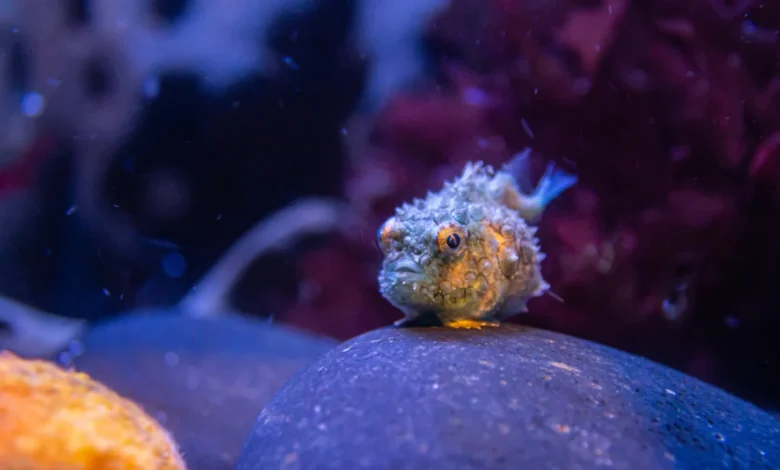
Animals exhibit an astonishing diversity in their physical forms, ranging from the impossibly thin stick insects to the colossal, blubbery whales. Yet, truly round animals are a comparative rarity, especially on land. While marine environments host a greater abundance of spherical creatures, the reasons behind this prevalence and the scarcity of their terrestrial counterparts remain a fascinating evolutionary puzzle.
The Illusion of Roundness on Land
At first glance, the notion of roundness in terrestrial animals might seem commonplace. Small mammals, such as rabbits and pikas, often appear somewhat spherical when they fluff up their fur and settle into a resting posture. However, as Chris Law, an evolutionary biologist at the University of Washington in Seattle, explains, this perception is largely an illusion. The rounded appearance is often a temporary state, a result of fur or posture rather than an inherent, consistently spherical body plan. This distinction is crucial when defining what constitutes a "round animal" in a biological context.
Defining the "Roundest" Animal: A Matter of Perspective
The question of which animal is the "roundest" is not as straightforward as it might seem. Biologists often consider animals that maintain a spherical or near-spherical shape for extended periods, or whose primary mode of defense involves adopting such a form. In this regard, certain marine invertebrates and larval stages of some animals often come to mind.
One frequently cited example of a strikingly round animal is the pufferfish (family Tetraodontidae). When threatened, these fish can rapidly ingest water or air, inflating their elastic stomachs to become several times their normal size, transforming into a near-perfect sphere. This dramatic defensive mechanism serves to deter predators by making them too large and spiky (in many species) to swallow. The pufferfish’s ability to achieve such a precise spherical shape is a testament to its specialized physiology.
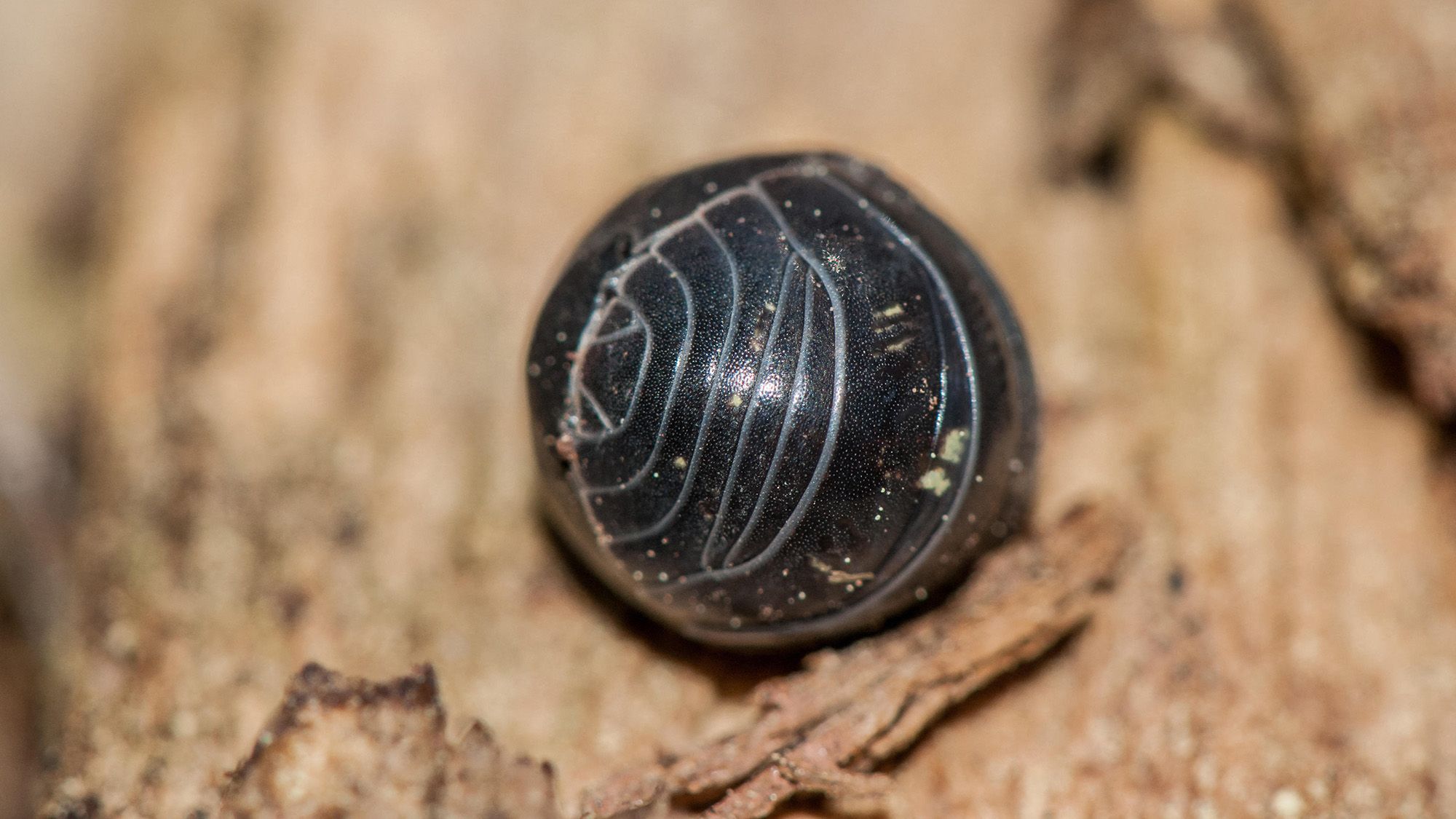
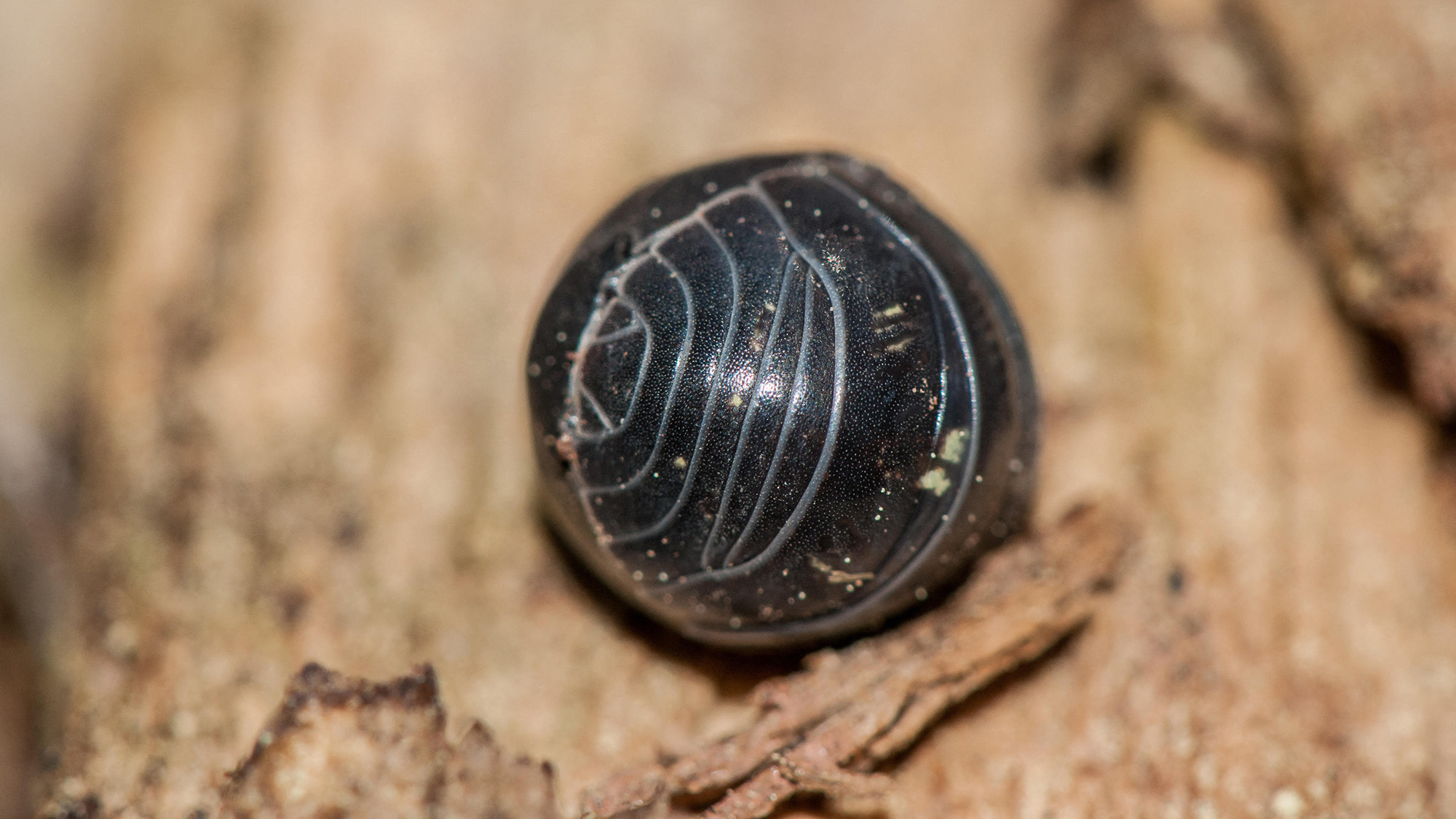
On land, while not perfectly spherical, the pill bug (also known as a roly-poly or woodlouse, order Isopoda) is renowned for its ability to roll into a tight ball. This defensive behavior, called conglobation, is a sophisticated evolutionary adaptation. Unlike the pufferfish’s rapid inflation, the pill bug’s rolling is a deliberate action to protect its vulnerable underside. While their natural resting shape is more elongated, their capacity to adopt a spherical form when threatened makes them a prominent candidate in discussions of roundness.
Other contenders for "roundness" might include certain species of sea urchins, which possess a generally globular body plan, and some jellyfish, whose bells can be quite rounded. However, the pufferfish’s active transformation and the pill bug’s consistent defensive balling-up often place them at the forefront of this discussion.
Evolutionary Pressures Favoring or Discouraging Roundness
The prevalence of round shapes in the ocean compared to land is attributed to a confluence of environmental and biological factors.
Aquatic Environments and Hydrodynamics
In aquatic environments, a more spherical shape can offer certain hydrodynamic advantages. A sphere has the lowest surface area to volume ratio of any shape, which can reduce drag. This is particularly beneficial for organisms that are sessile or slow-moving, as it requires less energy to maintain position in currents. Furthermore, a more uniform shape can distribute pressure evenly, which might be advantageous in the high-pressure environments of the deep sea.
For animals like pufferfish, the spherical shape is a direct defensive strategy. Predators in the ocean often rely on engulfing prey, and a sudden, drastic increase in size and the adoption of a difficult-to-handle shape is a highly effective deterrent. The buoyancy of water also plays a role, making it easier for these animals to manage their inflated forms.
Terrestrial Environments and Locomotion
On land, the challenges of locomotion and the need for efficient movement in three-dimensional space often favor more elongated or streamlined body plans. Limbs for walking, running, or climbing are essential for navigating uneven terrain and escaping predators. A strictly spherical form would make most terrestrial movement incredibly difficult, if not impossible.
The need for appendages for feeding, sensory perception, and respiration also shapes terrestrial animal forms. These structures, by their very nature, tend to break up a perfectly spherical silhouette. Furthermore, gravity exerts a more direct influence on land, requiring robust skeletal and muscular systems that often lead to more complex, non-spherical body structures.
The Biology Behind the Shape
The development of a round body plan, or the ability to adopt one, is rooted in specific biological mechanisms.
- Musculature and Skeletal Structure: For animals like the pufferfish, specialized muscles surrounding the stomach and the ability to rapidly expand their bodies are key. Their skeletal structure is adapted to accommodate this rapid inflation. Pill bugs, on the other hand, possess articulated plates on their dorsal side that interlock when rolled, creating a protective shell. Their musculature is adapted for this specific rolling motion.
- Hydrostatic Skeletons: Many invertebrates, particularly in marine environments, utilize hydrostatic skeletons. This means their body shape is maintained by the pressure of internal fluids within a muscular body wall. This allows for a degree of flexibility and the potential for dramatic shape changes, including achieving a more rounded form.
- Defensive Adaptations: The evolutionary driver for roundness is often defense. The ability to present a less vulnerable profile, to appear too large to eat, or to simply make oneself difficult to grasp are all strong selective pressures that can lead to the evolution of rounded forms or behaviors.
Background and Context: The Evolutionary Journey
The shapes of animals are the product of millions of years of evolution, driven by natural selection. Environmental pressures, such as the availability of food, the presence of predators, and the physical characteristics of their habitat, all play a crucial role in shaping an organism’s form.
The divergence between aquatic and terrestrial life has been a significant factor. As life moved from the oceans to land, animals had to adapt to new challenges: supporting their own weight against gravity, breathing air, and conserving water. These adaptations often led to the development of more complex skeletal systems, limbs, and a less uniformly rounded morphology.
Supporting Data and Scientific Observations
Studies in evolutionary biology and biomechanics provide further insight. Research on the fluid dynamics of different animal shapes has shown that while a sphere minimizes drag, it is not always the most efficient shape for active propulsion. For animals that need to move quickly and maneuver, elongated or fusiform (torpedo-shaped) bodies are often favored.
The development of specialized sensory organs, such as eyes and olfactory receptors, also influences body shape. These organs are often positioned to maximize their effectiveness, leading to protrusions or specific arrangements that deviate from a perfect sphere.
Broader Impact and Implications
The study of animal shapes, including the rarity of truly round terrestrial animals, offers valuable insights into the principles of evolutionary adaptation. It highlights how organisms are sculpted by their environments and the selective pressures they face.
The unique adaptations of animals like the pufferfish and pill bug serve as remarkable examples of nature’s ingenuity in problem-solving. Their ability to transform or adopt specific shapes for survival underscores the intricate relationship between form and function in the biological world. Understanding these adaptations can also inform fields such as robotics and engineering, inspiring the design of more adaptable and resilient machines.
Future Research and Unanswered Questions
While much is understood about the evolutionary pressures that shape animal forms, there are still avenues for further exploration. Comparative studies of a wider range of terrestrial and aquatic invertebrates could reveal more subtle examples of roundness and the specific conditions that foster it. Additionally, genetic and developmental research could shed light on the precise molecular mechanisms that control body shape determination in different species.
The ongoing quest to understand the diversity of life on Earth continues to reveal fascinating stories of adaptation and evolution, with the seemingly simple question of "what is the roundest animal?" leading us down a complex and illuminating path.