Lauren Speed-Hamilton reveals behind the scenes reality TV secrets and reflects on the complexities of raising a biracial child

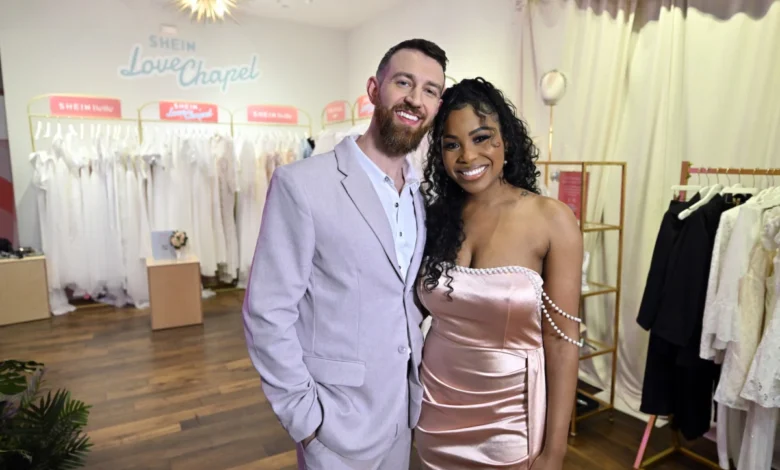
The mechanics of reality television have long been a subject of public fascination, often blurred by the polished aesthetics of high-budget streaming productions. Lauren Speed-Hamilton, one of the breakout stars from the inaugural season of Netflix’s social experiment Love Is Blind, recently pulled back the curtain on the logistical realities of the production, revealing that the glitz and glamour seen on screen are not always as they appear. Speaking on the November 6 episode of Cam Newton’s YouTube series, Speed-Hamilton discussed the stark differences between the perceived luxury of reality television and the practical limitations of early-season production budgets.
The Financial Logistics of Reality Romance
In the modern landscape of dating shows, the stakes are intentionally heightened by the presentation of high-value items, most notably engagement rings. For participants on Love Is Blind, the process of choosing a partner without seeing them requires an immense leap of faith, which the show traditionally cements with a proposal and a physical token of commitment. However, Speed-Hamilton, who accepted a proposal from Cameron Hamilton in 2018, noted that the reality of those early days was less opulent than audiences might have assumed.
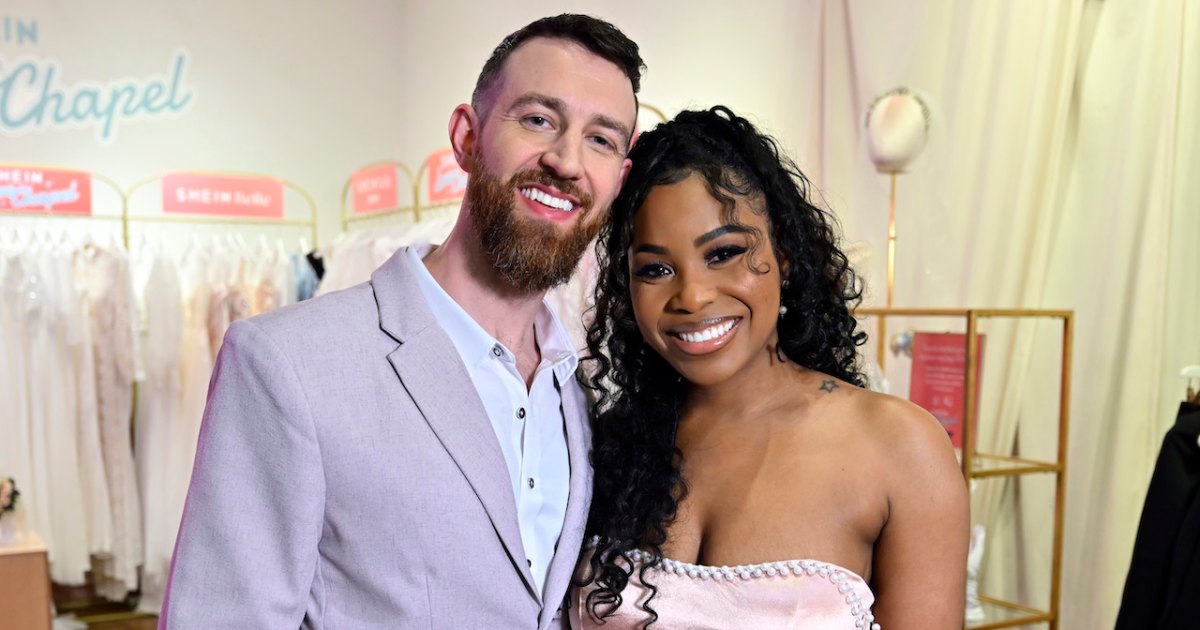
"The show pays for the weddings, they pay for the dresses, they pay for the rings," Speed-Hamilton explained during her conversation with Newton. "I think they have real rings now, but mine was not." She recounted a specific incident during the production where the quality of the jewelry failed to withstand the pressures of the filming environment. "The diamond fell out, and it turned green when I got in the pool," she recalled, highlighting the stark contrast between the show’s narrative demands and the actual materials provided.
This admission offers a rare glimpse into the production value shifts that have occurred as the genre has matured. In the years since the show’s 2020 premiere, the influence of brand partnerships and increased production budgets has significantly altered the caliber of props used. Industry analysts have observed that as reality dating shows become cultural cornerstones, the integration of legitimate high-end jewelry partners has become a standard practice, ensuring that the visual narrative remains untarnished by technical failures.
A Chronology of a Reality TV Success Story
The marriage of Lauren Speed-Hamilton and Cameron Hamilton remains one of the few enduring success stories to emerge from the Netflix experiment. Their timeline reflects a rapid, yet deliberate, progression that captured the attention of millions of viewers:

- 2018: The couple meets and becomes engaged in the pods during the filming of the inaugural season of Love Is Blind.
- 2018: The couple weds in the show’s finale, maintaining their relationship in the public eye post-production.
- 2020: The show premieres on Netflix, catapulting the couple to national prominence as they document their life together.
- 2025: The couple welcomes their first child, a son named Ezra, marking a new chapter in their public journey.
- 2026: Speed-Hamilton continues to provide insight into their life, focusing on the intersection of fame, family, and cultural identity.
Their transition from reality television contestants to long-term partners has been marked by a commitment to transparency. Unlike many of their peers who utilized the platform for temporary visibility, the Hamiltons have utilized their influence to engage in discussions regarding interracial marriage, the evolution of their careers as influencers, and the realities of modern parenthood.
The Intersection of Race, Identity, and Parenting
Beyond the technical discussions regarding the show’s production, Speed-Hamilton’s interview touched upon the more profound challenge of navigating identity within an interracial household. As a Black woman married to a white partner, the couple has engaged in ongoing, candid dialogues regarding the upbringing of their son, Ezra.
Speed-Hamilton revealed that the complexities of raising a biracial child were a topic of discussion long before Ezra was born. "Back before we even had children, this is one of the first conversations that me and Cam had while we were on the show," she shared. "I had a moment where I actually broke down and cried. I was like, ‘You know, I don’t want him to go through feeling like he doesn’t belong anywhere.’"
This concern highlights a common apprehension among parents in interracial relationships—the fear that their children may face a sense of displacement. Speed-Hamilton articulated a desire to provide her son with a sense of cultural grounding, particularly regarding his Black identity. She acknowledged that while her husband has been an unwavering partner, there are inherent differences in their life experiences.
"Just with him growing up being a Black boy, a biracial boy, there are some things that Cam won’t be able to relate to because he’s not Black," she stated. "He hasn’t had a Black experience. He didn’t grow up being afraid of the police pulling him over."
Establishing a Support Network
To bridge the gap in lived experience, the couple has been intentional about building a network of influence for their son. Speed-Hamilton emphasized the importance of mentorship and the presence of Black male role models in Ezra’s life. Since the passing of her father, she has relied on her brother and her father’s brother to step into a grandfather-like role.

"We’ve all sat down and been like, ‘He needs to have these Black men leading him in areas that can teach him those things,’" she explained. This strategy reflects a broader trend among parents navigating multiracial identities: the realization that while the nuclear family unit is the foundation, a wider community of support is necessary to provide the child with a holistic understanding of their heritage and the societal realities they may encounter.
Broader Implications for Reality Television
The candor displayed by Speed-Hamilton speaks to a shifting dynamic in how reality television stars relate to their audience. Historically, participants were bound by strict non-disclosure agreements and a pressure to maintain a "perfect" image. However, as the industry evolves, there is an increasing demand for authenticity. When a star like Speed-Hamilton speaks openly about the failures of production-provided jewelry or the deep-seated anxieties of motherhood, it humanizes the medium.
From an industry perspective, these revelations do not necessarily harm the brand of the show; rather, they align with the current appetite for "behind-the-scenes" narratives. Audiences are increasingly savvy, understanding that reality TV is a constructed product. By discussing both the superficial flaws (the ring) and the substantive challenges (parenting), Speed-Hamilton maintains a level of trust with her audience that few reality stars are able to cultivate over such a long period.

As for the future of their family, the couple remains committed to these frank conversations. By acknowledging the cultural gaps in their marriage and addressing them proactively, they provide a blueprint for other couples facing similar dynamics. The focus on providing their son with a well-rounded identity, supported by family members who can offer perspective on the Black experience, suggests that their approach to parenting is as intentional as their approach to building their life together.
In conclusion, the experiences of Lauren Speed-Hamilton offer a dual lesson: the material world of reality television is often a facade that evolves with the show’s commercial success, but the personal lives of the people behind those stories remain rooted in complex, universal human experiences. Whether it is the durability of an engagement ring or the weight of raising a child in a racially conscious society, the Hamiltons’ willingness to navigate these issues publicly continues to define their impact on the cultural landscape.
Related posts: