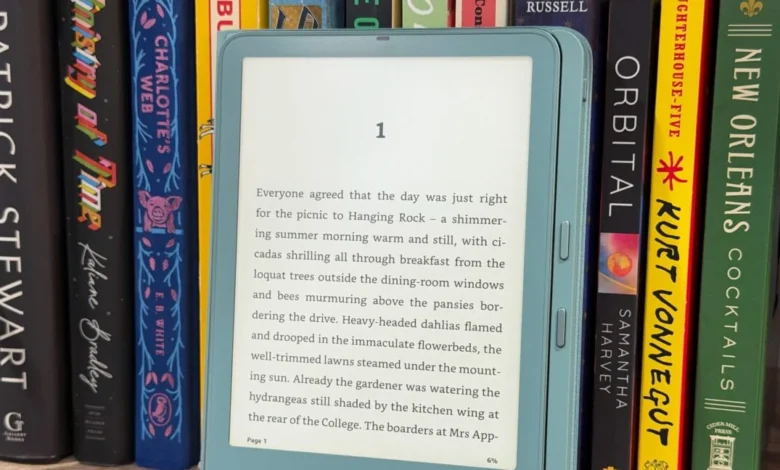
The Evolution of the Kindle Pricing Paradigm
Over the past five years, the consumer electronics sector has undergone a significant transformation. Global supply chain disruptions, coupled with sustained inflationary pressures, have fundamentally altered the pricing strategy for personal gadgets. In this environment, the "more for less" promise of the mid-2010s has effectively evaporated. Evidence of this trend is pervasive: a Raspberry Pi now commands a premium price that would have been unthinkable a few years ago, and Amazon’s Kindle line has followed suit.
The 2026 Kindle release cycle serves as a case study for this trend. A consumer looking at the current lineup might notice that the entry-level Kindle now commands a price of $150, a significant jump from its predecessors. More tellingly, the 2024 Paperwhite, which retailed for $160, arguably outperformed the 2026 base model in critical categories such as display quality, lighting, and environmental resistance. This suggests that the cost of entry for a "quality" reading experience has increased by nearly 30 percent in a span of just two years, while the features included in the base models have stagnated or, in some instances, regressed.
Chronology of Kindle Hardware Development (2018–2026)
The trajectory of the Kindle series reflects a transition from mass-market accessibility to a segmented, tiered ecosystem.
- 2018: The Kindle Paperwhite established a standard with a 6-inch, 300 PPI display and IPX8 waterproofing, setting a benchmark for the mid-range market at $130.
- 2021: Amazon introduced warm light technology and moved to USB-C charging, marking a significant quality-of-life update. The 6.8-inch display became the new standard for the Paperwhite line.
- 2024: The refinement phase saw the introduction of a 7-inch display and improved lighting uniformity. However, prices began to climb, signaling the end of the aggressive value-driven pricing of the previous decade.
- 2026: The current generation marks a divergence. The Signature Edition pushes the price to $250, while the base models focus on industrial design—such as the flush-front display—at the expense of previously standard features like wireless charging, which has been removed from the 2026 Signature Edition.
Hardware Analysis and Design Shifts
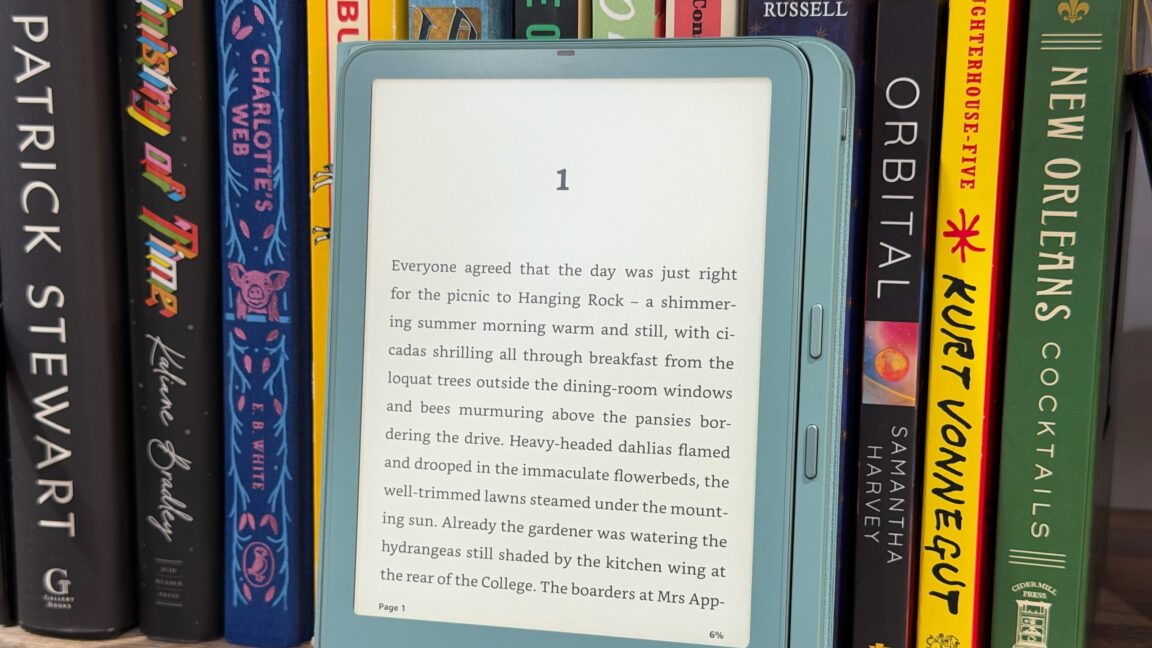
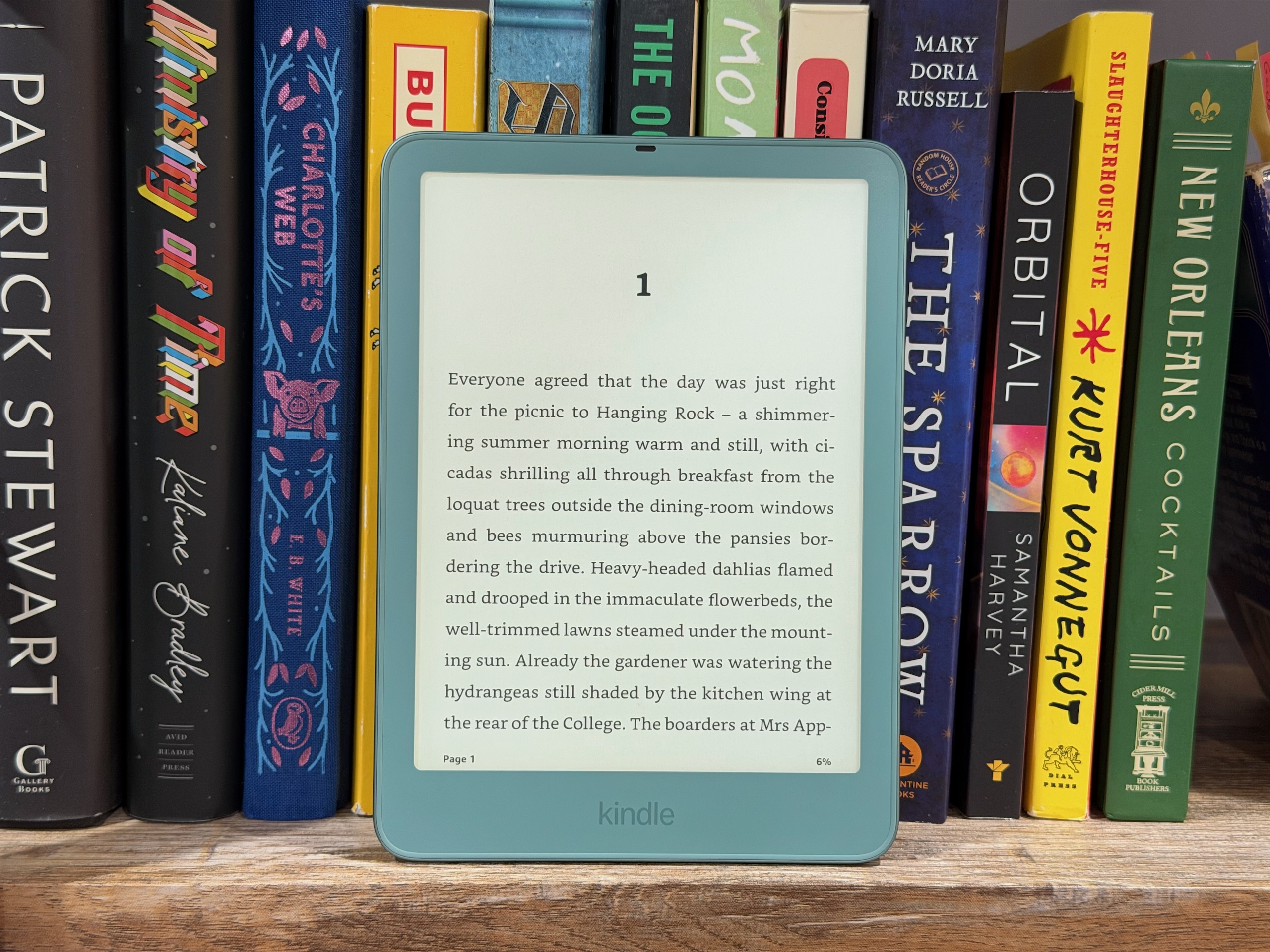
The most prominent change in the 2026 hardware is the aesthetic and structural refinement. Amazon has moved toward a more unified design language across the portfolio. The base 2026 Kindle now features a flush-front screen—a design previously reserved for the Paperwhite and Oasis models. This change, while visually appealing, does not mask the reality that the base model lacks the advanced warm-light sensors and the waterproofing that consumers had grown accustomed to at lower price points.
One of the more pragmatic updates in the 2026 hardware is the relocation of the power button. Historically, Amazon placed this button on the bottom edge of the device, leading to frequent accidental power-offs when resting the Kindle on a table or in a stand. The move to the top-right edge is a minor but universally praised ergonomic correction.
Furthermore, in response to global "Right to Repair" legislation, the 2026 models feature user-replaceable batteries. This is a significant pivot for a company that has historically favored glued-together, non-serviceable enclosures. While this complicates the internal design, it aligns the hardware with emerging regulatory requirements in the European Union and several U.S. states, potentially extending the total lifespan of the devices for users willing to perform basic maintenance.
The Return of Page-Turn Buttons via Modular Accessories
Perhaps the most controversial aspect of the 2026 launch is the return of physical page-turn buttons. Long-time Kindle users—specifically those who favored the now-discontinued Oasis model—have been vocal about the ergonomic superiority of physical buttons over touch-screen navigation.
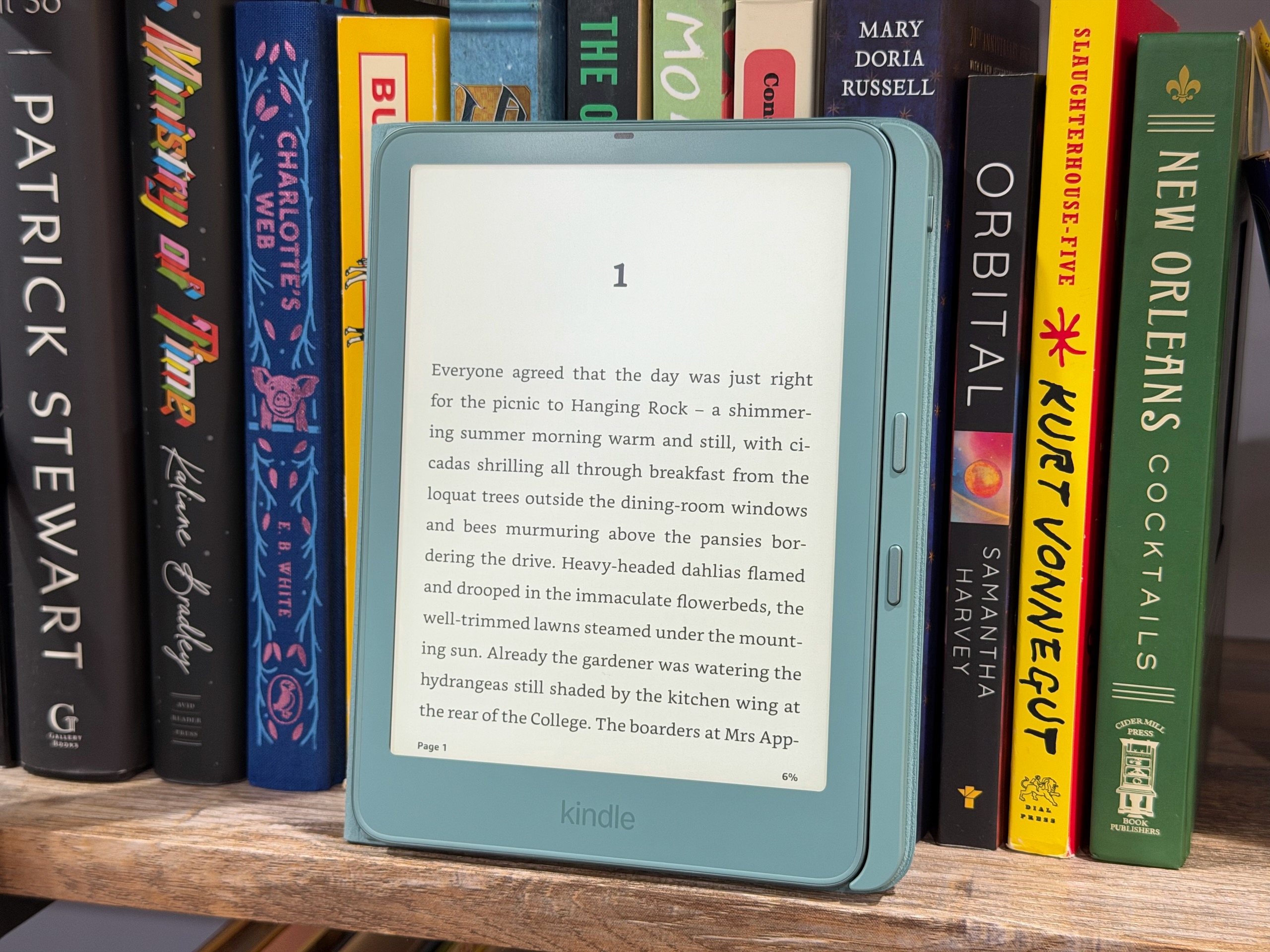
Amazon’s solution for 2026 is a modular approach. The Paperwhite Signature Edition now includes copper contact points on the rear of the chassis. These pogo pins allow for the attachment of a "Page Turn Cover." While this effectively returns the physical button experience to the Kindle, the cost structure is prohibitive for many. The Signature Edition starts at $250, and the required cover adds an additional $80, bringing the total cost to $330.
This modular strategy reflects a broader trend in consumer tech: "a la carte" hardware. By offloading the cost of specialized features—like buttons or specialized charging stands—to external accessories, Amazon can keep the advertised price of the core device lower while extracting higher total margins from power users.
Software Support and Ecosystem Lock-in
The 2026 Kindle OS, specifically version 5.20.1.0.2, introduces a new, remote-control-style accessory called the "Kindle Click." This device allows for wireless page turning, but its compatibility is strictly limited to the 2026 models and the 2022 Kindle Scribe.
This fragmentation of the software ecosystem is a point of contention for long-term users. In 2024, Amazon provided software updates that maintained parity across devices dating back to 2018. The 2026 update cycle suggests a more restrictive approach, where older hardware is being systematically phased out of the latest software features. This "planned obsolescence" by software limitation is a standard industry practice, but it feels particularly aggressive in the context of the Kindle, a device typically intended for multi-year use.
Economic Implications for the Consumer
The central tension of the 2026 Kindle launch is the gap between the perceived value of the product and the actual cost of acquisition. When a $150 device lacks the features that were available on a $140 device five years ago, the consumer is effectively paying a "convenience tax" for the updated industrial design.
For the average reader, the most logical advice in the current market is to consider the secondary or refurbished market. The 2024 Paperwhite, which remains a highly capable device, currently holds a better value-to-performance ratio than any of the 2026 models. As long as supply remains, the 2024 units offer the 7-inch display, waterproofing, and warm light features that many are now finding gated behind the $200+ price point of the newer models.
Industry Reactions and Future Outlook
While Amazon has not issued a formal statement regarding the price hikes, analysts suggest that the company is shifting its focus from hardware as a loss-leader (or break-even device) to a profit-generating segment. Historically, Amazon relied on the Kindle to drive content sales in the Kindle Store. With the digital book market now mature and the user base saturated, the hardware itself is being repositioned as a premium consumer electronic product.
This shift has consequences for the broader e-reader market. Smaller competitors, such as Kobo or Boox, have historically competed by offering "more features for less money." However, they too are feeling the pressure of rising component costs. The 2026 Kindle launch effectively sets a new price floor for the industry, signaling to competitors that there is room to increase prices without alienating the core user base.

Ultimately, the 2026 Kindle lineup is a masterclass in modern hardware segmentation. The devices are technically superior to their predecessors in terms of build quality and responsiveness, but they arrive at a time when the consumer’s wallet is under significant pressure. Whether the market will accept this new "pay-to-play" model for features like page-turn buttons and premium build materials remains to be seen. For now, the message from Amazon is clear: the era of the inexpensive, feature-rich e-reader has passed, replaced by a tiered system that rewards those willing to pay a premium for incremental refinement.