Chronology of the In-Flight Incident
The sequence of events began shortly after the passengers had boarded and the cabin doors were secured. Delta Air Lines, which permits the transportation of small pets such as cats, dogs, and household birds in the main cabin, requires that these animals remain inside an approved, ventilated kennel at all times. The kennel must be stored securely beneath the seat directly in front of the passenger.
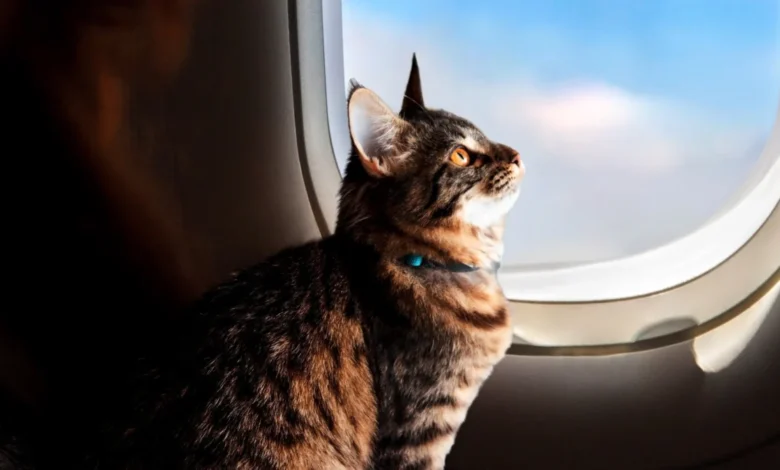
At approximately 7:00 a.m., while the aircraft was in the process of taxiing, the cat successfully breached its carrier. Upon realizing the animal was at large within the cabin, the flight crew followed standard safety protocols. The pilot immediately halted the aircraft’s progression toward the runway, prioritizing the safety of both the passengers and the animal. A loose pet in the cabin poses a significant safety concern; beyond the potential for minor disruptions, there is a risk that an animal could interfere with cabin equipment, scratch passengers, or become lodged in areas of the plane that are inaccessible to the crew.
The pilot communicated the situation to the Air Traffic Control (ATC) tower at Boston Logan, stating, "We had a cat loose in the cabin." The ATC operator responded with a moment of levity, acknowledging the unusual nature of the report with a lighthearted, "That is a new one… Have a good day, meow." Following the identification of the escapee, the owner was able to retrieve the cat and return it to its carrier. Once the animal was deemed secure, the flight resumed its taxi and successfully departed for Tampa.
Regulatory Framework and Airline Pet Policies
The incident highlights the complexities of transporting live animals on commercial aircraft. Delta Air Lines, like most major U.S. carriers, maintains stringent regulations regarding pet travel. According to Delta’s current pet policy, passengers are permitted to carry small pets in the cabin for a fee, provided the pet is at least 10 weeks old for domestic travel and remains in a carrier for the duration of the flight.
The failure of the carrier to contain the cat on Flight 2706 raises questions regarding the industry-wide standards for travel crates. While the Federal Aviation Administration (FAA) sets general guidelines for cabin safety, the responsibility for securing an animal rests primarily with the passenger. Industry experts note that "breakouts" are rare but do occur when carriers are not properly latched, or when animals become distressed due to the high-stimulus environment of an airport and a pressurized aircraft cabin.
Data from the Department of Transportation (DOT) indicates that while millions of animals are transported annually in the United States, incidents involving escapes are statistically infrequent. However, when they do occur, they necessitate immediate action to avoid delays. In this instance, the quick resolution by the flight crew ensured that the impact on the flight schedule was minimal, and the aircraft arrived in Tampa on time.
The Psychology of Animal Travel Stress
Veterinary behaviorists suggest that air travel is a significant stressor for domestic cats. Unlike dogs, which may be more accustomed to varied environments, cats are highly territorial and sensitive to changes in their surroundings. The transition from a home environment to a carrier, followed by the sensory overload of a terminal, engine noise, and cabin pressure changes, can lead to heightened anxiety.
Experts advise that owners take several steps to mitigate these risks. These include "carrier training" weeks before the flight, where the cat is encouraged to spend time in the kennel with positive reinforcement, such as treats or familiar blankets. Furthermore, ensuring that the carrier is made of sturdy, airline-approved material with double-locking mechanisms is essential. In cases of severe travel anxiety, some veterinarians may recommend mild sedation, though this must be discussed with a professional, as high-altitude travel can sometimes exacerbate the effects of certain medications on an animal’s respiratory system.
Broader Implications for Airline Security and Logistics
While the "Florida Cat" incident resulted in no injuries and minimal delay, it serves as a reminder of the logistical challenges flight crews face when managing non-human passengers. Airlines are increasingly focused on improving the passenger experience, but safety regulations remain the priority. The potential for a "rogue" pet to cause a flight delay—which can have a cascading effect on an airline’s operational efficiency—is a factor that keeps operations teams on high alert.
Furthermore, the incident underscores the distinction between pets and service animals. While service animals are trained to remain calm and attentive to their handlers in high-stress environments, pets do not undergo such training. The increase in pet travel post-pandemic has prompted many airlines to review their cabin policies to ensure that the presence of pets does not compromise the comfort or safety of other passengers, particularly those with allergies or phobias.
Public Reaction and the "Florida" Narrative
The incident gained traction in news cycles partly due to the geographic irony involved. Florida has developed a unique cultural reputation, often amplified by social media, for unusual news events involving both humans and wildlife. The narrative of a "Florida Cat" mimicking the chaotic energy associated with the state’s human-interest stories provided a humorous counterpoint to the typically rigid and stressful nature of modern air travel.
Despite the brief disruption, there have been no indications that the airline or the FAA will impose penalties on the passenger or the pet. In fact, the incident was handled with professional courtesy, as evidenced by the interaction between the flight crew and the ATC. The cat’s safe arrival in Tampa signifies a successful conclusion to an event that could have potentially resulted in a return to the gate or a more significant diversion.
Conclusion: Safety First in the Cabin
The incident on Delta Flight 2706 serves as a case study in effective crew management and the importance of adhering to pet transport protocols. While the event was characterized by the media as an adorable breakout, it is a sobering reminder that aircraft cabins are highly regulated environments where safety is the paramount concern. For pet owners, the lesson is clear: the integrity of a pet carrier is the only barrier between a peaceful flight and an operational disruption.
As air travel continues to normalize and the number of travelers flying with their pets increases, airlines will likely continue to emphasize the necessity of strict compliance with carrier requirements. For the feline involved in this incident, the journey concluded without further incident, and it is presumed that the cat has returned to its normal, domestic routine in Florida, far from the reach of cabin doors and airport tarmacs. The brief moment of freedom, while amusing to observers, serves as a testament to the unpredictable nature of live cargo and the vigilance required by flight crews to keep the skies safe for all passengers, regardless of species.