The Hunting Wives Season 2 Resurrects Departed Characters Through Strategic Narrative Devices

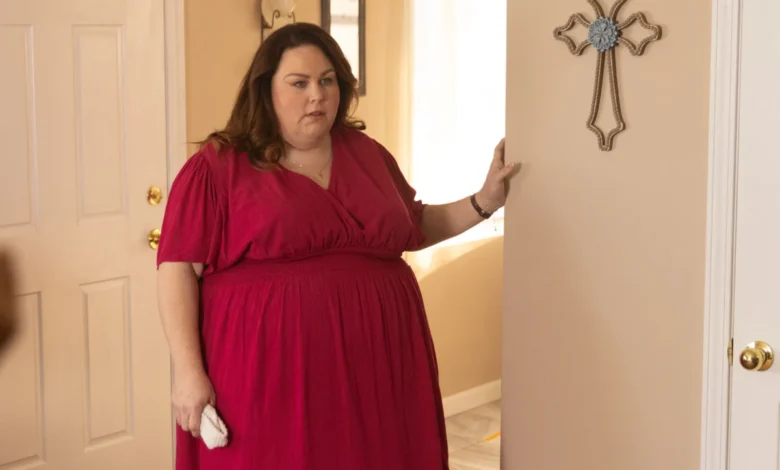
The second season of the high-stakes thriller The Hunting Wives, which premiered on streaming platforms on Thursday, November 26, has adopted a complex narrative structure that defies the finality of death. Despite a high body count in the inaugural season, the creative team behind the series has utilized flashback sequences and dream-state manifestations to reintegrate pivotal characters, most notably Starr, portrayed by Chrissy Metz, and Jill, played by Katie Lowes. This structural decision has sparked conversation among the show’s dedicated fanbase and has provided the actors involved with an unexpected opportunity to deepen the psychological underpinnings of their roles.
A Chronology of Narrative Departures and Returns
In the landscape of modern television, the "death" of a character often signals the end of an actor’s contract. However, The Hunting Wives has leaned into a non-linear storytelling approach to maintain the momentum of its primary character arcs. For audiences who followed the intense events of Season 1, the return of Starr—a character defined by her desperate attempt to avenge her daughter’s death—was a point of significant intrigue.

The chronology of these characters’ arcs began with their central conflicts in Season 1, where the group dynamics of the titular "hunting wives" served as the primary catalyst for the show’s suspense. As the narrative transitioned into Season 2, the showrunners opted to use the memories and unresolved trauma of the surviving cast as a bridge to the past. By weaving these flashback sequences into the current timeline, the show provides context for the motivations that drove these women to extremes. For Metz, the return was as much a surprise to her as it was to the audience. The actress has noted that while she was aware of the importance of backstory in television, she did not initially anticipate that her character would be revisited in a meaningful capacity after the events of the first season.
Thematic Depth and Character Motivation
The character of Starr has resonated with viewers largely due to her divergence from the established archetype of the show’s social circle. Within the narrative, Starr functions as an outsider who has been systematically alienated from the "mom group" or clique that defines the show’s primary antagonists. Metz has spoken at length about the dichotomy between Starr’s history with the group and her current position as a pariah.
"There is a lot to uncover and discover with her," Metz remarked in a recent interview. She emphasized that the show’s depiction of these women is intentionally unflattering, framing them as a toxic collective. The dynamic creates a compelling tension: Starr, who is no longer a part of the inner circle, occupies a moral space that is largely defined by her rejection of the group’s behavior. This exclusion is not a source of longing for her, but rather a point of clarity. By exploring these interactions, the series manages to provide a social critique of group dynamics, highlighting the alienation often felt by those who refuse to conform to the expectations of such high-pressure social structures.

The Industry Standard of Flashbacks and Non-Linear Storytelling
The use of flashbacks is a well-documented narrative device in television, particularly within the thriller and drama genres. By employing this technique, productions like The Hunting Wives can maintain the presence of high-profile actors while simultaneously expanding the lore of the series. Data from industry analysts suggests that shows which utilize non-linear timelines often see higher engagement rates, as they require viewers to pay closer attention to continuity and character development.
Furthermore, the renewal of The Hunting Wives for a third season suggests that the creative team is successfully managing the balance between serialized mystery and character-driven drama. For Metz, the extension of the series is a testament to the audience’s investment in these characters. "To keep anything going is a miracle," she stated, reflecting on the competitive nature of the streaming market. She believes that the audience’s attachment to Starr stems from the character’s authenticity—a trait that remains consistent even when viewed through the fragmented lens of a flashback.
Beyond the Hunting Wives: Metz’s Current Professional Trajectory
While her time on The Hunting Wives remains a highlight of her recent work, Chrissy Metz has continued to expand her portfolio with the Apple TV series Nocturne. This role marks a departure from the high-octane drama of The Hunting Wives, shifting into a more grounded, yet equally intense, investigative thriller format.
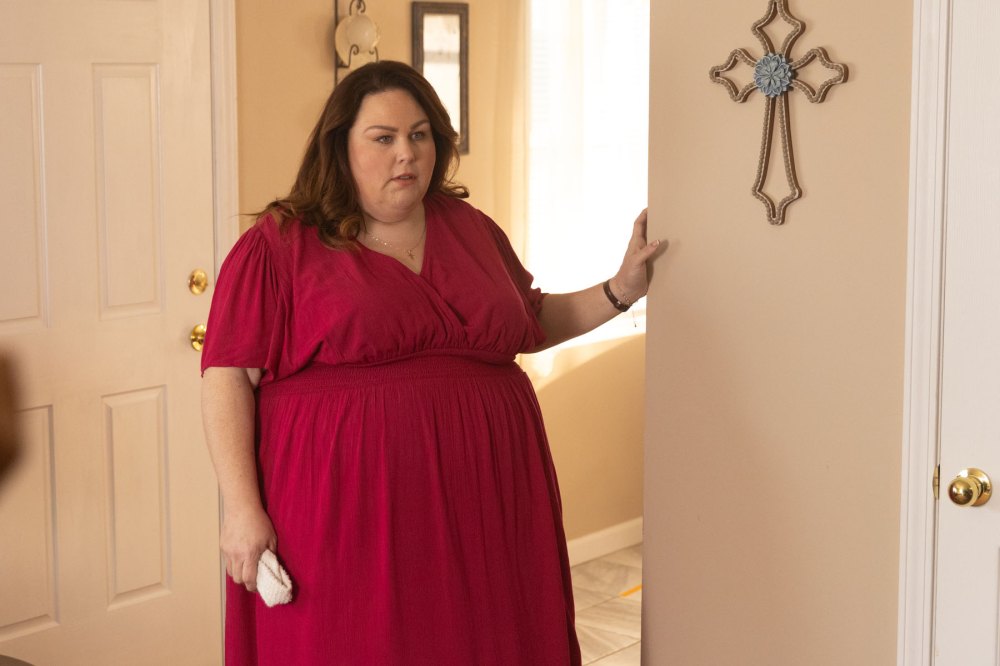
Nocturne centers on a former homicide detective who relocates to a small Pennsylvania town, only to be drawn into a case involving an imprisoned serial killer. The narrative focuses on the trauma experienced by the family of the protagonist, Ida, played by Metz. The show addresses the complexities of a mother navigating the return of a son while grappling with the disappearance of a daughter.
This role has allowed Metz to tap into her own personal history to provide a layer of realism to the character. Having been raised by a single mother, Metz noted that she deeply understands the socio-economic pressures of living paycheck-to-paycheck—a reality that defines her character in Nocturne. "I gravitate toward those women and those characters and the stories because they don’t get told enough," she said. Her focus on "feeling seen and heard" has become a hallmark of her career choices, ensuring that even in genre-heavy shows like The Hunting Wives or Nocturne, the emotional stakes remain rooted in human experience.
Broader Implications and Future Projections
The decision to bring back characters like Starr and Jill in The Hunting Wives serves several strategic purposes. First, it allows the writers to fill in plot holes that were left open at the end of the first season. Second, it serves as a reward for long-term viewers who have invested in the character journeys. Finally, it provides a buffer for the narrative, allowing the show to sustain its tension without having to immediately replace the depth provided by the original ensemble.

As the industry moves toward more inclusive and nuanced storytelling, the importance of characters who reflect real-world struggles—even in the context of a thriller—cannot be overstated. The success of both The Hunting Wives and Nocturne suggests that audiences are increasingly drawn to narratives that value character history as much as plot progression.
Looking toward the upcoming third season of The Hunting Wives, there is an expectation that the series will continue to explore the mysteries surrounding the core cast. Whether this involves further flashbacks or new, inventive ways to integrate the past into the present remains to be seen. However, the current trajectory indicates a commitment to maintaining the show’s reputation for shocking, yet character-focused, television.
In summary, the narrative evolution of The Hunting Wives demonstrates the power of utilizing past events to inform future developments. By keeping integral characters like Starr within the fold, the series ensures that the emotional stakes of the initial season are never truly lost, but rather transformed into a foundation for ongoing mystery. With the continued success of its cast in other ventures and a clear path toward a third season, the series remains a significant player in the current television landscape, proving that in the world of serialized drama, a character’s exit is rarely the end of their influence. As the production team prepares for the next phase of the show, fans can expect that the lessons learned from the first two seasons will continue to shape the intricate, and often dangerous, world of the hunting wives.