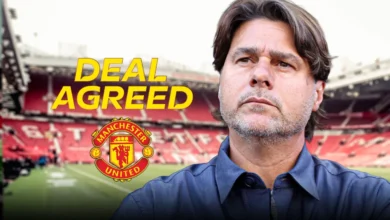
The landscape of professional football is bracing for a volatile January transfer window, with Manchester United leading the discourse as they grapple with a precarious position in the Premier League table. While the club prepares to navigate a restrictive financial environment, other major European outfits, including Chelsea and Bayern Munich, find themselves embroiled in internal administrative and player-contract sagas that are drawing significant scrutiny from governing bodies and the wider football community.
Manchester United: A Strategy Defined by Austerity
Manchester United’s transition under Mauricio Pochettino has entered a critical phase. With the club currently fighting to climb out of the lower reaches of the Premier League table, the internal mandate for the January transfer window is one of calculated pragmatism. Reports indicate that Pochettino will be working with a budget of less than £50 million, a figure that severely limits the club’s ability to conduct a major squad overhaul.
Strategically, the recruitment team has shifted its focus. Brentford’s Nathan Collins has emerged as a primary defensive target, leapfrogging other options in the hierarchy. The decision to pursue Collins comes as Calvin Bassey is expected to commit his long-term future to Fulham, and Jarrad Branthwaite’s valuation—reportedly exceeding £70 million—remains a prohibitive barrier for a club operating under strict fiscal constraints.
The priority for the club remains clear: a striker is essential to provide the necessary offensive output to spark a resurgence. Additionally, the void at left-back, which was left unaddressed during the summer, continues to plague the squad. Alejandro Balde of Barcelona and Rayan Ait-Nouri of Manchester City have been identified as potential solutions to provide cover for Luke Shaw. Given the budget limitations, the club is reportedly prepared to limit its activity to just two signings, with the possibility that one of those deals could be a short-term loan to mitigate immediate costs.
Chelsea and Tottenham: Contractual Stability and Ambition
In contrast to the turbulence at Old Trafford, Chelsea remains focused on long-term project stability. Despite an underwhelming start to the campaign that has invited external criticism, the club’s leadership remains firmly behind manager Xabi Alonso. The board appears committed to a period of continuity, signaling that they are willing to weather the current results to allow the manager’s philosophy to take root.
Meanwhile, across London, Tottenham Hotspur is moving to secure the future of one of their most promising prospects. Luca Williams-Barnett, the teenage wonderkid whose recent breakthrough into the first team has captured the attention of the league, is on the verge of signing a long-term contract extension. The deal is seen as a major defensive move by Spurs, effectively warding off interest from Chelsea and Borussia Dortmund, both of whom had been monitoring the youngster’s rapid development.
European and Global Football Developments
The situation at Bayern Munich has taken a somber turn, with the club facing significant backlash regarding its treatment of star midfielder Jamal Musiala. Following a diagnosis of ‘neurological dysfunction,’ the German giants are reportedly attempting to reduce the player’s wages, a move that has drawn sharp condemnation from FIFA’s players’ union. Critics argue that the club’s attempt to leverage a medical condition to justify salary cuts is ethically questionable and could set a dangerous precedent for player welfare and contract protections across Europe.
On a global scale, the Saudi Pro League is contemplating an expansion of its foreign player quota ahead of the summer transfer window. Such a move would be a clear indicator of the league’s intent to continue its aggressive international recruitment drive, potentially shifting the balance of talent acquisition in the coming months.
Governance and Transparency at FIFA
The spotlight has also turned toward FIFA, following revelations regarding Gianni Infantino’s past proposals for a major restructuring of commercial rights. Investigations by The Telegraph and The Times have highlighted a controversial plan to sell off the commercial rights to FIFA tournaments, a move that could have seen these rights floated on stock exchanges.
The proposal, which was valued at approximately £15 billion, faced immense scrutiny for allegedly risking the surrender of nearly half of FIFA’s commercial autonomy for a period of almost a century. Furthermore, the plan raised significant ethical concerns regarding the potential enrichment of high-ranking executives, adding fuel to the ongoing debate over transparency and governance within football’s world governing body.
Rugby Union: Stability and Disciplinary Hurdles
In the world of rugby, the New Zealand Rugby Union has opted for stability by offering its full support to Dave Rennie as he prepares to lead the All Blacks into the World Cup. This endorsement comes despite a challenging year in which the team suffered five defeats in a single calendar year for the first time since 1998. The decision reflects a belief that Rennie remains the right individual to guide the squad through a period of transition and into the global showpiece event.
Simultaneously, South African rugby finds itself dealing with the fallout from recent disciplinary issues. Assistant coach Mzwandile Stick may face sanctions following comments made regarding Ireland fly-half Sam Prendergast. The potential for disciplinary action mirrors the recent situation involving Rassie Erasmus, highlighting the ongoing tension between coaching staff and the disciplinary protocols of the sport.
Additionally, the sport faces a commercial challenge, with reports suggesting that nearly half of the seats at Twickenham’s Allianz Stadium could remain empty for the opening night of the Nations Championship finals. This potential lack of attendance raises questions about the current appeal of the tournament’s format and the pricing structures for international rugby events.
The Broader Economic Context
The common thread linking these diverse stories is the increasing tension between financial reality and sporting ambition. Whether it is Manchester United’s struggle to find value in a bloated market, Bayern Munich’s controversial approach to wage management, or FIFA’s pursuit of massive commercial influxes, the underlying theme is that the financial structure of professional sports is currently in a state of flux.
The implications for the January transfer window are significant. Clubs across the Premier League are expected to be more selective, favoring loan deals and performance-based contracts to avoid long-term financial commitments that could threaten their compliance with Profit and Sustainability Rules (PSR).
For supporters, the coming months promise to be a period of intense speculation. As clubs look to balance their books while attempting to achieve their seasonal objectives—whether that is avoiding the threat of relegation or securing European football—the decisions made in the boardrooms will be just as consequential as the performances on the pitch. The landscape of 2025 is already taking shape, and the events of the coming weeks will likely set the tone for the remainder of the footballing calendar.
Related posts: