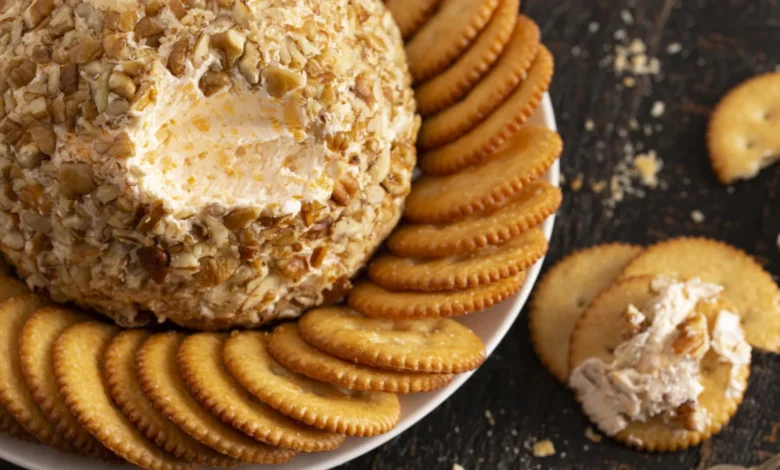
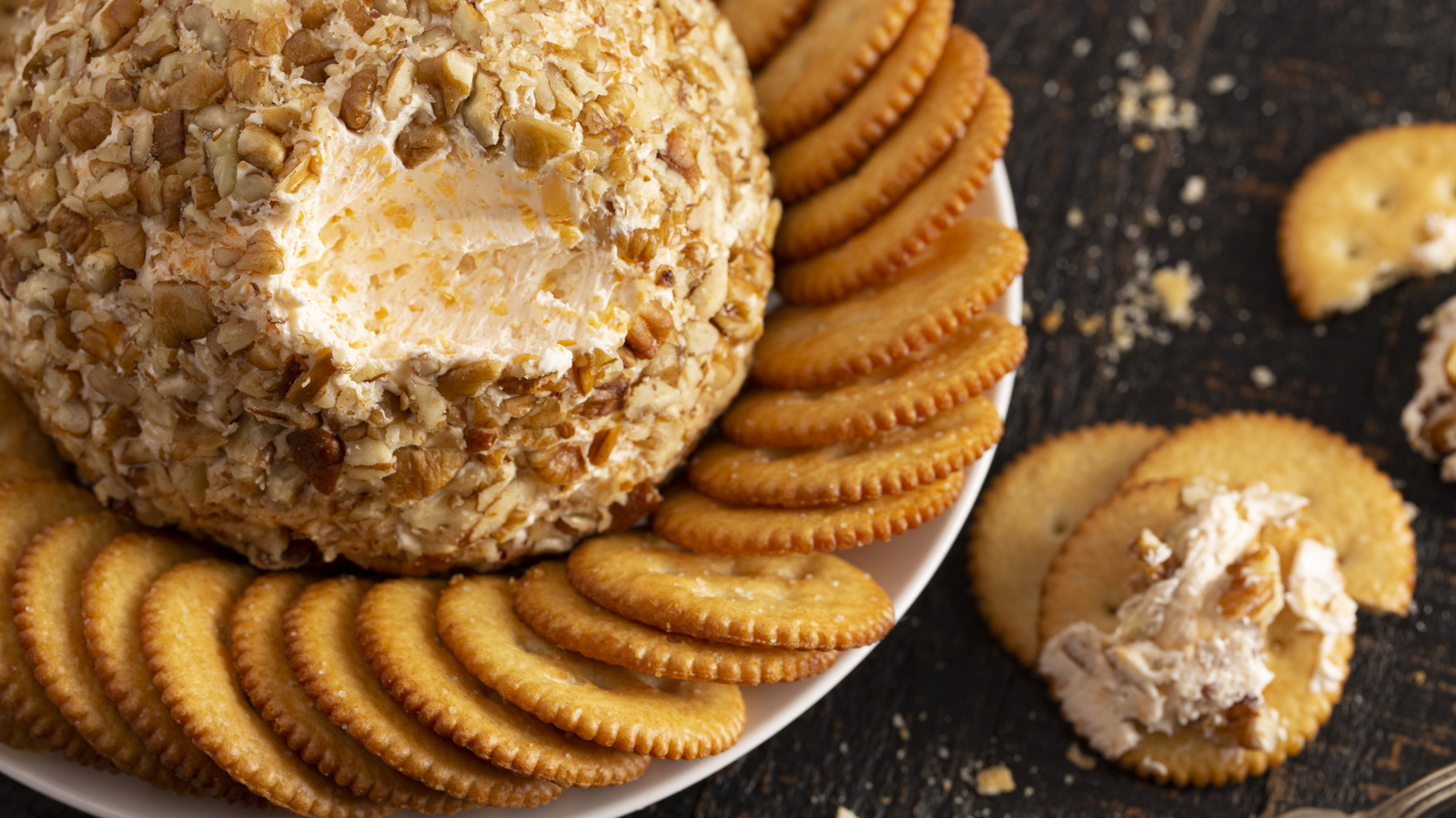
The ubiquitous cheese ball remains a cornerstone of North American celebratory gatherings, anchoring holiday spreads from Thanksgiving through Christmas Eve, alongside wedding showers, cocktail hours, and Super Bowl watch parties. Offering a blend of convenience, visual appeal, and rich flavors, this party staple typically combines cream cheese, sharp cheddars, herbs, and various mix-ins, rolled into a sphere and often coated in nuts, bacon bits, or cracker crumbs. However, a common culinary dilemma consistently follows these festive events: the substantial leftovers. Hosts are routinely left with half-consumed or completely untouched appetizers, prompting critical food safety questions regarding how long these dairy-heavy creations can safely remain in the refrigerator.
Understanding the perishable nature of dairy, food safety experts emphasize that the lifespan of a leftover cheese ball is not indefinite. While consumers might be tempted to graze on holiday remnants for weeks, public health guidelines and culinary science establish strict parameters for dairy consumption post-event.
The Core Timeline: How Long Do Leftovers Last?
Generally speaking, a leftover cheese ball that has already been sliced into and served to guests is safe to consume for approximately three to four days when stored properly in a refrigerator. This window, however, is heavily contingent upon the specific ingredients embedded within the mixture and the environmental conditions it was exposed to during the event.
If the cheese ball incorporates highly perishable mix-ins—such as fresh fruits, chopped vegetables, smoked salmon, or cooked meats like bacon or ham—the safe consumption window shrinks considerably. These ingredients introduce moisture and potential pathogens that accelerate spoilage, reducing the reliable shelf-life to closer to two or three days.
Furthermore, temperature control plays a decisive role in determining safety. Food safety authorities, including the United States Department of Agriculture (USDA), maintain that perishable foods left in the "Danger Zone"—temperatures between 40 degrees Fahrenheit and 140 degrees Fahrenheit—for more than two hours should be discarded. If a cheese ball sat out on a coffee table or buffet line throughout an entire evening gathering, bacterial growth may have rendered it unsafe, regardless of its appearance or smell. As a reliable rule of thumb, the absolute limit for leftover storage is governed either by the expiration date of the ingredient with the shortest shelf-life or a maximum of three to four days, whichever comes first.
Refrigeration and Freezing Best Practices Prior to Serving
For those preparing a cheese ball well in advance of an event, the rules for storage differ significantly from post-event leftovers. An untouched, newly constructed cheese ball wrapped correctly can last in the refrigerator for roughly one to two weeks before its flavor profile and structural integrity begin to degrade.
The choice of exterior coating profoundly impacts this pre-event longevity. A cheese ball coated in robust ingredients like toasted pecans or almonds maintains its structural integrity far longer than one rolled in crushed crackers, pretzels, or moisture-releasing snack dusts like Flamin’ Hot Cheetos, which tend to become soggy and unappealing within 24 to 48 hours. To maximize refrigerator life prior to serving, culinary professionals recommend wrapping the sphere tightly in plastic wrap, followed by a secondary layer of aluminum foil to block out ambient refrigerator odors and prevent drying.
When looking at long-term preservation, freezing offers a viable option for uncooked or untouched cheese balls, extending their lifespan up to three months. However, texture degradation is a notable side effect; high-fat soft cheeses like cream cheese and goat cheese can separate, become crumbly, or develop a mealy texture upon thawing due to the formation of ice crystals. To mitigate this, double-wrapping is essential—first in plastic wrap, then in heavy-duty aluminum foil, placed inside a heavy-duty freezer bag or airtight container. Thawing must be executed slowly by transferring the frozen cheese ball to the refrigerator for approximately six hours before the event, after which any perishable outer coatings or garnishes should be applied fresh.
Managing Post-Event Leftovers: To Freeze or Not to Freeze?
When dealing with leftovers that have already been broken into, the preservation calculus changes dramatically. Unlike untouched preparations, post-event leftovers are more susceptible to cross-contamination from serving utensils, knives, and guests.
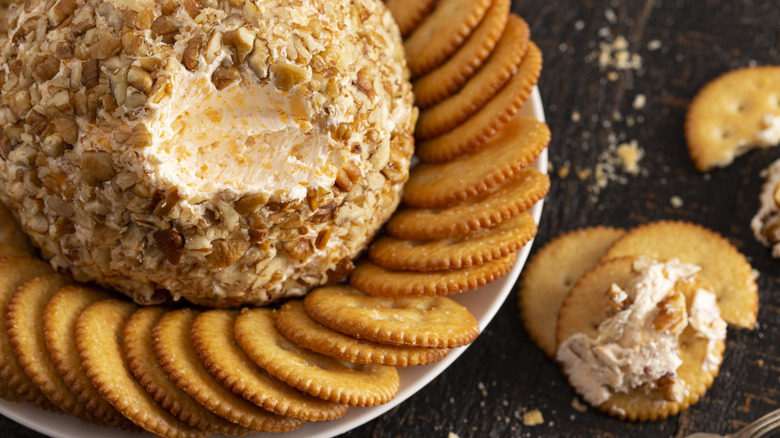
If individuals choose to save leftover portions, the process demands immediate and rigorous sealing. Leftovers should be tightly wrapped in plastic wrap to prevent the cheese from drying out and absorbing competing refrigerator aromas, or sealed within a dedicated airtight container. Storage should take place in the coldest section of the refrigerator, typically near the back or bottom shelves, rather than in the door where temperature fluctuations are frequent.
Conversely, culinary experts strongly advise against attempting to freeze leftover, partially consumed cheese balls. The combination of structural compromise from previous handling, moisture absorption from crackers or surrounding foods, and potential microbial exposure during the event makes freezing post-party leftovers an inefficient preservation method. The resulting texture upon thawing is typically watery, grainy, and unpalatable. Instead, consumers are encouraged to consume leftovers within the recommended three-to-four-day window or discard them safely.
Broader Culinary Implications and Food Safety Standards
The handling of dairy-based party snacks highlights broader issues surrounding food waste and domestic food safety practices. According to data from the Food and Drug Administration (FDA) and various food waste reduction initiatives, perishable dairy products account for a significant percentage of household food waste, often driven by uncertainty regarding date labels and food spoilage indicators.
Public health agencies continue to stress that sensory indicators—such as smell, color, and taste—are unreliable metrics for determining whether a food item is safe from foodborne pathogens like Listeria monocytogenes or Salmonella, both of which can proliferate in dairy environments under improper temperature conditions. Because soft cheeses possess a higher moisture content and lower acidity compared to aged hard cheeses, they provide an ideal breeding ground for bacterial growth if mishandled.
Ultimately, while the festive cheese ball remains a beloved tradition across generations and social gatherings, adherence to strict refrigeration timelines and temperature guidelines remains paramount. By respecting the three-to-four-day limit for leftovers and discarding items that have lingered too long at room temperature, hosts can ensure that holiday hospitality does not inadvertently result in food safety incidents.