Exquisite Gold Bear Artifact Discovered in Kazakhstan Offers New Insights into Ancient Nomadic Fashion and Culture

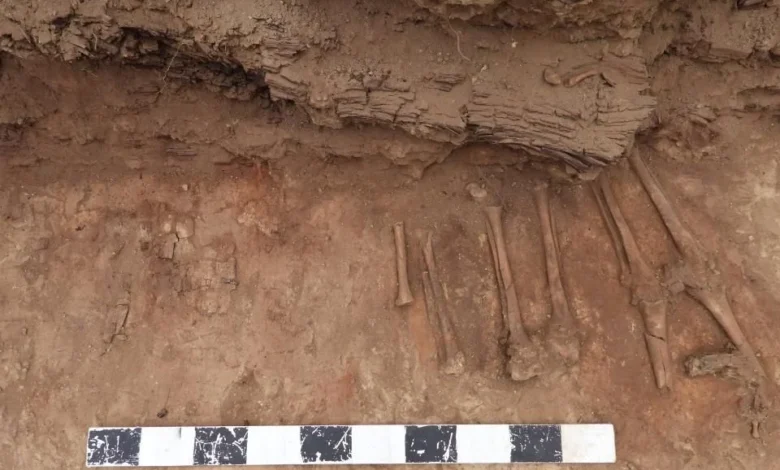
Archaeologists working in Almaty, Kazakhstan, have unveiled a remarkable artifact that sheds new light on the sophisticated craftsmanship and aesthetic sensibilities of ancient nomadic societies in Central Asia. The discovery, a small but intricately detailed gold bear, was unearthed during excavation work and is believed to have served as a decorative element on a traditional headdress. This find, while physically diminutive, provides a significant contribution to the growing body of evidence regarding the artistic output and cultural hierarchy of the Saka people, a group of nomadic tribes that inhabited the Eurasian Steppe during the first millennium B.C.
The Context of the Discovery
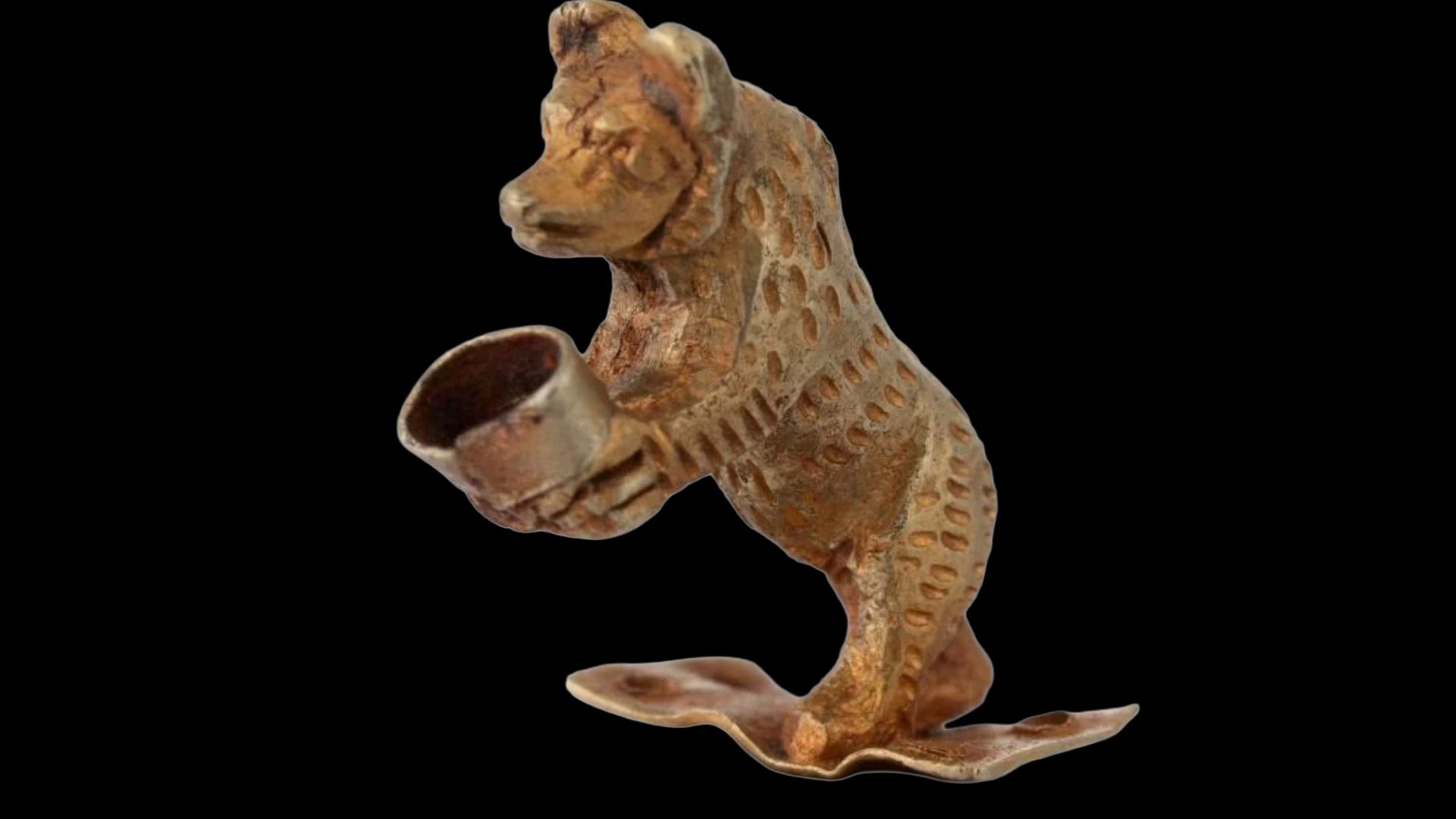
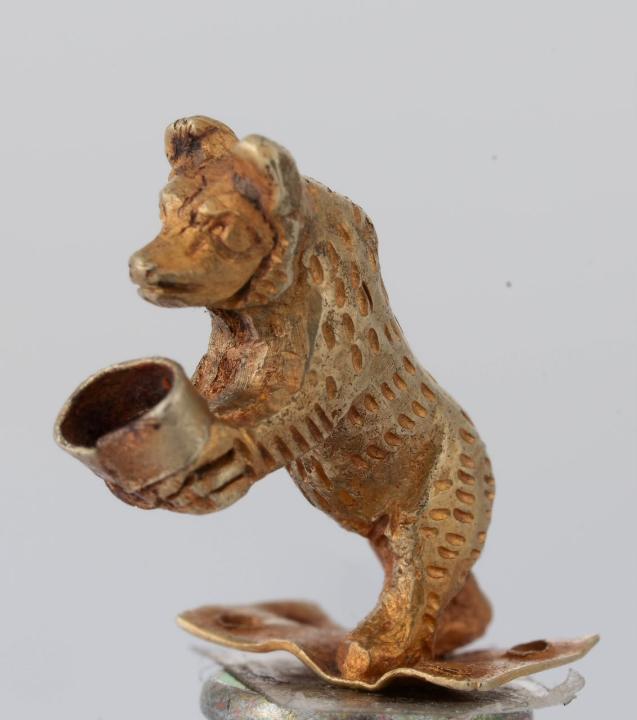
The gold bear was recovered from an archaeological site within the greater Almaty region, an area historically rich with burial mounds, or kurgans, that characterize the influence of Iron Age nomadic cultures. According to reports from the Almaty City Administration, the artifact measures only a few centimeters in size but exhibits a level of technical precision that suggests a highly specialized artisan class existed within the Saka social structure.
The bear is rendered in a naturalistic style, a hallmark of the "Scytho-Siberian animal style," an artistic tradition characterized by the depiction of animals—often in combat or stylized poses—frequently found on jewelry, weaponry, and horse trappings throughout the Eurasian Steppe. The placement of the bear on a headdress indicates that the item was likely worn by a member of the elite, serving as a status symbol that signaled the wearer’s rank, lineage, or spiritual affiliation.
Chronology of the Saka and the Steppe Empires
To understand the significance of this artifact, one must look at the historical timeline of the region. The Saka tribes, often associated with the broader Scythian culture, dominated the Central Asian landscape from roughly the 8th to the 3rd century B.C.
- 8th Century B.C.: Early emergence of the Saka culture, characterized by mobile pastoralism and the development of sophisticated metalworking techniques.
- 6th–4th Century B.C.: The height of Saka influence. This era saw the construction of massive kurgans, such as the famous Issyk Kurgan, where the "Golden Man"—a skeleton covered in thousands of gold plaques—was discovered in 1969.
- 3rd Century B.C. and Beyond: Gradual transition and cultural integration as the region faced pressure from expanding powers, including the Xiongnu and eventually the Silk Road-era empires.
The gold bear likely dates to the middle period of this timeline, a time when the Saka had developed complex trade networks that allowed them to acquire raw materials like gold, which was then fashioned into high-status objects to reinforce social stratification.
Material Analysis and Artistic Significance
The use of gold was not merely a matter of wealth display; it carried deep symbolic meaning in ancient nomadic societies. Gold was seen as the metal of the sun, immortal and incorruptible, and was often used in funeral rites to protect the deceased and ensure their status in the afterlife.
The craftsmanship of the bear reveals several key insights:
- Micro-metallurgy: The artisans utilized sophisticated casting and chasing techniques to define the musculature and fur of the bear, demonstrating a mastery of metallurgy that rivals contemporary civilizations in the Mediterranean and Persia.
- Animal Symbolism: The bear held a specific place in the cosmology of the Steppe nomads. It was often viewed as a guardian spirit or a symbol of strength and ferocity. Incorporating such a figure into a headdress suggests that the wearer was aligning themselves with these predatory virtues.
- Stylistic Continuity: The bear’s design aligns with the broader artistic currents of the Eurasian Steppe, proving that despite the nomadic nature of these peoples, they maintained a cohesive aesthetic identity across vast geographical distances.
Official Responses and Preservation Efforts
The Almaty City Administration has emphasized the importance of this discovery for the national heritage of Kazakhstan. Local archaeological authorities have initiated a comprehensive documentation process, using 3D scanning and high-resolution photography to preserve the artifact’s data for future research.
"The discovery of the gold bear is a testament to the rich history buried beneath our feet," a representative from the local municipal archaeology department noted. "Each piece of jewelry or ornament recovered from these sites helps us reconstruct the lives of people who left behind no written records. We are committed to ensuring these treasures are preserved and studied with the rigor they deserve."
The artifact is currently being prepared for conservation and is expected to eventually form part of a permanent exhibition highlighting the "Golden Heritage" of the region.
Broader Implications for Archaeology
The discovery of this artifact serves as a critical reminder of the limitations of the archaeological record. Because the Saka were nomadic, they did not leave behind cities or permanent structures in the same way as sedentary civilizations. Consequently, the study of their history is almost entirely dependent on the contents of their burials.
Recent advancements in archaeological science—such as stable isotope analysis, ancient DNA sequencing, and non-destructive material testing—are currently being applied to similar finds across Kazakhstan. By analyzing the chemical composition of the gold, researchers may eventually be able to trace the trade routes used by the Saka, potentially linking the source of the gold to specific mines in the Altai Mountains or the Tien Shan range.
Furthermore, the discovery prompts a re-evaluation of nomadic gender roles and social hierarchies. If the headdress belonged to an elite individual, the specific design of the bear—and the potential context of the burial site—could provide clues as to whether such symbols were reserved for royalty, military commanders, or perhaps religious figures.
Impact on Cultural Heritage and Tourism
For Kazakhstan, the discovery of such items is more than an academic milestone; it is a point of national pride. The "Golden Man" remains a symbol of the Kazakh state, and the ongoing recovery of artifacts like the gold bear continues to bolster the nation’s efforts to define its history within the context of the Great Silk Road.
The Almaty region, in particular, has become a focal point for researchers and tourists interested in the origins of Central Asian civilization. The local administration is working to integrate these archaeological findings into cultural tourism initiatives, ensuring that the history of the nomadic tribes is accessible to the public while maintaining strict ethical and preservation standards for the physical artifacts.
Future Directions
As excavations continue in the Almaty region, archaeologists remain hopeful that more artifacts will be uncovered to provide a clearer picture of the Saka lifestyle. The focus of future fieldwork will likely involve geophysical surveys of suspected burial grounds to locate further kurgans before they are impacted by urban development.
The gold bear, while a small object, acts as a bridge to a vanished world. It forces a reconsideration of the "barbarian" labels historically applied to nomadic cultures by sedentary, record-keeping civilizations. Through this find, it is clear that the Saka were not merely raiders or wanderers; they were a people of profound artistic skill, complex spiritual beliefs, and a sophisticated social structure that stood as a pillar of ancient Central Asian history.
The ongoing documentation and analysis of this bear will undoubtedly contribute to a wider scholarly discussion about the movement of ideas, materials, and artistic styles across the ancient world. As the artifact undergoes further examination, it stands as a shining emblem of a nomadic past that continues to yield its secrets to the modern world, one golden detail at a time.