Amazon Launches Early Black Friday Beauty Sales Ahead of Extended Holiday Shopping Event

The annual retail phenomenon known as Black Friday has evolved significantly over the past decade, moving from a single day of frantic in-store shopping to a prolonged, month-long digital sales event. This year, Amazon has officially signaled the start of its holiday commerce strategy by announcing a 12-day Black Friday Week sale, which commences on November 19 and concludes on November 30. As consumers shift their purchasing habits toward earlier holiday planning, the e-commerce giant is leveraging this window to capture market share in the highly competitive beauty and personal care sectors.
Current data from the National Retail Federation (NRF) suggests that a significant percentage of holiday shoppers initiate their gift searches as early as October. By extending the traditional Black Friday timeline, Amazon is responding to this consumer behavior, aiming to alleviate shipping logistics pressure while providing shoppers with a broader window to secure discounts on premium beauty products. This early-access phase features markdowns of at least 25% on a wide range of items, including high-end skincare, professional-grade hair styling tools, and trending makeup essentials.
The Strategic Shift in Holiday Retail
Historically, Black Friday served as the definitive start to the holiday shopping season. However, supply chain disruptions in recent years and the rise of mobile-first shopping have encouraged retailers to spread demand across several weeks. Amazon’s decision to launch its beauty deals on November 19 is a calculated move to secure early commitment from consumers who are increasingly sensitive to price fluctuations and inventory availability.
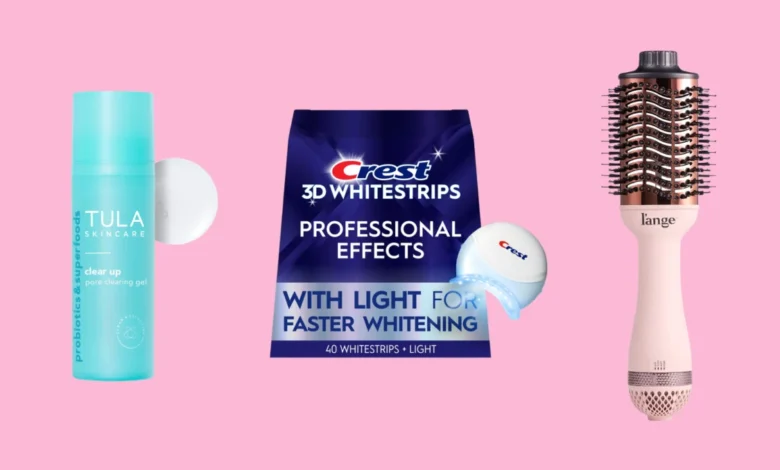
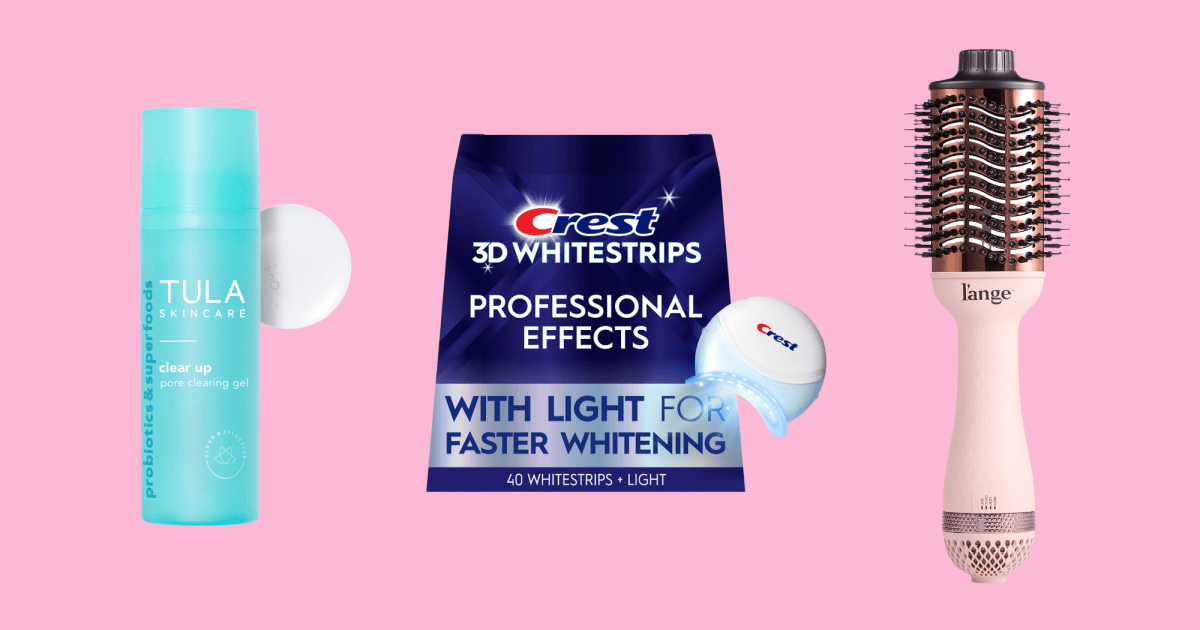
For the beauty industry, this period represents a critical revenue driver. Brands such as Shark, Tula, L’Ange, and various emerging skincare manufacturers are utilizing the platform to clear inventory and introduce their products to a wider demographic. The inclusion of professional-grade tools, such as multi-functional air stylers, suggests that consumers are increasingly seeking salon-quality results at home, a trend that accelerated during the 2020-2021 period and has remained a staple of the beauty market.
Curated Beauty Savings: A Categorical Overview
The current early-access event encompasses a diverse range of product categories, prioritizing both functional tools and consumable skincare.
Advanced Hair Styling Technology
The shift toward at-home styling has brought high-performance tools to the forefront of holiday wish lists. The Shark FlexStyle, for instance, remains a focal point of the current sale. By combining multiple attachments—including dryers, curlers, and volumizers—the device addresses the consumer demand for efficiency and versatility. Similarly, the inclusion of the Shark FlexFusion and the Wavytalk series reflects a broader market trend where consumers are replacing individual hair tools with comprehensive, all-in-one systems. These devices utilize advanced airflow and ceramic heat control to minimize heat damage, a feature that has become a non-negotiable requirement for modern beauty consumers.
Skincare and Dermatological Trends
Skincare remains the most consistent performer in the beauty sector. The current Amazon promotions highlight a mixture of clinical-grade treatments and high-demand consumer staples. Products containing active ingredients such as salicylic acid, niacinamide, and retinol are seeing significant price reductions.
For example, the Tula Clear Up Salicylic Acid Pore Clearing Gel targets the segment of the market interested in acne management and skin texture refinement. Simultaneously, the inclusion of snail mucin-based products—a staple of the K-beauty movement—underscores the ongoing influence of global skincare trends on the North American market. Furthermore, the rise of at-home beauty devices, such as LED light therapy masks and microcurrent facial tools, indicates that consumers are looking to replicate professional spa treatments within their own homes, reflecting a long-term investment in self-care routines.
Operational Logistics and Consumer Incentives
Amazon is reinforcing its logistical dominance by encouraging non-Prime members to sign up for free trials during the sales period. This strategy serves a dual purpose: it drives immediate sales for the holiday season while simultaneously expanding the subscriber base for Amazon’s ecosystem. The primary incentive for these users is the assurance of expedited two-day shipping, which is particularly vital as the December holiday deadline approaches.
From an economic perspective, these discounts serve as a barometer for consumer spending power. By offering substantial markdowns on "cult-loved" products, Amazon is effectively lowering the barrier to entry for premium brands, allowing a broader consumer base to engage with high-ticket items that might otherwise be considered discretionary.
Analysis: The Impact on the Beauty Industry
The implications of this 12-day event are twofold. For the consumer, it provides an opportunity to purchase gifts at a lower price point while avoiding the last-minute shipping delays that historically plague the final week of December. For the manufacturer, it provides essential data on consumer preferences, allowing brands to adjust their production and marketing strategies for the following fiscal year.
Market analysts observe that the beauty industry is uniquely resilient to economic downturns, often referred to as the "lipstick effect." Even when consumers tighten their budgets, they tend to maintain their spending on smaller, indulgent beauty items. By positioning these products at the center of the Black Friday Week sale, Amazon is capitalizing on this resilience, ensuring that beauty remains a top priority for holiday gift-giving.
Future Outlook for Holiday Commerce
As the 2026 holiday season progresses, the success of this early-access beauty sale will likely influence how other major retailers structure their own promotional calendars. The movement toward an extended shopping season appears to be a permanent structural shift rather than a temporary anomaly.
Consumers looking to maximize these savings are encouraged to monitor the platform regularly. As the sale progresses through November 30, it is expected that additional inventory will be cycled into the promotion, potentially offering even deeper discounts as the calendar moves closer to the official Black Friday date.
While the current list of 30+ deals covers a wide spectrum of needs—from whitening strips and brow gels to complex laser hair removal devices—the underlying message remains consistent: the intersection of technology and beauty is the fastest-growing segment of the retail economy. As shoppers continue to navigate the complexities of holiday gift-buying, the ability to source both high-tech tools and essential skincare from a single, reliable digital marketplace will likely remain the primary driver of retail success throughout the remainder of the year.
The combination of manufacturer-supported discounts and Amazon’s logistics infrastructure creates a robust environment for holiday commerce. Whether through the purchase of high-end tools like the Chi Spin N Curl or smaller, highly practical items like hydrocolloid pimple patches, consumers are being offered a variety of price points that reflect a sophisticated understanding of the modern beauty enthusiast’s needs. As the industry looks toward the conclusion of the year, this early-access strategy stands as a testament to the ongoing evolution of the retail landscape.
Related posts: