The Intersection of Nonprofits and Political Demonstrations: Left-Leaning Organizations Target Elon Musk in Austin

Three prominent far-left nonprofit organizations, boasting a combined annual revenue of $56.1 million, escalated their coordinated demonstrations against SpaceX and Tesla CEO Elon Musk by staging a high-profile, post-election event outside his residence in the Austin, Texas, area. The gathering, characterized by organizers as a festive "People Over Billionaires Election After Party," featured chartered transportation, live music, speeches, dancing, and theatrical props, including Cybertruck-shaped piñatas.
While presented to the public as an organic grassroots expression of community discontent, financial filings and logistical footprints reveal a heavily organized, professionally resourced campaign. This event underscores a broader trend of institutionalized activism leveraging substantial tax-exempt funds to execute targeted political demonstrations against prominent corporate figures associated with conservative governance and the incoming presidential administration.
Anatomy of the Austin Demonstration
The weekend demonstration took place in West Lake Hills, an affluent enclave near Austin where Musk maintains a sprawling residential property. Approximately 60 participants arrived at the scene utilizing two chartered blue Fly-Rides party buses alongside additional private vehicles. Demonstrators utilized high-powered sound systems to broadcast music, including Queen’s anthemic "We Will Rock You," while distributing refreshments, party hats, and promotional materials.
Protesters carried signs bearing slogans such as "Texas is not for sale" and "Alright Texas! Now let’s tax Musk," alongside star-shaped and vehicle-themed piñatas that were subsequently smashed during the gathering. Eli Cortez, a bus captain for the organizing faction VOCAL-TX, framed the event to local media as a celebration of voters rejecting the political influence of wealthy donors.
Despite the carnival-like atmosphere—complete with conga lines and cider—security and intelligence analysts note that the underlying rhetoric contributes to a polarizing political climate. Research organizations, including the Network Contagion Research Institute, have repeatedly warned that sustained, highly targeted public demonization of specific executives can establish a dangerous "permission structure" for escalation, potentially fostering political harassment or property damage.
The Coalition Behind the Campaign

The demonstration was collaboratively organized by three distinct entities embedded within the progressive nonprofit sector:
- VOCAL-TX: A project operating under the fiscal sponsorship of Voices of Community Activists and Leaders Inc. (VOCAL-NY), a New York-based 501(c)(3) nonprofit organization. VOCAL-NY reported $13.1 million in revenue on its recent tax disclosures, operating primarily as a statewide grassroots membership group focused on criminal justice reform, drug policy, and economic inequality.
- The Center for Popular Democracy Inc. (CPD): A Brooklyn-based 501(c)(3) nonprofit organization that reported $40.9 million in revenue in its latest filings. CPD acts as a massive umbrella network coordinating advocacy across dozens of states under the banner of building a multiracial progressive society. Tax filings indicate that its co-executive directors received compensation packages averaging approximately $234,026, significantly higher than the national median earnings for full-time workers.
- People’s Action Institute: A Chicago-based 501(c)(4) political nonprofit network that reported $2.1 million in revenue, dedicated to advancing progressive economic and social equity agendas through coordinated regional and national advocacy.
These organizations are far from novice local groups; they are established veterans of the professional protest industry. Their operational capacity allows them to rapidly mobilize resources, secure permits or navigate local ordinances, charter transportation, and synchronize messaging across national networks.
The Broader "Tesla Takedown" Chronology and Escalation
The weekend event in West Lake Hills was part of an ongoing, multi-year tactical playbook directed at Musk, his corporate enterprises, and his political affiliations. The strategy traces its recent origins to early 2025, when a coalition of left-leaning and radical groups launched the coordinated "Tesla Takedown" campaign.
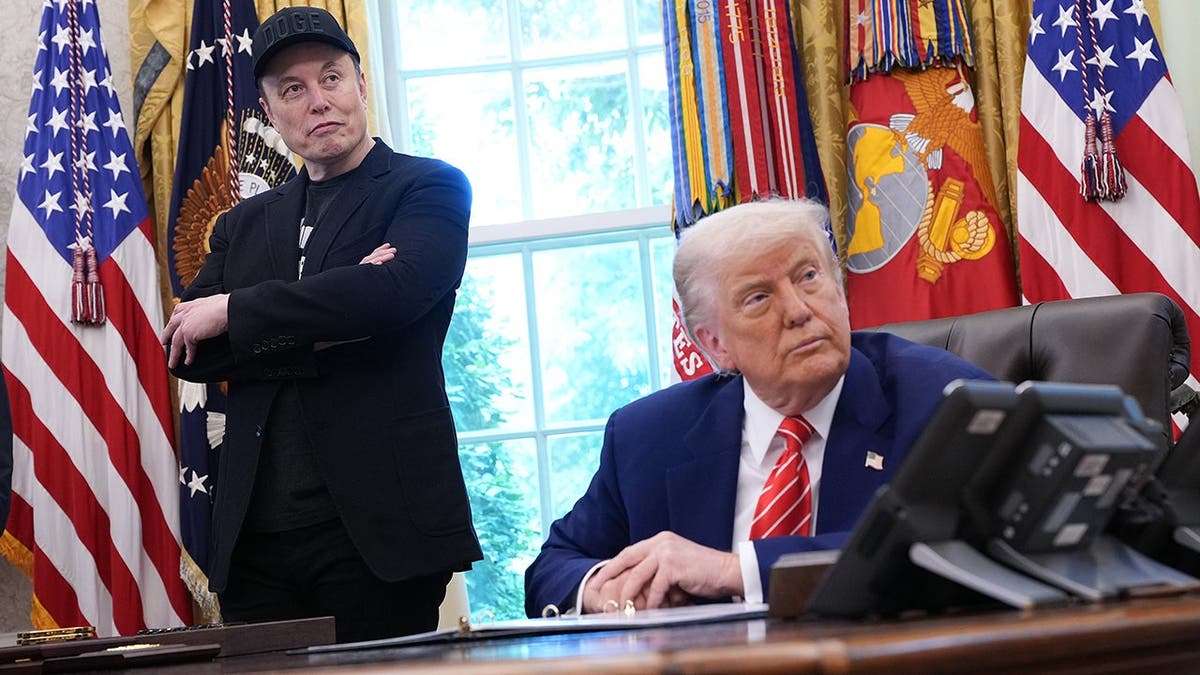
Initially sparked by Musk’s prominent role in supporting conservative political campaigns and his involvement with the newly established Department of Government Efficiency (DOGE), the movement quickly expanded beyond traditional lobbying or digital boycotts. Dealerships and showrooms across multiple states became focal points for demonstrations.
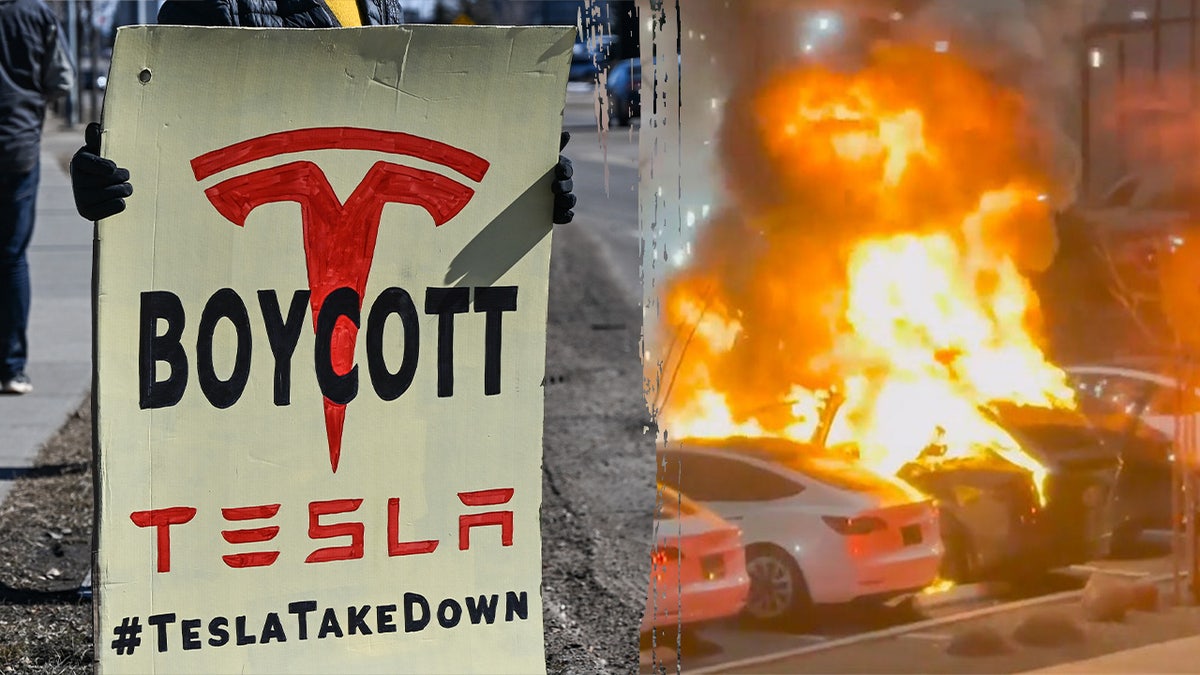
While many protests remained peaceful, certain factions within the broader coalition crossed lines into illegal activity, resulting in instances of vandalism against Tesla vehicles and showrooms. Protests in Washington, D.C., and other metropolitan areas frequently featured an eclectic coalition spanning progressive nonprofits, labor unions, and openly socialist or communist organizations, including the Party for Socialism and Liberation, the ANSWER Coalition, and the Freedom Road Socialist Organization. These groups often merged economic grievances with broader anti-administration messaging, carrying banners demanding higher taxes on billionaires alongside revolutionary slogans.
The Manufacturing of Visual Propaganda
A critical element of the anti-Musk campaign has been the widespread distribution of standardized visual media, challenging the assertion that these protests are entirely spontaneous or locally generated.

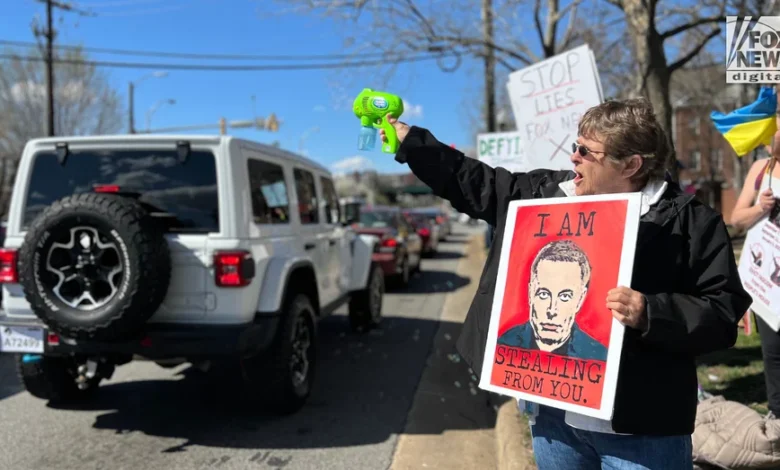
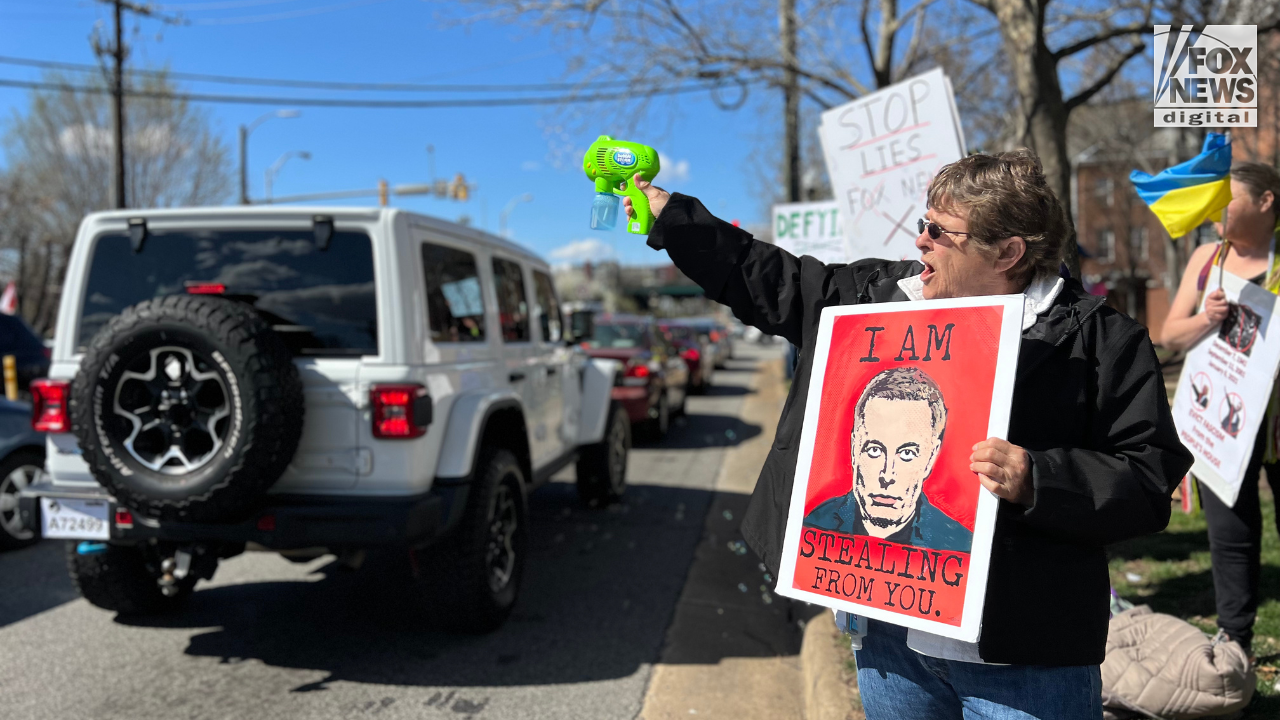
A prominent example is a mass-produced poster featuring a stylized, unflattering portrait of Musk accompanied by the bold declaration, "I AM STEALING FROM YOU." The graphic was originally commissioned early last year by the Progressive Change Institute—the 501(c)(3) sister organization of the Progressive Change Campaign Committee (PCCC)—from Washington, D.C., political street artist Absurdly Well.
Far from being a grassroots piece of street art, the poster was systematically integrated into the broader "Hands Off" protest network’s logistics. The PCCC openly utilized the merchandise as an organizing asset designed to make Musk a persistent political liability for the administration. The organization established a commercial distribution model, offering donors bulk packs of the posters in exchange for financial contributions—charging $135 for a five-pack, $250 for a ten-pack, and $30 for individual prints.
These exact posters have since become ubiquitous fixtures at demonstrations nationwide, appearing prominently outside Musk’s Austin residence over the weekend. Mainstream media outlets have frequently featured images of the posters in their coverage, inadvertently amplifying an intentionally engineered piece of political messaging.
Political Spending and Context of the Feud
The animosity toward Musk has been significantly amplified by his unprecedented financial footprint during recent election cycles. According to analyses by the New York Times and Federal Election Commission disclosures, Musk’s total disclosed political spending during the 2026 election cycle approached an estimated $445 million to $474 million.
A substantial portion of these funds—roughly $212 million—was channeled through allied political action committees to support conservative candidates, including Texas Republican Ken Paxton’s high-profile Senate campaign. This massive influx of capital transformed Musk into a primary target for progressive strategists and Democratic lawmakers who view his political expenditures as an existential threat to democratic norms and electoral outcomes.
In response, prominent figures within the Democratic Party and progressive activist networks have ramped up calls for aggressive congressional investigations and regulatory scrutiny into Musk’s business dealings, should political shifts allow. Former high-ranking officials have publicly discussed compelling Musk to testify before Congress, further intensifying the friction between the tech billionaire and the progressive political establishment.
Implications of Institutionalized Activism

The event in West Lake Hills highlights a maturing operational model within modern American politics, wherein well-funded 501(c)(3) and 501(c)(4) organizations effectively subsidize and manage street-level political theater. By pooling millions of dollars in annual revenue, these groups maintain a permanent state of mobilization that can be rapidly pivoted toward specific corporate or political targets.
Critics argue that this phenomenon, often disparagingly termed "astroturfing," distorts public discourse by masking institutional political strategies behind the veneer of grassroots populism. Conversely, organizers maintain that utilizing corporate-style logistics and centralized funding is a necessary counterweight to the outsized political influence wielded by wealthy individual donors and corporate executives in contemporary elections.
As political polarization continues to intensify and billionaires increasingly step into the direct crosshairs of partisan warfare, the intersection of tax-exempt nonprofit infrastructure and street activism is expected to remain a permanent, highly contentious fixture of the American political landscape.
Related posts: