Alabama Public Service Commission pushes for immediate end to customer-funded advertising by Alabama Power

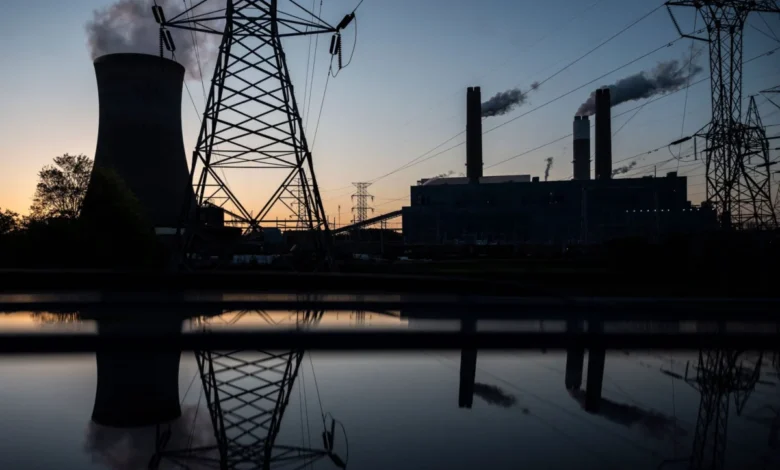
On a pivotal election day marked by broader political shifts, the Alabama Public Service Commission (PSC) took a surprise, decisive action to relieve electricity consumers of a long-standing financial burden. In a motion brought forward by PSC President Cynthia Lee Almond, the regulatory body requested that Alabama Power—the state’s dominant utility monopoly—voluntarily cease billing ratepayers for the costs of television commercials and general promotional advertising, effective immediately.
The decision arrives as a significant preemptive strike against a practice that has long drawn the ire of consumer advocacy groups. While a recently enacted state law mandates that such expenses be removed from ratepayer bills, that legislation is not scheduled to take effect until January 1, 2029. By asking for voluntary compliance, the PSC is attempting to accelerate the transition, potentially saving Alabama Power customers millions of dollars over the next two years.
The Landscape of Utility Regulation in Alabama
Alabama Power, a subsidiary of the Southern Company, maintains an expansive footprint, providing electricity to approximately two-thirds of the state. As a regulated monopoly, its rates and operational expenses are subject to the oversight of the PSC. For years, the utility has utilized its significant capital to run high-visibility advertising campaigns, touting reliability, customer service, and, most recently, a rate freeze intended to soothe public anxiety regarding rising utility costs.
Under the existing regulatory framework, Alabama Power has been permitted to pass 50% of its non-public safety advertising costs directly onto the customer. This structure has historically allowed the company to shape public perception using funds derived from the very people it serves. The legislative shift, signed into law earlier this year, reflects a growing sentiment among state lawmakers that captive ratepayers should not be forced to subsidize the corporate branding or public relations efforts of a monopoly utility.
Chronology of Regulatory Pressure
The road to this week’s vote was paved by years of friction between the PSC, the utility, and public interest groups.
- 2023–2025: Alabama Power faced intense scrutiny as electric rates climbed, triggering public outcry and investigations by various consumer advocacy organizations.
- Late 2025: Amid the rising pressure, the PSC approved a rate freeze, which the utility subsequently promoted heavily through television commercials.
- Early 2026: The Alabama legislature passed a landmark bill aimed at curtailing the utility’s ability to bill customers for advertising. The law included a sunset provision, delaying the prohibition until 2029.
- June 2026: Gov. Kay Ivey announced the expansion of the commission from three to seven members, setting the stage for a dramatic restructuring of the state’s energy oversight.
- November 2026: During a busy election day, President Cynthia Lee Almond moved to request that Alabama Power immediately halt the inclusion of advertising costs in its rate filings, effectively pulling the 2029 deadline forward by two years.
Financial Implications and Data Analysis
The financial weight of these advertisements is not trivial. According to filings submitted to the Federal Energy Regulatory Commission (FERC), Alabama Power reported general advertising expenditures exceeding $6 million in the previous fiscal year. When broken down per capita, this amounts to roughly $4 per customer annually.
While $4 may seem marginal to an individual household, the aggregate impact on the company’s bottom line—and the subsequent relief to the ratepayer base—is substantial. By excluding these costs from the Rate Stabilization and Equalization (RSE) filings for 2027 and 2028, the commission is effectively forcing the utility to account for these expenses against its own corporate profits rather than offloading them onto the public.
Analysts suggest that this move aligns with broader national trends, where public utility commissions are increasingly scrutinizing "goodwill" advertising expenses. In many states, regulators have moved to treat such expenditures as shareholder expenses, reasoning that promotional campaigns serve the interests of the company’s image rather than the operational necessity of delivering electricity.
Reactions and Official Responses
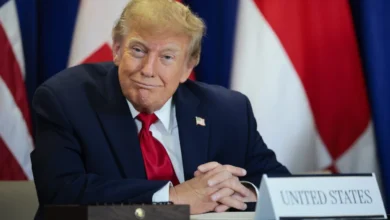
The response from the commission was swift. Following the regular report from the electricity division, President Almond introduced her motion without it being on the formal agenda. Commissioners Jeremy Oden and Chris Beeker IV joined her in a unanimous vote.
"I don’t see any reason why we shouldn’t go ahead and take steps now to begin that process, rather than waiting until Jan. 1, 2029," Almond stated during the session.
External advocacy groups have lauded the move as a major victory for transparency. Daniel Tait, executive director of Energy Alabama, was quick to praise the commission’s leadership. "We are grateful for the leadership of President Almond and the full commission for acting to end customers paying for Alabama Power’s advertising," Tait said. "Once in place, Alabama will have one of the strongest customer protections in the nation on this front."
Alabama Power, however, has remained largely silent. The company did not immediately respond to requests for comment regarding whether it intends to comply with the commission’s request. As the measure is technically a "request" rather than an order, the utility maintains some legal flexibility, though declining to follow the commission’s guidance could lead to heightened political friction during the upcoming transition of the commission’s structure.
Broader Implications: A Commission in Transition
The vote occurs at a precarious time for the PSC, which is undergoing the most significant structural overhaul in recent history. Come January, the commission will expand from three to seven members. This expansion is designed to decentralize power, but it also introduces a period of uncertainty as new leadership takes the helm.
Outgoing commissioners Jeremy Oden and Chris Beeker IV, who both voted in favor of the advertising measure, are slated to leave their posts following primary election defeats. They will be replaced by Cullman County Sheriff Matt Gentry and former PSC Commissioner Jim Zeigler. Zeigler’s return to the commission is particularly notable; having served between 1975 and 1979, his reappearance marks a full-circle moment in Alabama utility politics, echoing the contentious battles over energy costs that defined the George Wallace era.
With President Almond remaining as the sole holdover from the current commission, the new seven-member board will be tasked with navigating a complex regulatory environment. Furthermore, the introduction of a new state Secretary of Energy—to be appointed by Gov.-elect Tommy Tuberville—will fundamentally alter how the commission operates. The Secretary will be empowered to set the agenda, and the structure of the new commission will require a five-out-of-seven vote to override the Secretary’s directives.
Looking Toward the Future
The voluntary measure requested by the current PSC serves as a bridge, ensuring that the momentum toward consumer-focused regulation is not lost during the transition to the new, expanded commission. Whether Alabama Power chooses to cooperate will be a primary test of the relationship between the state’s most powerful utility and the incoming, more robust regulatory body.
As the state moves toward a new chapter in energy policy, the question of who pays for corporate image-building remains at the forefront of the debate. By pushing for this immediate change, the outgoing commission has set a clear expectation: the era of the captive ratepayer footing the bill for utility marketing is drawing to a close. For now, the public awaits the utility’s response, watching to see if Alabama Power will embrace the spirit of the new law ahead of its legal mandate.
Related posts: