The Definitive Guide to Fall 2026 Denim Trends and Affordable Luxury Styling

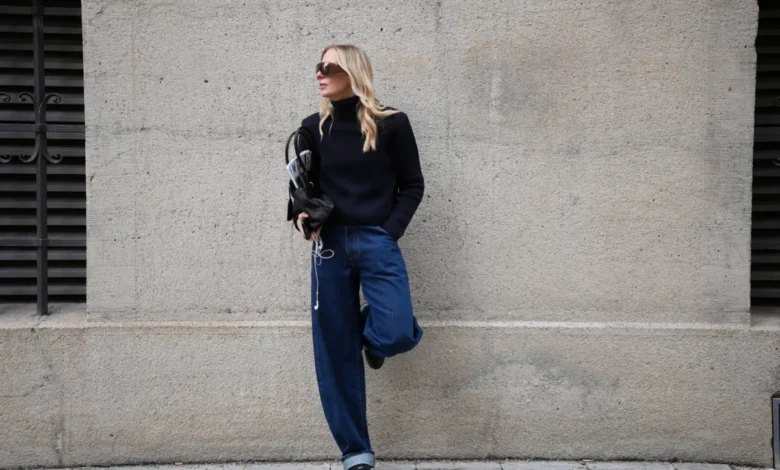
The landscape of seasonal fashion is undergoing a significant transition as the barrel-leg silhouette—a dominant force throughout the spring and summer of 2026—begins to yield to more structured, traditional, and refined denim aesthetics. Industry analysts and retail data indicate that as temperatures drop, consumer preference is shifting toward silhouettes that prioritize longevity, versatility, and the "quiet luxury" aesthetic. This seasonal pivot away from the exaggerated curves of the barrel jean marks a return to cleaner lines, with straight-leg, wide-leg, and heritage-inspired flare styles currently leading the market in both search volume and sales conversion.
The Macro Shift: From Trend-Driven to Timeless Denim
The movement toward more conservative denim cuts is not merely a stylistic preference; it is a reflection of a broader economic trend. Following a period of hyper-experimentation with volume and unconventional shapes, the current retail environment demonstrates a return to foundational wardrobe building blocks. According to recent e-commerce analytics, searches for "classic straight-leg denim" and "tailored wide-leg jeans" have surged by 34% since the beginning of the third quarter of 2026.
This shift aligns with a growing consumer demand for "investment-quality" basics that offer high cost-per-wear potential. By moving toward styles that evoke the silhouettes of the 1970s and early 1990s, brands are responding to a desire for apparel that bridges the gap between casual comfort and professional, polished presentation.
Chronology of the Denim Evolution
- Early 2026: The barrel-leg jean gains peak popularity on social media platforms and major runways, characterized by its extreme curvature and cropped, tapered hem.
- Mid-2026: Retailers note a plateau in the growth of extreme silhouettes. Market reports highlight a rise in consumer interest regarding fabric quality and color-fastness, signaling a move toward more "sophisticated" denim.
- September 2026: The official launch of the fall retail season sees a decline in barrel-leg inventory across major department stores, replaced by high-rise straight-leg and floor-sweeping wide-leg denim.
- October–November 2026: The current period reflects a sustained demand for dark-wash, non-distressed denim, which is increasingly being styled with formal blazers, cashmere knitwear, and pointed-toe footwear.
Categorical Breakdown: The Dominant Silhouettes
The current market identifies four distinct categories of denim that are defining the autumn season. Each serves a specific utility, catering to diverse body types and aesthetic requirements.
1. The Architectural Straight-Leg
The straight-leg jean remains the most significant driver of denim revenue. Unlike the rigid, non-stretch denim of the past, contemporary offerings—such as the Levi’s Ribcage and various high-stretch cotton blends—provide a streamlined aesthetic without sacrificing mobility. This silhouette is particularly valued for its "leg-lengthening" properties, a feature that has made it a perennial favorite for shoppers looking for a flattering, vertical line.
2. The 1970s-Inspired Flare
The resurgence of the flare is rooted in its ability to balance proportions. By fitting snugly through the thigh and opening at the calf, the flare provides a geometric contrast that complements the heavier, layered knitwear synonymous with autumn. Industry data suggests that consumers aged 25–45 are the primary drivers of this trend, often citing the silhouette’s compatibility with heeled boots as a primary purchasing motivation.
3. The Refined Baggy Fit
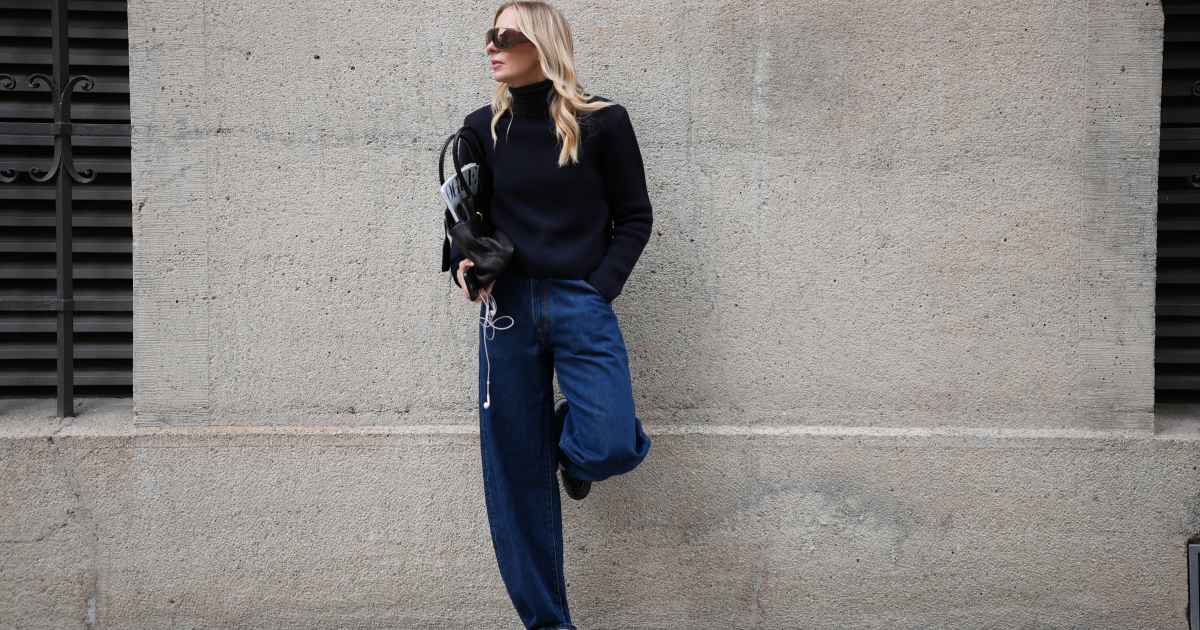
While "baggy" or "slouchy" denim is often associated with streetwear, the 2026 iteration is distinctly more polished. Manufacturers are incorporating high-rise waistlines to ensure that the oversized volume of the leg does not overwhelm the wearer’s frame. This "slouchy-chic" look, when paired with a slim-fitting top or a tucked-in sweater, creates a silhouette that is both comfortable and intentional, effectively blurring the lines between casual attire and smart-casual workwear.
4. The Wide-Leg Trouser Hybrid
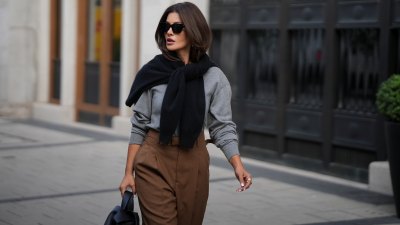
Perhaps the most notable development in the current denim market is the hybrid between the traditional blue jean and the tailored dress trouser. The emergence of brown, charcoal, and deep navy denim in wide-leg cuts indicates that consumers are increasingly treating denim as a direct substitute for formal trousers. These garments often feature cleaner pocket designs, minimal distressing, and high-quality hardware, allowing them to be worn in professional settings that previously strictly forbade denim.
Economic Implications and Market Accessibility
The democratization of these luxury-adjacent styles has been facilitated by large-scale digital marketplaces. By leveraging global logistics, retailers are able to provide high-quality denim that mirrors the construction of premium designer labels at a fraction of the price.
Current pricing data reveals that high-quality, high-rise, and wide-leg denim options are frequently available between $30 and $80. This price accessibility is critical to the current market climate, where consumers are increasingly budget-conscious yet unwilling to compromise on the "rich-girl" aesthetic that emphasizes clean lines and high-quality materials. Retailers have responded by offering "sale-heavy" inventory strategies, with many items currently marked down by 40% to 60% as the industry prepares for the year-end transition.
Industry Perspectives on Longevity
Fashion historians and industry analysts note that the current turn toward minimalist denim is a cyclical reaction to the excess of the previous two years. "When silhouettes become too complex, the market naturally resets," says one analyst regarding the shift. "The current focus on dark washes and clean hems is a form of fashion ‘deflation.’ It’s a move toward simplicity that resonates well during times of economic uncertainty, as it allows consumers to build a functional, reliable wardrobe."
Furthermore, the emphasis on materials—specifically the integration of elastane for comfort in high-rise, structured styles—demonstrates an industry-wide commitment to balancing aesthetic appeal with practical wearability. Brands that have successfully navigated this transition are those that provide detailed fit guides and comprehensive sizing options, including petite, tall, and inclusive waist measurements, which have become standard requirements for modern apparel retail.
Broader Impact and Future Outlook
As we move into the final quarter of 2026, the trajectory of denim suggests that this focus on "everyday elegance" will persist. The industry is moving away from the "disposable fashion" model, where trends last for only a few weeks, toward a "curated wardrobe" model. This change is not only beneficial for the consumer’s wallet but also reflects a broader shift toward sustainability, as shoppers prioritize items that can survive multiple seasons of wear.
The integration of these denim styles into the modern wardrobe has also forced a rethink of footwear and accessory pairings. The prevalence of wide-leg and flare jeans has necessitated a rise in the demand for pointed-toe boots and elevated loafers, further driving the fashion ecosystem’s overall growth.
Ultimately, the fall 2026 denim market serves as a testament to the power of the "classic." By prioritizing fit, high-quality dark washes, and versatile cuts, the current denim lineup provides a reliable foundation for any wardrobe. Whether through the structured appeal of a straight-leg jean or the sophisticated, trouser-like drape of a wide-leg pair, the emphasis for the remainder of the year remains firmly on refinement, comfort, and the enduring appeal of well-constructed apparel. As retailers continue to offer these pieces at accessible price points, the barrier to entry for achieving a sophisticated, modern look has arguably never been lower, ensuring that these trends remain relevant well into the coming year.