Paul Howard, the dedicated steward of The Three Stooges legacy and son of comedy icon Moe Howard, has passed away in Manhattan at the age of 91.

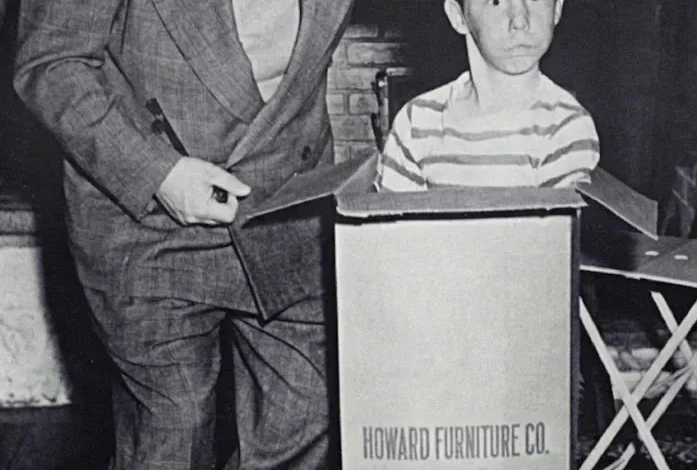
His death marks the end of an era for the family of the legendary slapstick trio, as Paul Howard had spent decades serving as a primary link between the historical significance of his father’s work and the millions of fans who have kept the Stooges’ brand relevant for nearly a century. A fixture at conventions, film festivals, and commemorative events, Howard was instrumental in humanizing the man behind the bowl-cut persona, ensuring that Moe Howard was remembered not just as a comedic force of nature, but as a devoted family man.
A Lifetime of Preservation
Born on July 8, 1935, Paul Howard’s life was inextricably linked to the meteoric rise and enduring cultural footprint of The Three Stooges. While his father, Moe (born Moses Harry Horwitz), was busy perfecting the "eye-poke" and the "slap-happy" humor that defined a generation of American cinema, Paul grew up in the shadow of the vaudeville stage and the film studio.
Throughout his adult life, Paul assumed the role of an unofficial archivist for the Howard estate. This responsibility extended beyond mere name recognition; it involved managing the intellectual property, curating personal archives, and providing authentic context to historians and journalists. His work was pivotal in bridging the gap between the mid-20th-century origins of the group and the digital-age resurgence of their comedy.
The 2015 Docuseries and Cultural Legacy
Perhaps Paul Howard’s most significant contribution to the preservation of the Stooges’ history was his 2015 docuseries, Hey Moe, Hey Dad!. The nine-part production was a comprehensive deep dive into the lives of Moe Howard, Larry Fine, Curly Howard, Shemp Howard, and Joe DeRita.
By utilizing rare archival footage and conducting extensive interviews with the descendants of the original trio, as well as celebrity devotees like Whoopi Goldberg, Leonard Maltin, and voice actor Billy West, the series served as a definitive historical record. It successfully moved the narrative beyond the screen, exploring the complex business dynamics of Columbia Pictures and the grueling physical demands placed on the performers. For Paul, the series was a labor of love that sought to honor the professional sacrifices his father made to keep the trio at the pinnacle of entertainment for decades.
A Birth Story Staged Like a Script
The circumstances of Paul Howard’s birth remain a cherished piece of family folklore, often cited as a testament to the chaotic, cinematic nature of the Howard household. As recounted in his sister Joan Howard Maurer’s memoir, Growing Up Stooge, the birth of a son was a long-awaited milestone for Moe.
In 1934, upon learning he was to be a father again, Moe famously joked to his wife, Helen, about the prospect of having a boy. The birth itself, occurring in July 1935, was perfectly synchronized with the demands of the entertainment industry. While Moe was performing at the Metropolitan Theatre in Boston, a telegram arrived from the hospital in New York: "It’s a gorgeous 8 pound boy… Keep out of the gutter."
The subsequent events read like a classic slapstick sequence. Days after the birth, while driving his wife and extended family through a torrential Manhattan rainstorm, Moe was involved in a severe car accident. The vehicle skidded and collided with a heavy concrete lamppost, which collapsed onto the hood and shattered the windshield. Despite sustaining a black eye and facial lacerations, Moe’s primary concern remained the safety of his family. The absurdity was compounded when his sister-in-law, Clarice, went into labor as a direct result of the shock of the accident, leading to the premature birth of her daughter, Carole. Moe’s dry remark to his wife—"This didn’t happen on stage stooging around"—became a defining family anecdote, capturing his ability to find humor even in the face of genuine peril.
Historical Context: The Three Stooges in American Culture
To understand the significance of Paul Howard’s work, one must consider the historical context of The Three Stooges. Originating from the vaudeville circuit of the 1920s, the trio became a cornerstone of Columbia Pictures’ short-film division. Between 1934 and 1959, they produced 190 short films, a volume of work that cemented their status as the kings of physical comedy.
However, the transition from theatrical shorts to television in the late 1950s was what truly secured their immortality. The Stooges were among the first acts to successfully transition to the small screen, where their films were played in endless syndication for children and adults alike. Paul Howard’s efforts in his later years were focused on maintaining the integrity of this legacy as the group moved into the era of merchandising and digital licensing. He served as a crucial gatekeeper, ensuring that the Stooges’ image was protected from unauthorized commercialization while remaining accessible to new generations.
Professional Impact and Industry Reaction
Industry professionals and historians have frequently lauded Paul Howard for his transparency and accessibility. Unlike many heirs to entertainment icons, Howard was known for his willingness to engage with fans directly. His presence at Stooges-themed conventions was not merely ceremonial; he was a wealth of institutional knowledge.
"Paul understood that the Stooges were not just a business, but a cultural touchstone," says media historian Dr. Aris Thorne. "By opening the private archives and sharing the human stories behind the slapstick, he allowed the public to view Moe Howard as a multifaceted individual. His work ensured that the Stooges were not reduced to a series of gags, but were recognized as pioneers of physical performance art."
The Final Years and Estate Management
In his later years, Paul Howard continued to reside in the Yorkville section of Manhattan, just blocks away from the hospital where he was born. His quiet life in the city belied the global reach of his father’s fame. While the Stooges are synonymous with Hollywood history, Paul remained a New Yorker, grounded by his family and his commitment to the memory of his parents.
His passing leaves a void in the management of the Howard estate, though his daughter, Jennifer, and his wife, Joanne, remain as the current torchbearers for the family. The family has indicated that they intend to continue the preservation efforts that Paul championed for so many years.
Broader Implications for Legacy Preservation
The passing of Paul Howard serves as a reminder of the fragility of entertainment history. As the children of the "Golden Age" of cinema reach advanced ages, the first-hand accounts of those foundational years are disappearing. Paul’s work in documenting his father’s career—through the Hey Moe, Hey Dad! project and his personal outreach—represents a best-practice model for estate management.
By providing a repository of oral histories, photographs, and personal reflections, Paul Howard did more than just preserve a name; he curated a cultural history. His death prompts a moment of reflection on how we treat the legacies of performers who shaped the mid-20th century. In an era where digital content is often transient, the efforts of individuals like Paul Howard to institutionalize the work of their forebears remain essential to the study of American popular culture.
Paul Howard is survived by his wife, Joanne, and his daughter, Jennifer. His life, characterized by a unique blend of historical duty and family pride, ensures that the man behind the Stooges will continue to be remembered with the same affection that he extended to the fans of his father’s work for over nine decades.