Ramas journey to Lanka will take longer than anticipated as the epic cinematic adaptation adjusts its production timeline.

The highly anticipated cinematic adaptation of one of the world’s most enduring literary and spiritual epics, Ramayana: Rise of a Legend, is encountering shifts in its theatrical release schedule. While audiences around the globe prepare to witness the unfolding of an ancient legend brought to life with modern cinematic grandeur, producers have confirmed that the journey to Lanka—and the ultimate resolution of the narrative arc—will require additional time in post-production. Consequently, the eagerly awaited sequel has been officially pushed to a 2028 premiere, diverging from its previously projected 2027 window, while the inaugural installment remains steadfastly positioned for a November 5 theatrical release coinciding with the festival of Diwali.
The Evolution of a Global Epic
When the cinematic project was first announced, its core ambition was to translate a foundational pillar of Indian mythology into a universally accessible global film. However, as production progressed and creative boundaries expanded, the scope of the project evolved significantly. According to producer Namit Malhotra, the realization of two distinct master versions became essential to honoring both local and international audiences.
The decision to craft a dedicated English-language edition necessitated more than a simple translation; it required a complete structural re-edit and a script adaptation from the original Hindi dialogue. This meticulous localization ensures that viewers across different cultural landscapes experience the narrative in its original, uncompromised artistic form. Such expansive post-production efforts highlight the logistical and creative complexities inherent in bringing a mythological epic of this magnitude to international cinema screens.
Narrative Architecture and Character Dynamics
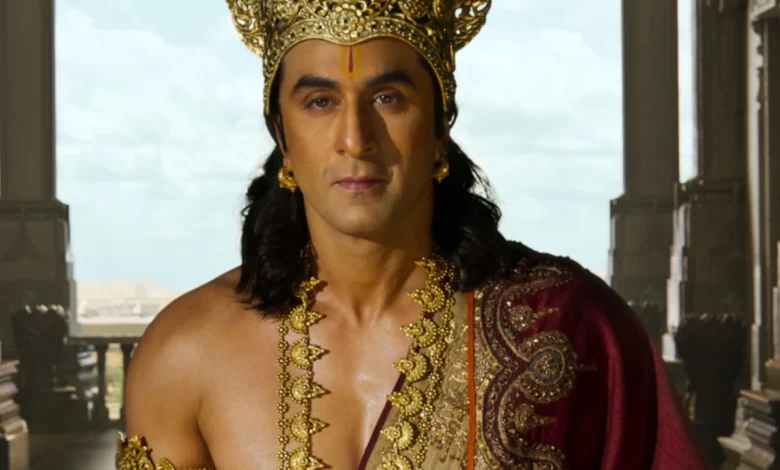
The first installment of the two-part franchise lays the foundational groundwork for the sprawling mythological narrative. The story centers on a young Ram—portrayed by Ranbir Kapoor—who is the eldest of King Dasharatha’s four sons, alongside his half-brothers Lakshmana, Bharata, and Shatrughna. Destined to be the avatar of the Hindu deity Vishnu, Ram faces an uphill battle against the formidable demon king Ravana, played by Yash. However, the definitive confrontation with Ravana is strategically reserved for the second chapter.
Before the primary conflict takes center stage, the opening film explores Ram’s formative years as a disciplined archer and soldier. His life takes a dramatic turn following his marriage to Sita, portrayed by Sai Pallavi. Despite the idyllic beginnings of their romance, political intrigue within the royal court of Ayodhya abruptly alters their trajectory. Pressured by Queen Kaikeyi, who demands the throne for her own son Bharata, King Dasharatha banishes Ram to a fourteen-year exile.
Rather than facing banishment alone, Ram is accompanied by Sita and his loyal brother Lakshmana. Together, the trio embarks on a perilous journey through the wilderness, encountering and battling various demonic forces along the way. This narrative journey directly culminates in the tragic inciting incident of the sequel: the abduction of Sita by Ravana.
The emotional core of the film heavily relies on the nuanced performances of its lead actors. Kapoor has emphasized that the dynamic between Lord Ram and Sita transcends verbal expression, rooted instead in silent understanding and mutual resilience through hardship. Furthermore, Kapoor noted the profound emotional weight carried by Sita, whose character endures the most significant personal loss and makes ultimate sacrifices for the sake of love, duty, and righteousness.
Production Rationale and Scheduling Adjustments
The decision to delay the release of the sequel stems from a deliberate commitment to quality over speed. Producers recognized that the dramatic events following Sita’s abduction require a level of visual mastery and narrative depth that cannot be rushed. Malhotra emphasized that an extra year of development is crucial to executing the grand finale with the same meticulous attention to detail that defined the first film.
By stepping back and refusing to fast-track the post-production process, the creative team aims to deliver a cinematic climax worthy of the source material’s cultural weight. The intentional pacing ensures that the franchise maintains high production standards, particularly as it transitions from the introductory chapters of exile and foundational training to the high-stakes rescue mission in Lanka.
Broader Industry Context and Concurrent Releases
The late-2026 and early-2027 theatrical calendar features a dense roster of high-profile blockbusters, franchise expansions, and prestige adaptations that will compete for global box office attention. As studios position their flagship titles for the holiday seasons, the cinematic landscape reflects a heavy reliance on established intellectual properties, literary adaptations, and expanded universes.
Alongside the rollout of mythological dramas, the autumn exhibition window introduces several notable releases across various genres:
- Verity (October 2, 2026): Adapted from Colleen Hoover’s bestselling psychological thriller, this Amazon MGM Studios project stars Anne Hathaway as renowned author Verity Crawford and Dakota Johnson as Lowen Ashleigh, a writer hired to complete Crawford’s unfinished manuscript at a remote estate.
- Digger (October 2, 2026): A black comedy directed by Oscar winner Alejandro G. Iñárritu and starring Tom Cruise, following a powerful figure racing against time to prevent a self-inflicted global catastrophe.
- The Social Reckoning (October 9, 2026): Written and directed by Aaron Sorkin, this companion piece to 2010’s The Social Network stars Mikey Madison and Jeremy Allen White as they expose internal secrets concerning Mark Zuckerberg, played by Jeremy Strong.
- Animals (October 9, 2026): Ben Affleck and Kerry Washington star in a tense Netflix thriller centering on a Los Angeles mayoral candidate whose son is kidnapped, plunging the family into a conspiracy.
- Sense and Sensibility (October 16, 2026): Focus Features presents a fresh adaptation of Jane Austen’s classic novel, starring Daisy Edgar-Jones as Elinor Dashwood alongside Fiona Shaw, Caitríona Balfe, and George MacKay.
- The Hunger Games: Sunrise on the Reaping (November 20, 2026): Lionsgate returns to the dystopian world of Panem with a prequel following a young Haymitch Abernathy, portrayed by Joseph Zada, backed by an ensemble cast featuring Glenn Close, Elle Fanning, and Ralph Fiennes.
- The Further Mis-Adventures of Cliff Booth (November 25, 2026): Directed by David Fincher from a screenplay by Quentin Tarantino, Brad Pitt reprises his Academy Award-winning role as stuntman Cliff Booth, navigating a changing Hollywood landscape in 1977.
- Avengers: Doomsday (December 18, 2026): Marvel Studios continues its overarching superhero saga with a star-studded ensemble cast marking the fifth major installment of the Avengers franchise.
- Dune: Part Three (December 18, 2026): Director Denis Villeneuve concludes his science-fiction trilogy for Warner Bros., with Timothée Chalamet and Zendaya reprising their roles alongside an expansive supporting cast.
Implications and Outlook
The strategic adjustment for the second part of Ramayana: Rise of a Legend underscores a broader industry trend favoring sustained quality over rigid franchise deadlines. By allowing the creative team the necessary time to refine the visual effects, editing, and localization for global markets, the production house mitigates the risk of franchise fatigue and sub-par execution.
As the first part prepares for its November theatrical debut—timed strategically with Diwali celebrations to maximize cultural resonance—the film carries the responsibility of introducing complex spiritual and historical themes to a contemporary, global youth audience. The ultimate success of the initial chapter will heavily influence the reception of the newly scheduled 2028 sequel, setting a benchmark for how major cultural epics are adapted for modern international audiences.