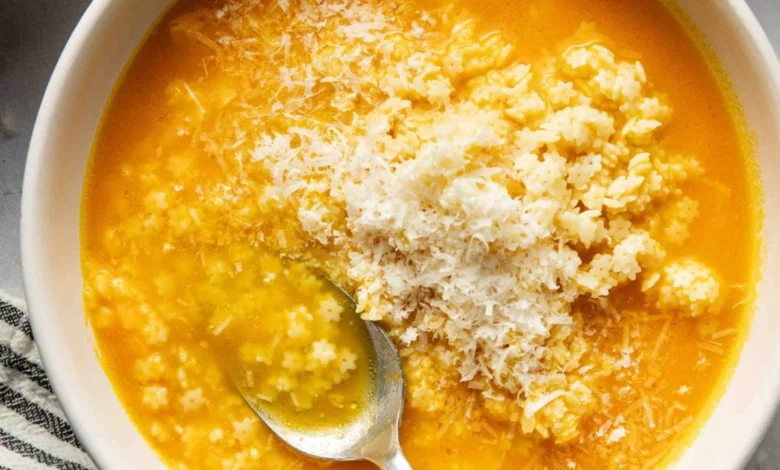
The culinary phenomenon colloquially known as "Italian Penicillin"—a simple, nourishing bowl of tiny star-shaped pasta submerged in a savory, aromatic broth—has seen a significant resurgence in popularity, transcending its roots as a domestic remedy to become a trending topic in contemporary home cooking. While the dish has been a staple in Italian-American households for generations, its recent elevation in the public consciousness, driven by social media platforms and a renewed interest in "comfort-centric" nutrition, highlights a broader societal shift toward prioritizing restorative, easily digestible foods during periods of illness or seasonal fatigue.
Historical Context and Cultural Significance
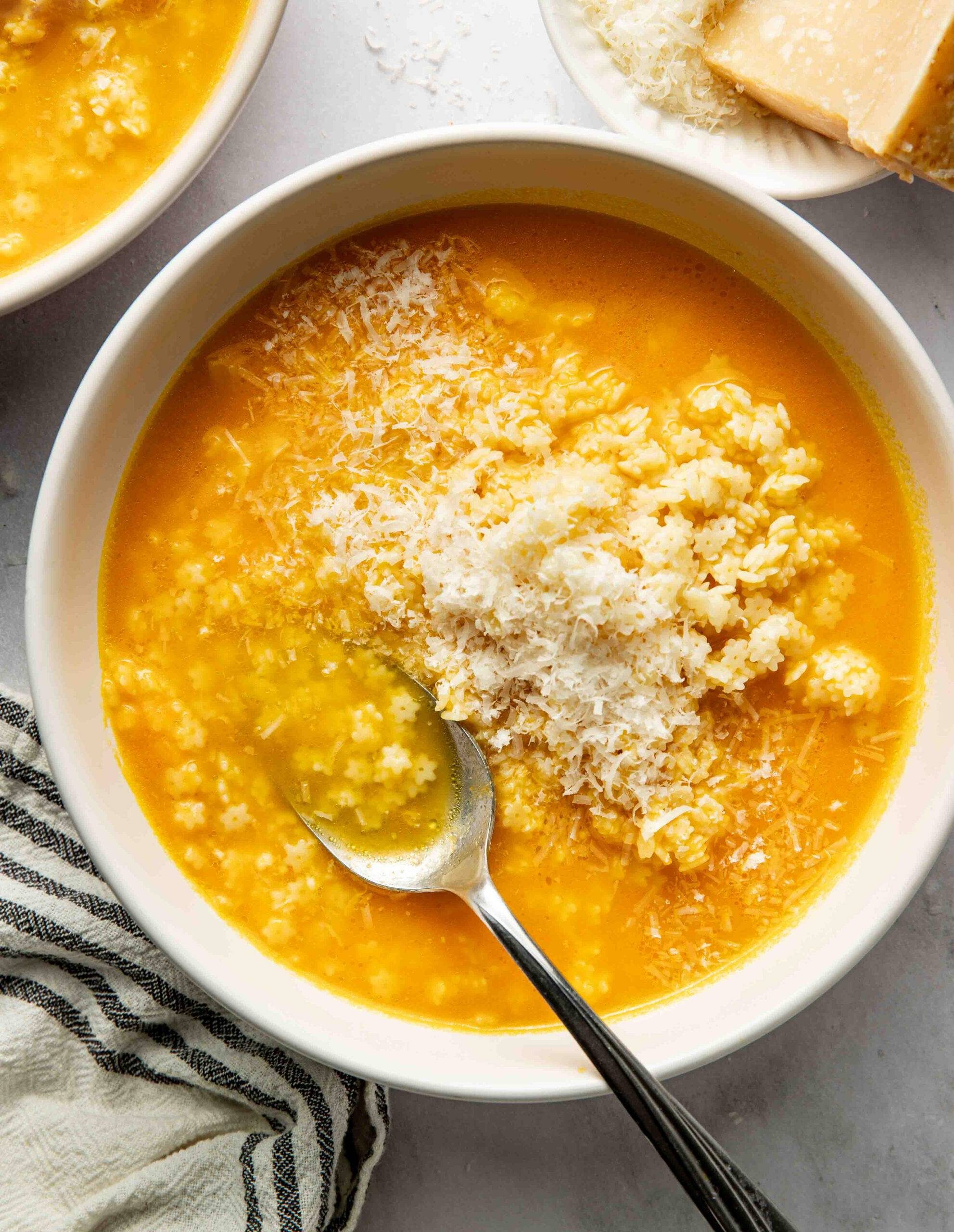
Pastina, derived from the Italian word for "little dough," refers to a variety of tiny pasta shapes, most notably stelline (little stars). Historically, this dish was positioned not merely as a meal, but as a culinary intervention. In many Italian households, the preparation of pastina served as a foundational skill for young cooks, often associated with caregiving. The term "Italian Penicillin" serves as a cultural descriptor for the dish’s perceived ability to provide warmth, hydration, and easily accessible calories to those suffering from common ailments like the seasonal flu or the common cold.
The methodology behind the soup is rooted in the tradition of brodo (broth). Unlike commercial soups that rely on heavy seasonings or complex proteins, the traditional preparation focuses on a clear, vegetable-infused liquid base that is light on the digestive system while providing the necessary electrolytes and warmth to alleviate symptoms of congestion or malaise.

The Anatomy of the Dish
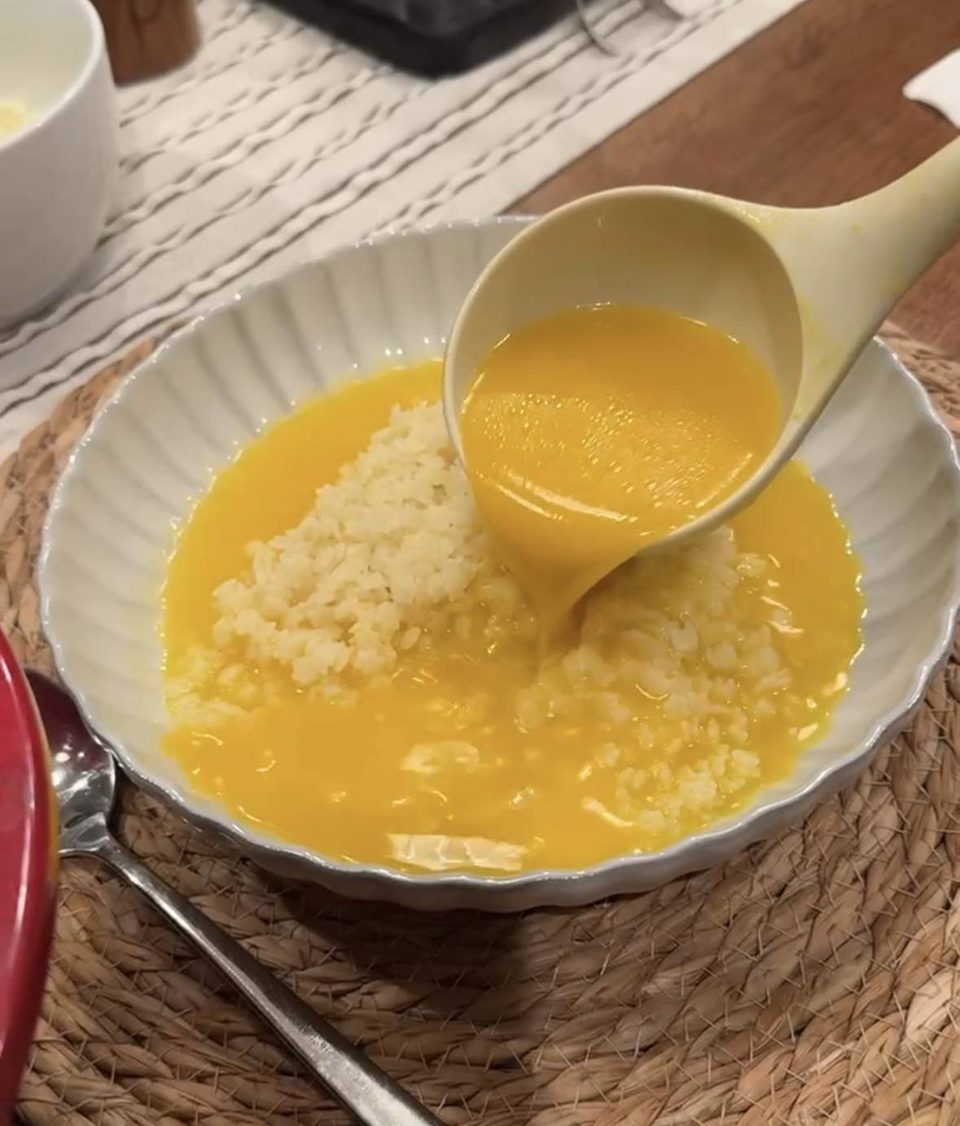
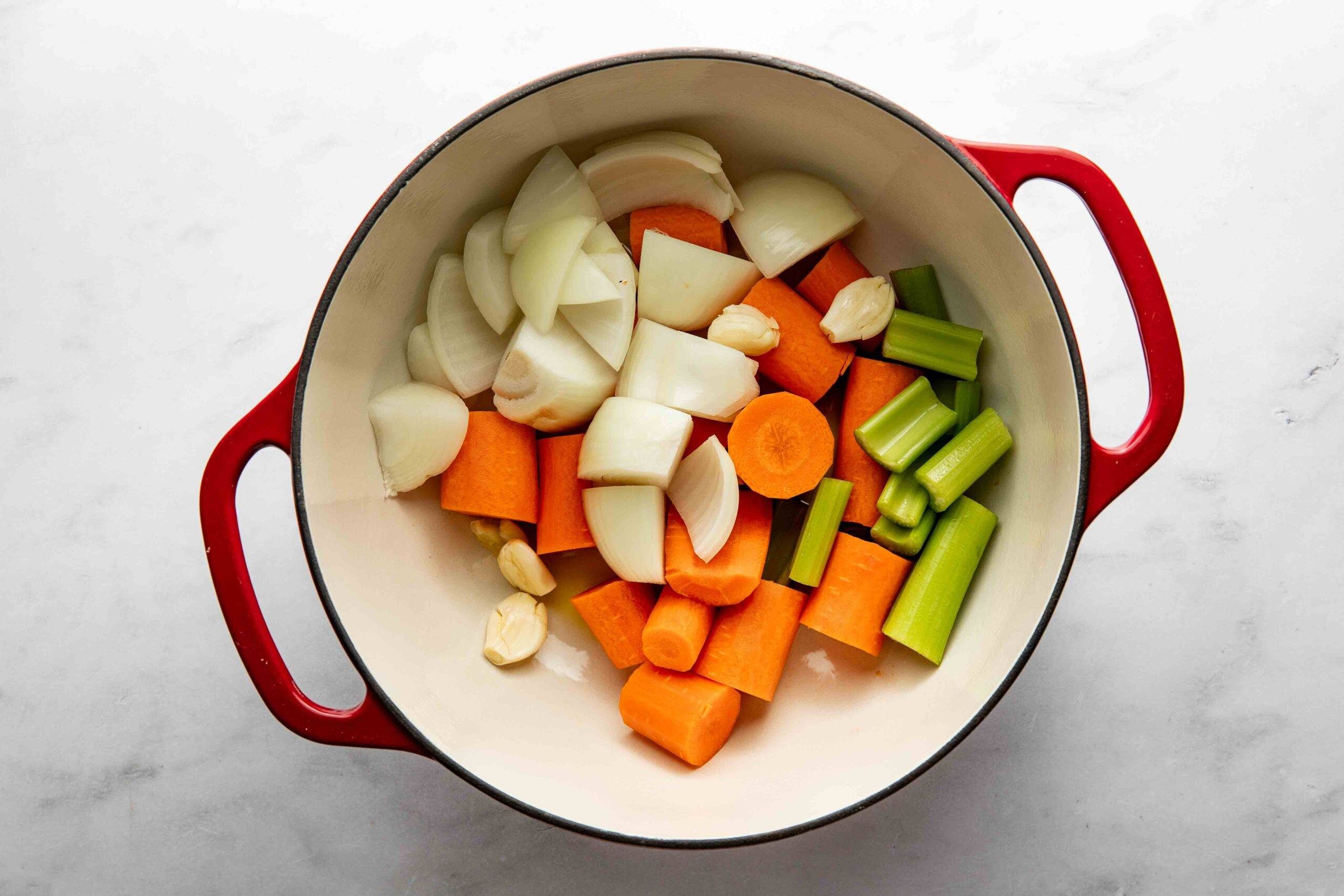
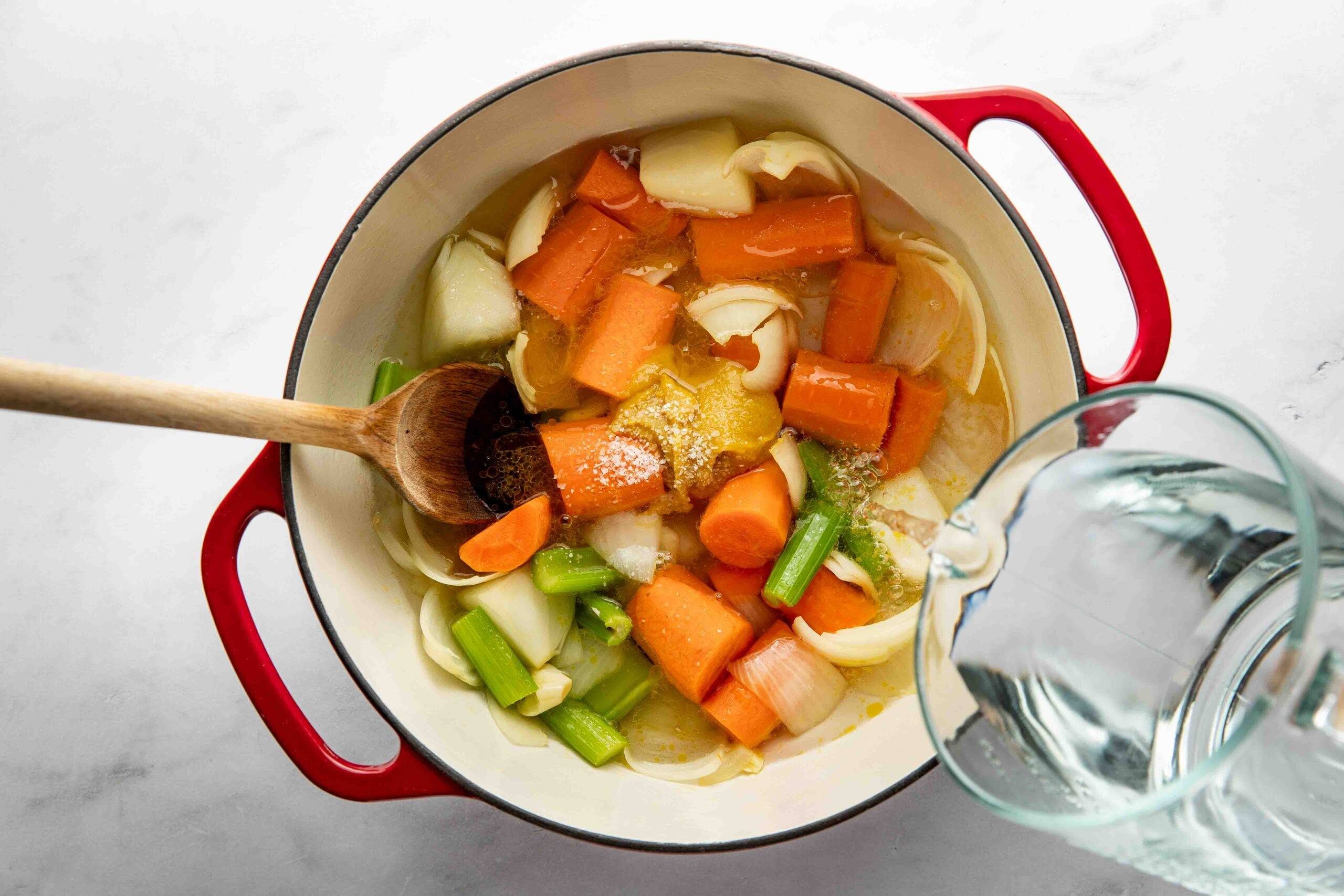
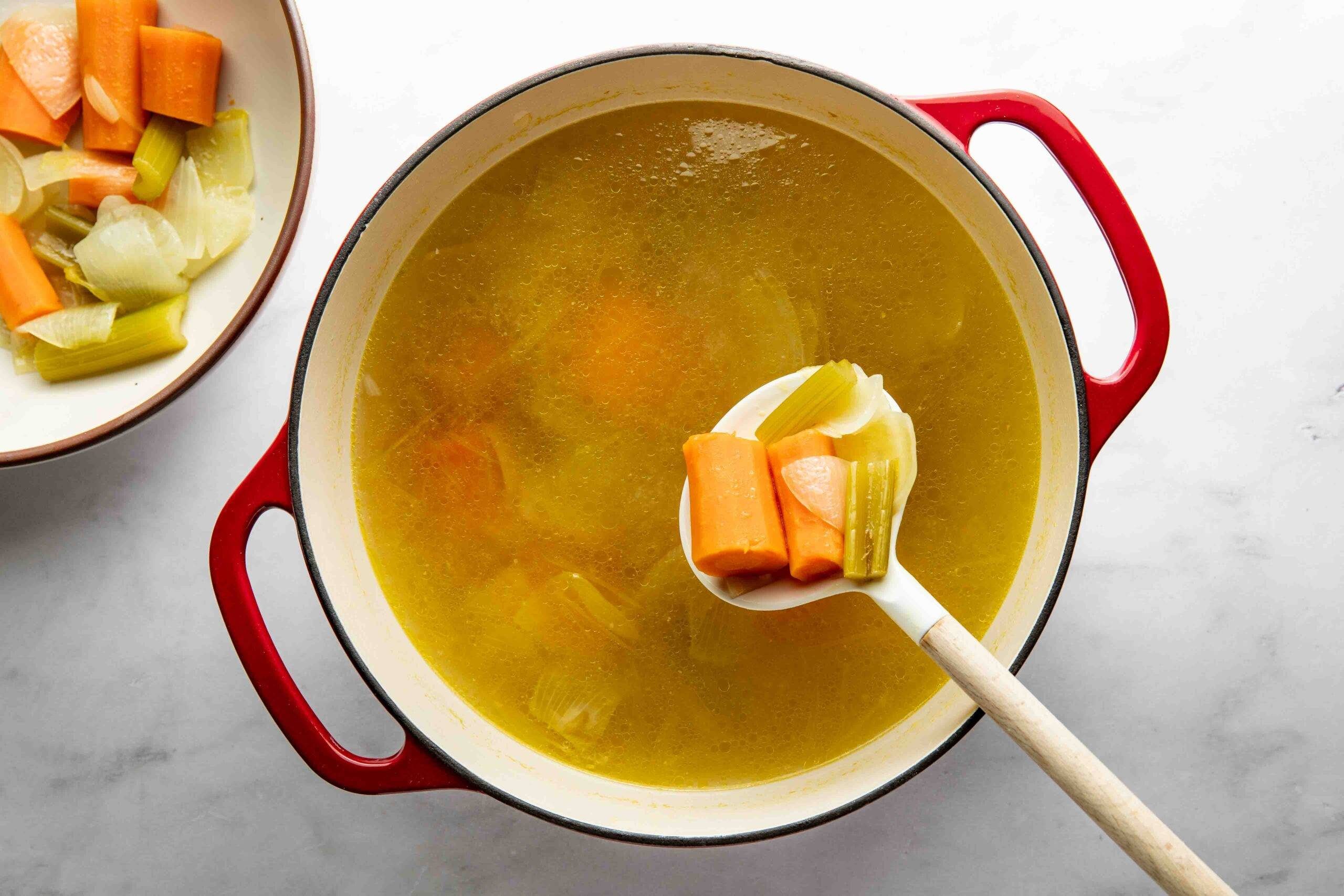
A standard preparation involves a two-stage process: the creation of a nutrient-dense broth and the separate preparation of the pasta. The broth is typically developed by simmering aromatic vegetables—carrots, celery, and onions—before straining them. In many modern interpretations, these vegetables are blended back into the liquid to provide a richer, more emulsified texture without sacrificing the clarity of the broth.
Nutritionists often point to the inherent benefits of such a dish. During illness, the body requires hydration and complex carbohydrates for sustained energy. The simple structure of the soup—often fortified with a touch of olive oil and grated Parmesan cheese—offers a balance of fats and proteins that are gentle on the stomach. The high water content serves as a critical tool for maintaining hydration, while the warmth of the liquid acts as a vasodilator, potentially assisting in loosening mucus and soothing irritated throat tissues.
The Rise of Digital Culinary Trends
The recent surge in interest regarding pastina can be attributed to the rise of "cozy content" on platforms such as TikTok and Instagram. Since roughly 2020, there has been a quantifiable shift in consumer interest toward recipes that promise simplicity, nostalgia, and accessibility. Data analytics from culinary websites suggest that search volume for "simple soup recipes" and "comfort food for illness" increases by approximately 40% during the peak of the winter flu season, typically spanning from December to February.
This trend is not isolated to domestic kitchens. Food historians note that the "Italian Penicillin" phenomenon aligns with a post-pandemic trend where consumers are seeking "food as medicine." The movement away from highly processed, shelf-stable convenience foods toward "scratch-made" but low-effort meals has placed traditional, heritage-based recipes in the spotlight.

Comparative Nutritional Analysis
When comparing pastina soup to its common counterpart, traditional chicken noodle soup, several differences emerge. While chicken noodle soup relies on the protein content of poultry and the presence of larger noodles, pastina is significantly lower in sodium if prepared with a high-quality vegetable base or a low-sodium bouillon.
From a physiological perspective, the smaller surface area of the pasta allows it to cook rapidly, making it an ideal candidate for caregivers who may be ill themselves and possess limited energy for complex kitchen tasks. This efficiency, combined with the low cost of ingredients—pasta, aromatics, and bouillon—makes the dish a highly democratic form of nutrition, accessible across diverse socioeconomic brackets.
The Broader Economic and Social Implications
The popularity of this dish reflects a larger transition in how families manage household wellness. In the early 20th century, the reliance on such remedies was a matter of necessity due to limited medical access in immigrant communities. Today, the reliance on these recipes is more reflective of a desire for "holistic wellness," where the psychological comfort of a home-cooked meal is valued alongside clinical treatment.
Retailers have taken notice of this shift. Large grocery chains have reported increased stock rotation for specialty pastas like stelline and orzo during the winter months. Furthermore, the "Better Than Bouillon" brand, often cited in these recipes as a base component, has seen consistent growth in the "premium stock" category, indicating that consumers are willing to invest in higher-quality pantry staples to elevate simple, at-home meals.
Expert Perspectives on Comfort Nutrition
Medical professionals often emphasize that while "Italian Penicillin" is not a pharmaceutical replacement for antibiotics or antiviral medications, its role in supportive care is valid. Dr. Elena Rossi, a nutritionist specializing in pediatric wellness, notes that "the psychological impact of a warm, familiar meal should not be underestimated. When a patient is ill, the appetite is often the first thing to decline. Providing a food that is easy to swallow, non-offensive to the palate, and hydrating provides a baseline of support that helps the body focus its energy on immune response."
Furthermore, the act of cooking for others—or oneself—has been linked to improved mental health outcomes. The repetitive, rhythmic nature of chopping vegetables and watching a broth simmer can serve as a meditative practice, reducing the stress hormones that can otherwise inhibit recovery during a period of physical illness.
Future Outlook
As the landscape of home cooking continues to be influenced by social media, the trajectory of "Italian Penicillin" suggests it will remain a permanent fixture in the modern culinary lexicon. It represents a synthesis of heritage and necessity, providing a template for future recipes that prioritize the "less is more" philosophy.
The longevity of this trend will likely depend on the continued availability of high-quality ingredients and the ongoing cultural emphasis on self-care. As families continue to navigate the complexities of seasonal health challenges, the reliance on simple, time-tested recipes serves as a reminder that the most effective solutions are often the ones that have been passed down through generations. Whether viewed through the lens of culinary history or nutritional science, the simple bowl of star-shaped pasta in broth stands as a testament to the enduring power of comfort, community, and the fundamental human need for nourishment.