The Evolution of a Cultural Icon
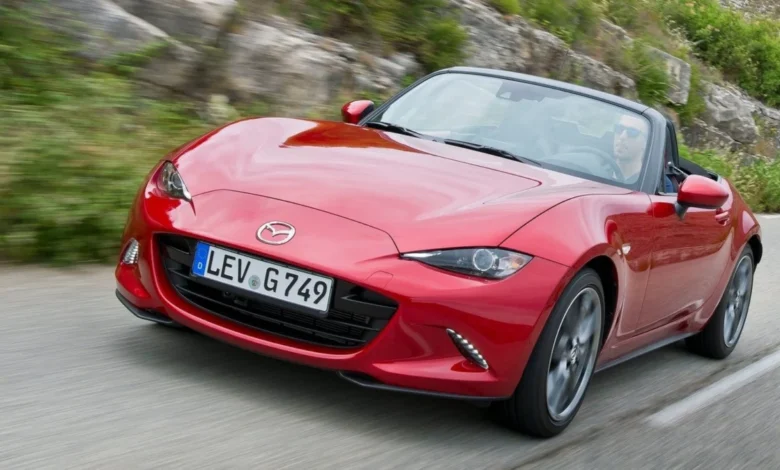
The Mazda MX-5 Miata, first introduced at the Chicago Auto Show in February 1989, was developed under the philosophy of "Jinba Ittai"—the Japanese term for the perfect synergy between horse and rider. At the time of its release, the sports car market was dominated by increasingly complex, expensive, and often unreliable European offerings. Mazda sought to provide a lightweight, rear-wheel-drive roadster that prioritized mechanical simplicity and driver engagement over raw horsepower.
The first generation, known as the NA, was a global sensation. Its design, characterized by iconic pop-up headlights and a curb weight of roughly 2,100 pounds, established a blueprint that Mazda has meticulously refined over four generations. By the time the fourth generation (ND) debuted in 2015, Mazda had successfully navigated shifting safety regulations and consumer demands for technology without sacrificing the car’s fundamental purpose: providing an accessible, visceral driving experience.
Financial Context and Market Positioning
For the modern consumer, the $32,640 starting price point places the Miata in a unique category. It sits above entry-level economy sedans but significantly below the price floors of most luxury performance coupes. When evaluating this investment, financial analysts often point to the total cost of ownership rather than just the initial sticker price.
The Miata’s longevity is bolstered by its mechanical simplicity. Unlike high-performance vehicles that require expensive, specialized maintenance schedules, the MX-5 utilizes a naturally aspirated 2.0-liter Skyactiv-G engine. This powertrain is noted for its reliability and fuel efficiency, with most models achieving upwards of 30 mpg on the highway. When amortized over a standard 60-month financing term, the monthly expenditure of approximately $544 represents a competitive entry point into the enthusiast car market. Furthermore, historical data from automotive valuation services like Kelley Blue Book consistently show that the MX-5 maintains a high resale value compared to its peers, mitigating the depreciation curve that typically affects new vehicle purchases.
Engineering and Performance Metrics
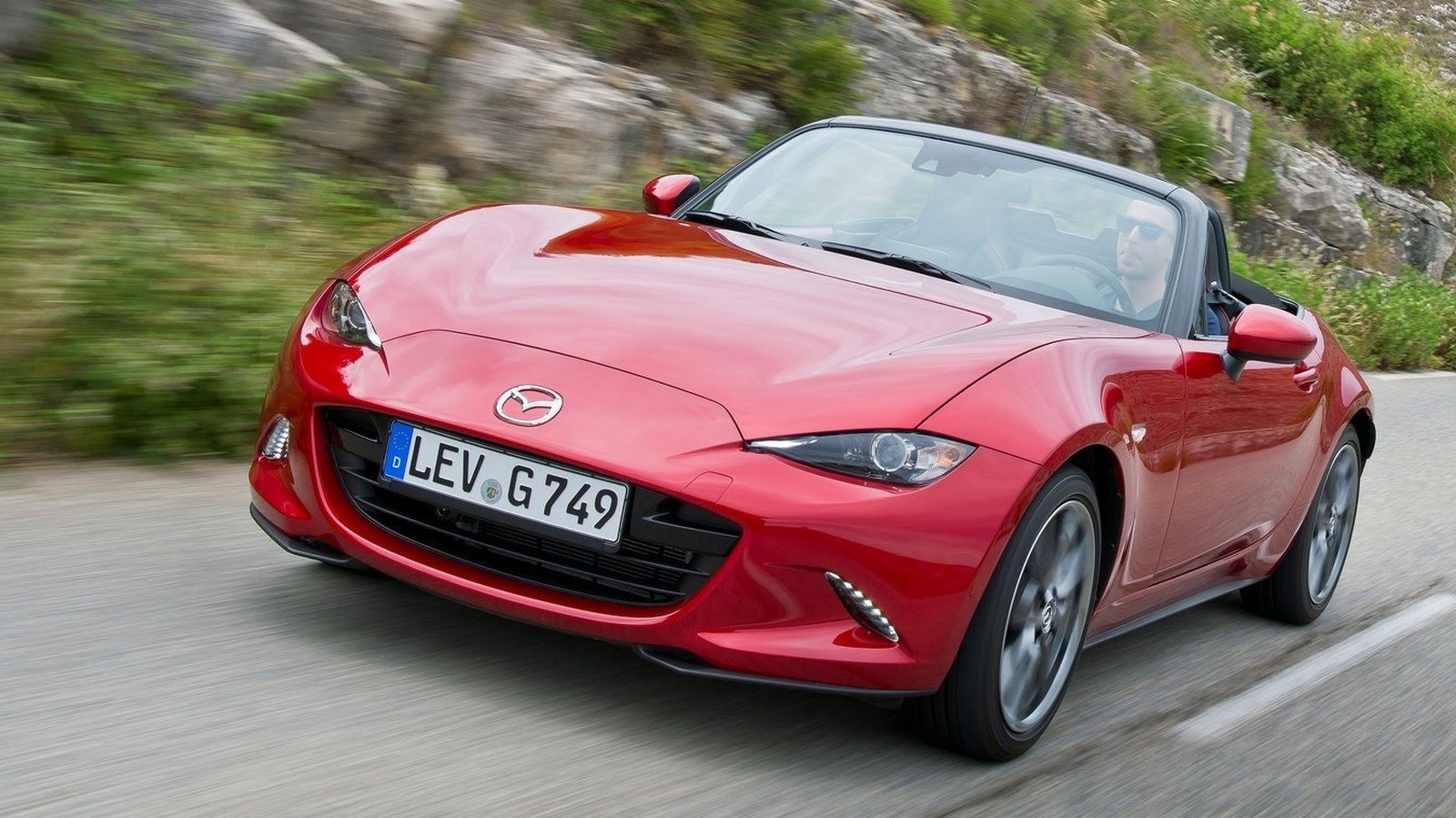
The current iteration of the Miata, the ND2/ND3, offers a sophisticated balance of power and agility. Producing 181 horsepower and 151 lb-ft of torque, the engine is tuned to deliver power linearly, encouraging drivers to utilize the full rev range. The car’s curb weight remains impressively low—hovering around 2,300 to 2,400 pounds—which allows the vehicle to outperform many heavier, more powerful cars on winding roads and technical circuits.
The chassis dynamics are a subject of significant industry acclaim. The inclusion of a double-wishbone front suspension and a multi-link rear setup provides precise handling characteristics. Independent testing by automotive publications consistently ranks the MX-5 at the top of its class for steering feedback, brake modulation, and chassis communication. For the consumer, this translates to a vehicle that is not only "fun" but also highly responsive, which contributes to overall safety in accident-avoidance scenarios.
Community and Social Impact
Beyond the technical specifications, the Mazda Miata has cultivated one of the most robust and active automotive communities in the world. Owners’ clubs, such as the Miata Club of America and various international equivalents, organize frequent track days, scenic drives, and technical workshops. This community infrastructure serves as a support network for owners, facilitating the sharing of parts, knowledge, and maintenance tips, which further reduces the long-term cost of ownership.
From a sociological perspective, the Miata occupies a unique space in modern car culture. It is one of the few vehicles that transcends demographic barriers, appealing to both seasoned car collectors and first-time buyers. The accessibility of the platform has fostered a culture of inclusivity, moving away from the more exclusionary nature of high-end supercar ownership.
Broader Implications of the Miata Philosophy
The continued existence of the MX-5 Miata is a testament to Mazda’s commitment to a specific driving philosophy. In an era where the automotive industry is shifting rapidly toward electrification and autonomous driving, the Miata serves as a crucial bridge to the heritage of internal combustion and mechanical connection.
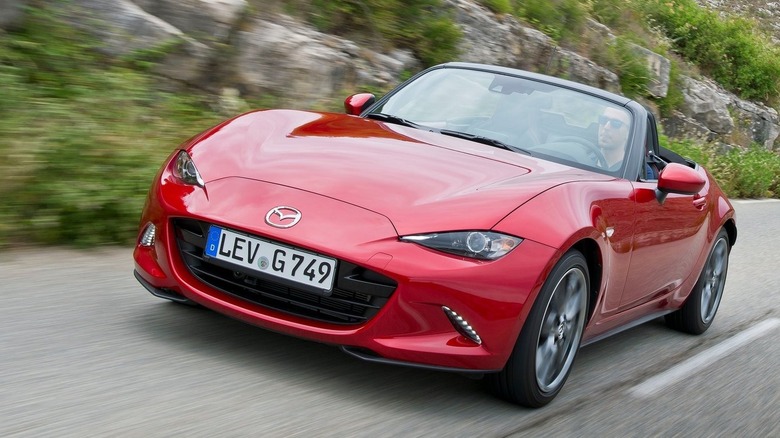
Analysts have often questioned whether the Miata can survive the transition to electric power. Mazda has hinted at future hybridization and eventual electrification of its performance lineup, yet they have maintained that the "soul" of the car—its lightweight nature and communicative handling—must be preserved at all costs. This commitment has made the Miata a barometer for the health of the enthusiast market. As long as there is a demand for a car that offers an unfiltered connection to the road, the Miata will likely remain a staple of the global automotive portfolio.
Conclusion: A Rational Choice for the Enthusiast
While the initial proposition of purchasing a new sports car can be viewed through the lens of luxury, the Mazda MX-5 Miata challenges this by presenting itself as a rational, reliable, and durable piece of machinery. When weighing the factors of depreciation, maintenance costs, and the intangible value of driver engagement, the argument for the Miata becomes compelling.
It is a vehicle that does not attempt to be everything to everyone; instead, it strives to be the best version of a roadster. By focusing on the fundamentals of automotive engineering—weight reduction, balance, and mechanical feedback—Mazda has created a product that continues to satisfy owners long after the initial excitement of the purchase fades. For those in the market for a new vehicle who value the experience of driving as much as the utility of transportation, the Miata remains a benchmark that few competitors have been able to successfully challenge. The data, the history, and the engineering consensus all point to a vehicle that delivers on its promises, making it a sound acquisition for any consumer seeking to invest in a superior driving experience.