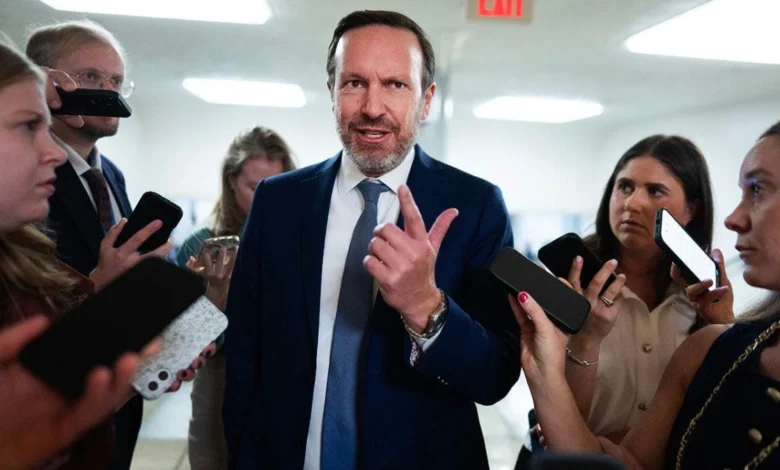
U.S. Senator Chris Murphy, a Democrat representing Connecticut, is currently recovering at Johns Hopkins Hospital after suffering a stroke over the weekend. According to an official statement released by his chief of staff, Allison Herwitt, the 53-year-old lawmaker experienced sudden physical symptoms while attending a family event and was promptly rushed to medical facilities for emergency intervention.
The incident, which occurred on a Saturday afternoon while Senator Murphy was watching his son play in a hockey game, has drawn widespread well-wishes from political figures across the ideological spectrum. Medical personnel have reported that the senator is responding positively to ongoing treatments, remaining awake, alert, and under close medical observation. While the health scare temporarily disrupted his active political schedule, his medical team and office remain optimistic about a full recovery.
Chronology of Events: From the Rink to Johns Hopkins
The medical emergency unfolded rapidly on Saturday afternoon, altering what was supposed to be a routine weekend for the senator, who had maintained a grueling travel and campaign schedule leading up to the midterm elections.
According to Herwitt’s detailed timeline, Senator Murphy first noticed an alarming physical sensation—specifically, a sudden onset of numbness in his arm—while seated in the stands at his son’s hockey game. Recognizing the potential severity of the symptom, immediate action was taken. He was swiftly transported to a local community hospital for initial diagnostic evaluations.
Upon arrival, attending physicians conducted neurological scans and clinical assessments, which confirmed that the senator had suffered a stroke. Given the delicate nature of cerebrovascular events and the need for specialized neurological care, medical decision-makers coordinated a transfer to Johns Hopkins Hospital in Baltimore, Maryland. Known for its world-class neurology and neurosurgery departments, Johns Hopkins provided the advanced monitoring and specialized interventions required for optimal stroke management.
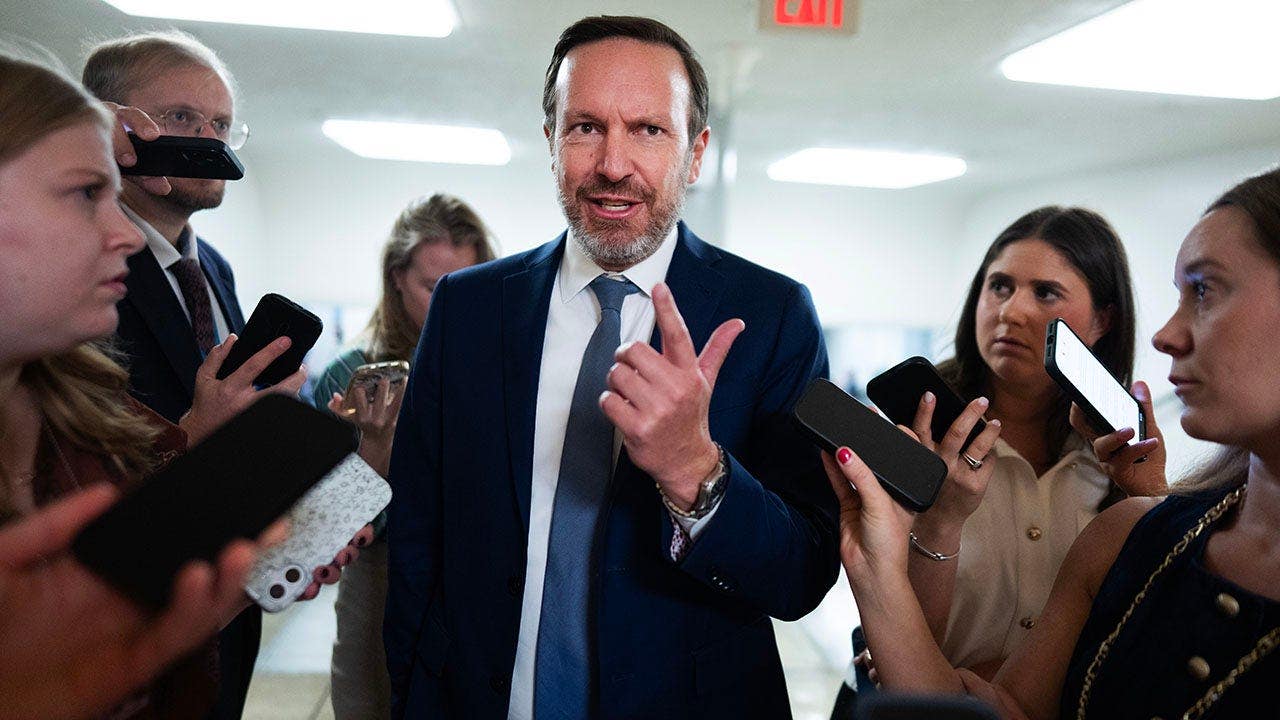
By Sunday morning, Herwitt released an encouraging update to the public, noting that the senator was not only stable but actively responding to therapies. Doctors expressed optimism regarding his trajectory, highlighting his alertness and steady physical progress.
A Rigorous Campaign Schedule Interrupted
Prior to the medical emergency, Senator Murphy had been one of the Democratic Party’s most active surrogates on the national stage. Although he is not personally up for reelection in the current midterms—having last won a full six-year term in 2024—he has spent the past several weeks crisscrossing the country to campaign for Democratic Senate and House candidates aiming to shift the balance of power in Congress.
His itinerary leading up to the weekend had been packed. In addition to legislative duties in Washington, D.C., Murphy had maintained an aggressive travel schedule, rallying voters and fundraising for key races. On the day of his stroke, he had been preparing for a high-profile campaign swing through New Hampshire scheduled for Sunday, where he was slated to headline events supporting regional Democratic nominees. Those appearances were immediately canceled following his hospitalization.
Elected to the United States Senate in 2012 and taking office in January 2013 after serving four terms in the House of Representatives, Murphy has steadily risen through the ranks of the Democratic leadership. Beyond his legislative portfolio—which heavily features gun control advocacy, foreign policy, and healthcare initiatives—he is frequently mentioned by political analysts as a prominent national voice and a potential contender in the 2028 Democratic presidential primary.
Medical Context: Understanding Strokes and Early Warning Signs
Senator Murphy’s medical event brings renewed public attention to cerebrovascular accidents, commonly known as strokes, which remain a leading cause of serious long-term disability and mortality in the United States. According to data from the Centers for Disease Control and Prevention (CDC) and the American Heart Association (AHA), someone suffers a stroke every 40 seconds in the U.S., translating to more than 790,000 cases annually.
Medical experts emphasize that recognizing symptoms quickly—often summarized by the acronym FAST (Face drooping, Arm weakness, Speech difficulty, Time to call 911)—is critical to minimizing long-term brain damage. In Senator Murphy’s case, the sudden numbness in his arm served as a classic indicator prompting immediate intervention. Timely administration of clot-busting medications or mechanical thrombectomy procedures within the crucial "golden window" of a few hours after symptom onset dramatically increases the likelihood of a positive recovery, a factor that appears to have worked in the senator’s favor.
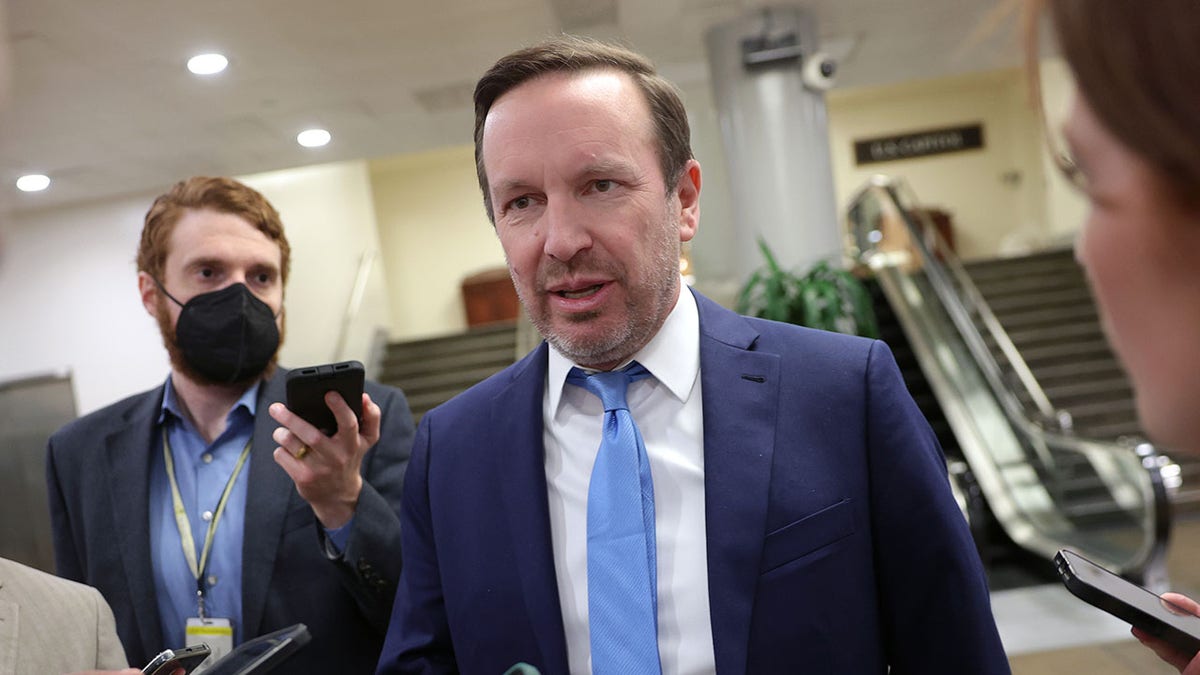
The incident also mirrors other recent high-profile health scares among American political figures, prompting renewed conversations regarding the intense physical demands, high-stress environments, and grueling schedules endured by elected officials, many of whom maintain demanding travel routines well into middle and older age.
Bipartisan Well-Wishes and Political Implications
News of Senator Murphy’s hospitalization generated an immediate wave of bipartisan support. Lawmakers from both sides of the aisle took to social media and issued formal statements wishing the Connecticut senator a speedy and complete recovery. Colleagues commended his dedication to public service while emphasizing that health must always take precedence over political duties.
Politically, the temporary absence of Senator Murphy from the campaign trail leaves a noticeable void for the Democratic Party during a crucial stretch of the midterm election cycle. As Democrats fight to defend or expand their legislative margins, the loss of a top-tier national surrogate requires campaign organizers to quickly adjust their rosters and redeploy other high-profile figures to cover scheduled events, particularly in battleground states like New Hampshire.
However, political analysts note that the immediate focus remains entirely on Murphy’s health rather than the electoral calculus. Given his youth—at 53 years old—and the positive medical prognostications issued by his team, observers anticipate that his recovery will be monitored closely by supporters and political observers alike as he works toward returning to his legislative duties in Washington.
Outlook and Next Steps
As of Sunday evening, Senator Murphy remains under observation at Johns Hopkins Hospital, where multidisciplinary medical teams continue to evaluate his progress. His office has indicated that additional updates regarding his discharge and eventual return to Capitol Hill will be provided as appropriate.
For now, the senator’s family, congressional staff, and political allies are focusing on his recuperation, expressing profound gratitude for the swift response of emergency medical personnel and the expert care provided by the medical staffs at both the initial local facility and Johns Hopkins.