With the midterm elections just days away, the political landscape is experiencing a late-stage surge of uncertainty, particularly regarding the balance of power in the United States Senate. Republicans currently hold a narrow 53-47 majority in the upper chamber, but a combination of strategic Democratic campaigns, polling trends in unexpected states, and vulnerabilities among Republican candidates has opened a viable path for Democrats to seize control.
According to Dan Turrentine, a prominent Democratic operative and former chief of staff to Colorado Governor Jared Polis, the final days before the election are marked by palpable anxiety among political strategists on both sides of the aisle. Speaking in an exclusive interview, Turrentine highlighted that what was once considered a secure Republican majority is now effectively a coin flip, with outcomes heavily dependent on voter turnout, shifting demographics, and the performance of individual candidates down ballot.
The shifting momentum underscores a broader electoral phenomenon: the unpredictability of "change elections" and the challenges modern pollsters face in capturing the sentiment of a fractured electorate. While Democrats eye pickups in historically safe Republican territory, the path to a Senate majority runs through unexpected regions, bringing intense national scrutiny to races that traditionally would not have been competitive.

The Battleground Map: From Traditional Swing States to Deep Red Strongholds
The current electoral map features competitive races far beyond standard battlegrounds like Ohio and Michigan. Traditionally deep-red states such as Texas, Kansas, and Missouri have seen unexpectedly tight margins, giving Democrats renewed optimism about expanding their legislative footprint.
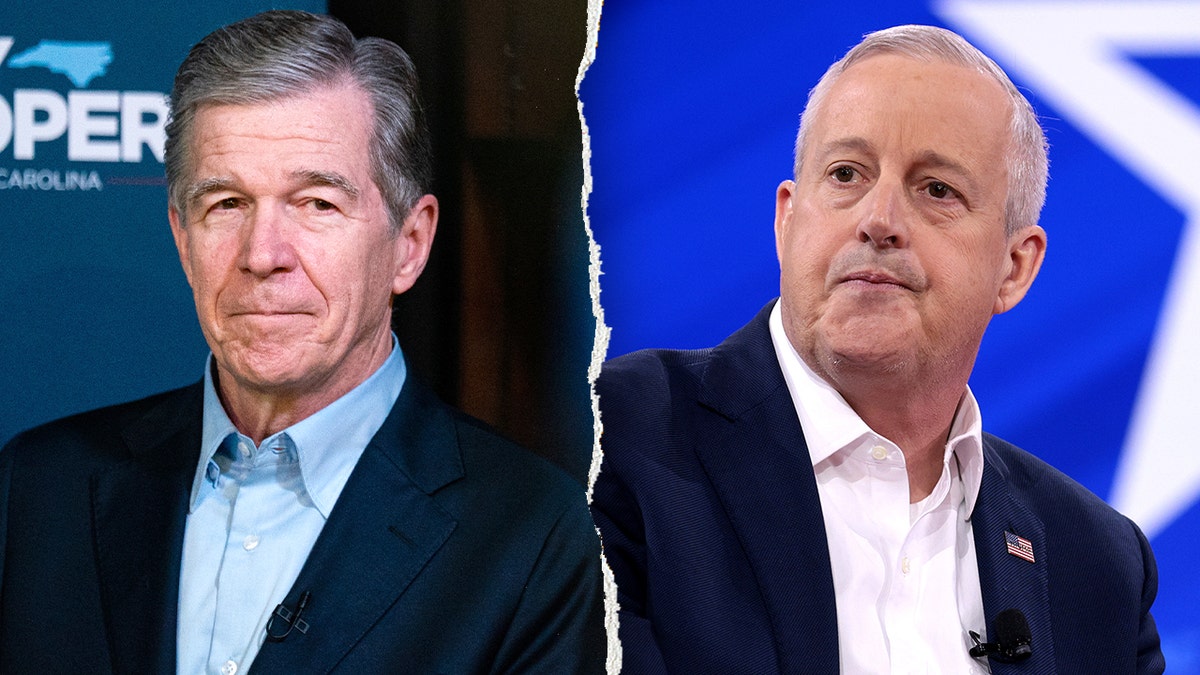
In North Carolina, where incumbent Republican Senator Thom Tillis is retiring, the race has emerged as a prime opportunity for a Democratic pickup. Recent polling indicates that former Democratic Governor Roy Cooper holds a commanding lead over his Republican opponent, former Republican National Committee chairman Michael Whatley. For decades, North Carolina has leaned Republican in federal elections, but demographic shifts in urban centers and suburban areas have gradually altered the state’s political calculus.
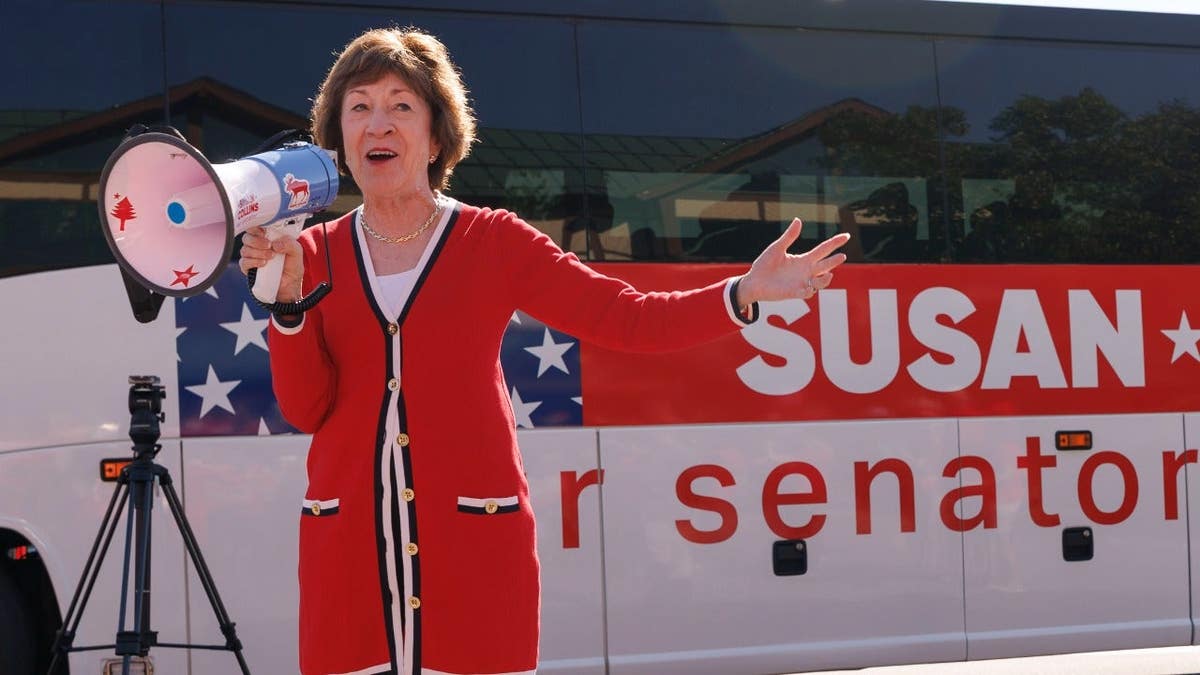
Meanwhile, other races across the country are highlighting vulnerabilities for the GOP. In Maine, long-serving Republican Senator Susan Collins finds herself in a fiercely contested reelection battle. Trailing Democratic challenger Troy Jackson in recent polling, Collins represents a traditional brand of Republican politics that is increasingly tested in a polarized political climate. If the majority ultimately comes down to Maine or Alaska, it would mark one of the most volatile finishes to a midterm cycle in recent history.
Candidate Quality and Down-Ballot Vulnerabilities
Turrentine pointed directly to candidate selection as a primary vulnerability for the Republican Party this election cycle. While national headwinds and presidential approval ratings frequently dominate political commentary, Turrentine argues that the deciding factor in several tight races is the caliber and appeal of the candidates themselves.
He specifically highlighted several high-profile races where Republican candidates have struggled to consolidate support or maintain broad electoral appeal:
- Texas, where figures like Ken Paxton have faced intense scrutiny and competitive challenges.
- Mississippi, featuring incumbent Republican Cindy Hyde-Smith.
- Kansas, represented by Senator Roger Marshall.
- South Carolina, where the race to fill the seat of the late Senator Lindsey Graham has shifted significantly in recent polling, placing the traditionally safe seat into toss-up territory.
"If Republicans lose the Senate, it’s likely one of those four loses," Turrentine noted, emphasizing that while the broader political environment sets the stage, individual campaign execution dictates the final outcome. Weaknesses in these key races have allowed well-funded and organized Democratic campaigns to capitalize on voter dissatisfaction and secure critical momentum in the final stretch.
Polling Challenges and the "Silent Majority" Problem
As election analysts parse the final polls, campaigns on both sides are treating the numbers with extreme caution. The polling industry has faced repeated reckoning following unexpected outcomes in the 2016, 2022, and 2024 elections, where late-breaking dynamics frequently eluded predictive models.
Reaching modern voters has become an increasingly complex logistical hurdle. The decline of landlines, the proliferation of spam-blocking technology, and a general reluctance among certain demographics to answer calls from unknown numbers have complicated traditional polling methodologies. Consequently, campaigns are often left operating in the dark regarding the true intensity of voter enthusiasm.
Furthermore, strategists are wrestling with the behavior of key voting blocks, particularly disgruntled Trump supporters and early voters. In states like Texas, high early-voting numbers among Democrats have raised questions about whether the electorate is genuinely expanding or if high-propensity voters are simply banking their ballots ahead of Election Day. This ambiguity has left both parties uncertain about whether late-deciding voters will break decisively or choose to stay home.
Controversy and Late-Stage Surprises in Alaska
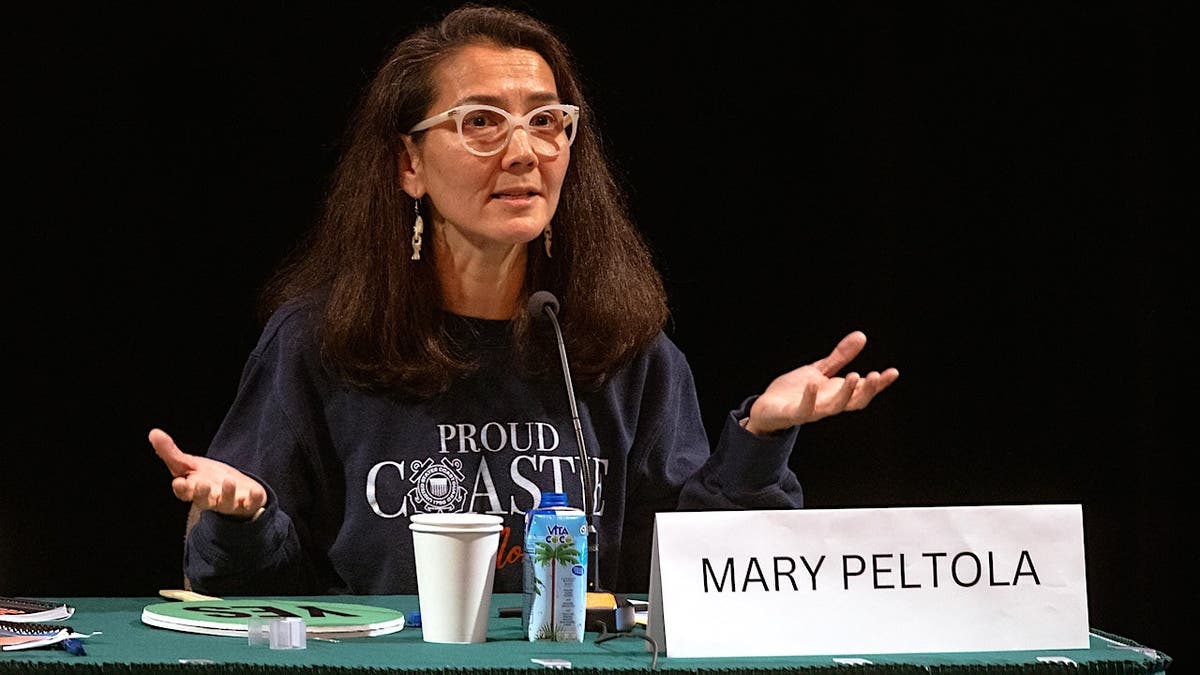
The fragility of the Senate majority was further illustrated by a recent political controversy in Alaska. A bombshell investigative report published by The New York Times alleged that former Representative Mary Peltola’s campaign and aligned Democratic operatives covertly recruited a candidate named Daniel J. Sullivan to run against incumbent Republican Senator Daniel S. Sullivan. The apparent objective of the maneuver was to create voter confusion at the ballot box, potentially siphoning votes away from the incumbent.
Peltola has strongly denied any personal involvement in recruiting the spoiler candidate. However, the revelation has added a layer of volatility to an already unpredictable race. Prior to the report’s publication, Peltola had maintained a consistent lead in state polling. In the wake of the controversy, analysts have reclassified the Alaska contest as a strict toss-up, demonstrating how rapidly late-breaking news can alter the trajectory of a competitive race.
If Alaska’s seat ultimately slips from Democratic grasp, the path to a Senate majority narrows significantly, requiring Democrats to sweep major contests in Ohio and Texas while securing an additional victory in states like Michigan, Maine, Kansas, or Mississippi.
Intra-Party Dynamics and Future Implications
Should Democrats successfully capture the Senate and potentially the House of Representatives, the party will immediately face internal ideological tests. A razor-thin majority would require a delicate coalition-building effort between moderate lawmakers, who are necessary to win in purple and red states, and the vocal, progressive wing of the party pushing for sweeping economic and social reforms.
Political observers note that leadership structures in Washington will face immediate scrutiny under a new Congress. In the House, Minority Leader Hakeem Jeffries is poised to assume the role of Speaker should Democrats flip the chamber. However, questions remain regarding his ability to unify the party across its diverse ideological factions compared to his predecessor, former Speaker Nancy Pelosi, who maintained strong trust across both moderate and progressive wings.
Concurrently, Senate Majority or Minority Leader Chuck Schumer faces similar pressures, navigating potential primary challenges from the left while attempting to hold together a fragile caucus. The internal tension between the "majority-makers"—moderates hailing from competitive districts—and the grassroots base will define the legislative agenda of the 115th Congress.
As voters head to the polls on Tuesday, the ultimate outcome remains balanced on a knife-edge. With control of both chambers of Congress hanging in the balance, the results will not only shape the legislative priorities of the federal government for the remainder of the presidential term but will also serve as a profound referendum on candidate quality, party strategy, and the evolving nature of American political participation.
Related posts: