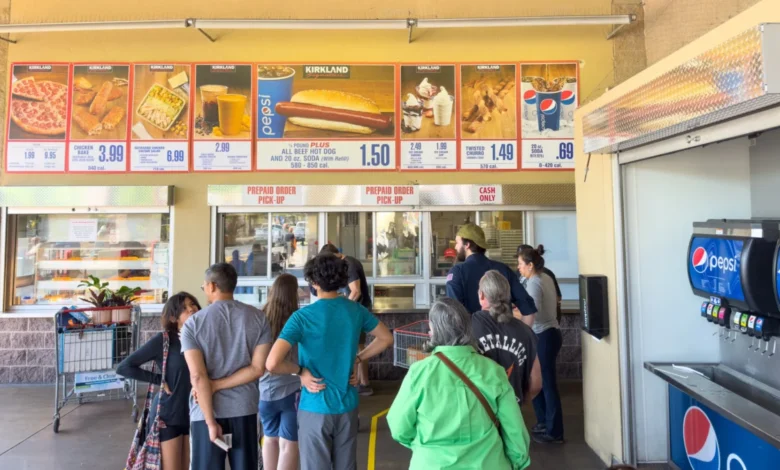
Nestled strategically past the checkout registers, adjacent to towering palettes of bulk household essentials and commercial-grade cleaning supplies, sits an American retail institution: the Costco wholesale food court. For decades, this auxiliary counter has served as a cultural touchstone for millions of shoppers, offering a reliable post-shopping ritual defined by remarkable value. Providing hot meals, treats, and beverages at famously low price points—such as the iconic $1.50 hot dog and soda combo that has remained untouched since 1985—the food court functions simultaneously as a pragmatic dining option and a customer loyalty reward. Yet, this streamlined menu is far from static.
Over the years, corporate leadership at Costco Wholesale Corporation has quietly added, modified, and eliminated numerous menu items. The rationale behind these culinary departures spans shifting global commodity costs, supply chain disruptions, operational efficiency efforts, and shifting consumer preferences toward health-conscious alternatives. While some menu shifts pass without notice, others trigger widespread consumer outcry. Today, digital message boards, niche online petitions, and social media archives are filled with nostalgia for past offerings. Examining these discontinued favorites reveals broader shifts in fast-casual retail dining, pricing strategies, and the delicate balance between corporate overhead and consumer sentiment.
The Evolution of the Costco Menu and Operational Pressures
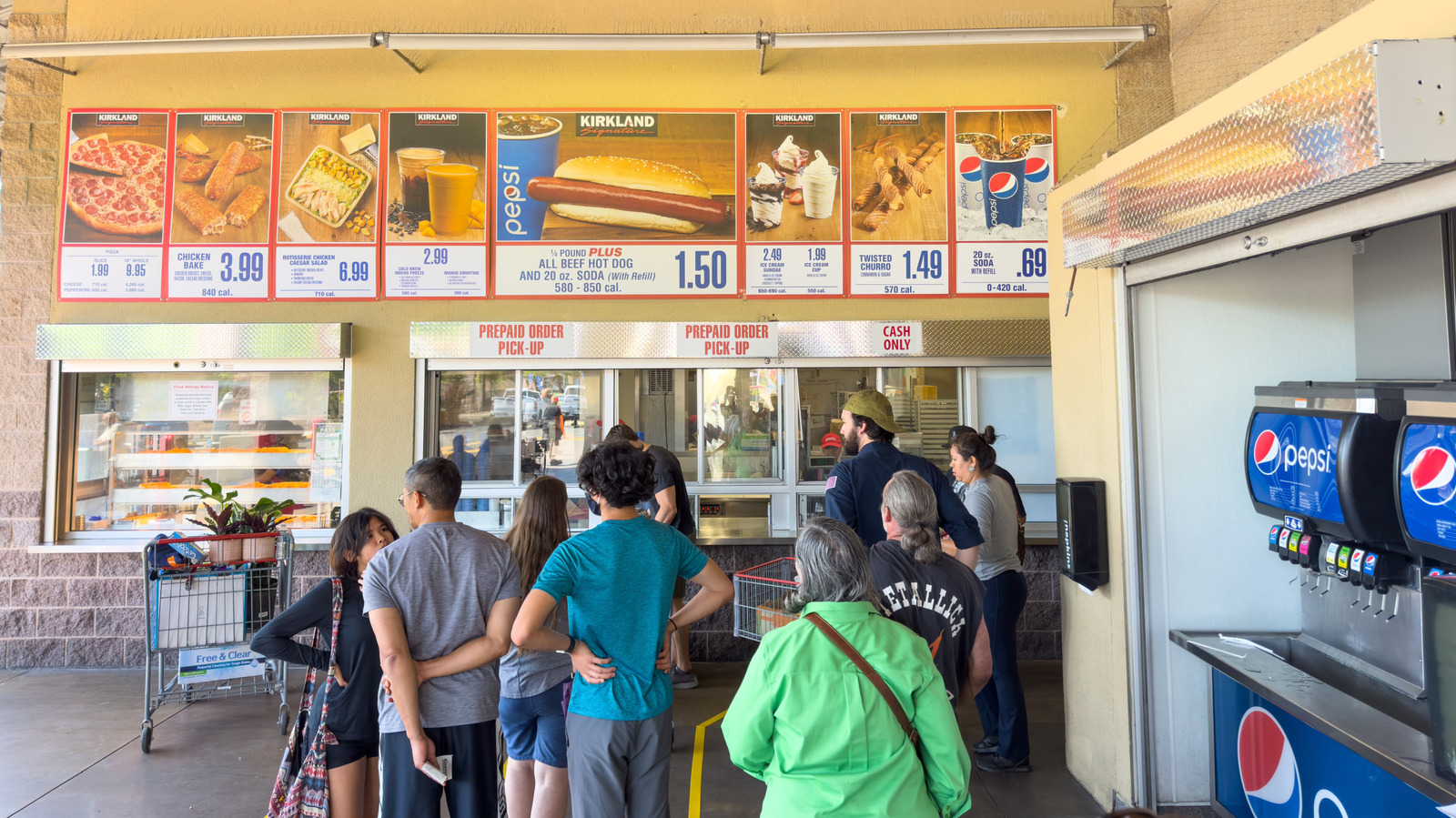
The operational philosophy of the Costco food court relies heavily on high-volume efficiency and minimal SKU (Stock Keeping Unit) complexity. By keeping the menu concise, warehouse staff can assemble and deliver orders rapidly, minimizing wait times for members hauling flatbeds loaded with bulk merchandise. Consequently, when menu items underperform, or when ingredient costs spike disproportionately to their retail price, management moves swiftly to clear space for new options.
Historically, corporate communications regarding menu updates have been sparse. Customers typically discover alterations only upon arriving at their local warehouse and facing an updated overhead menu board. This lack of advance notice has frequently exacerbated consumer disappointment, turning ordinary grocery trips into moments of unexpected culinary grief. To understand the depth of this attachment, it is necessary to examine the specific items that left the most significant void in the hearts and stomachs of Costco shoppers.
Sweet Indulgences and Frozen Treats Gone By
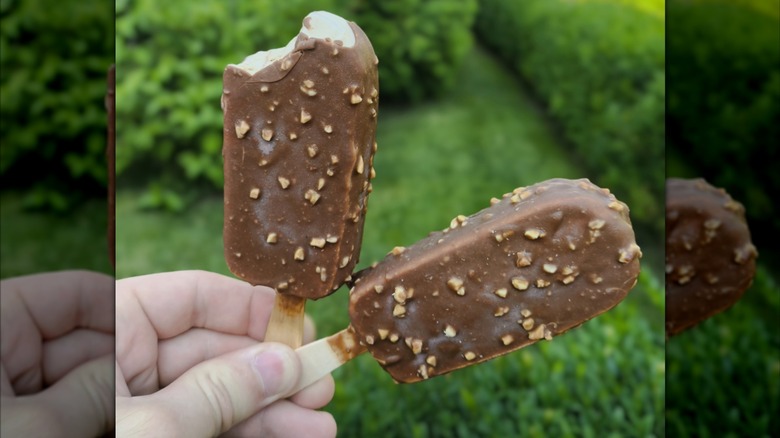
Long before contemporary soft-serve cups became the default dairy offering, the Costco food court menu featured Hand-Dipped Ice Cream Bars. Priced at a modest $1.50, these treats consisted of a vanilla ice cream bar on a stick, entirely coated in rich chocolate and studded with roasted almonds. Debuting decades ago, they achieved widespread popularity across the United States before vanishing in 2013. For many patrons, the bar was the primary motivation for a warehouse visit. Industry analysts attribute the eventual discontinuation to soaring almond prices, which began climbing steeply around 2010 and continued upward through 2013, making the $1.50 price point economically unsustainable for the warehouse retailer. Online petitions launched in the wake of the removal failed to alter corporate strategy, cementing the treat as a permanent casualty of commodity inflation.
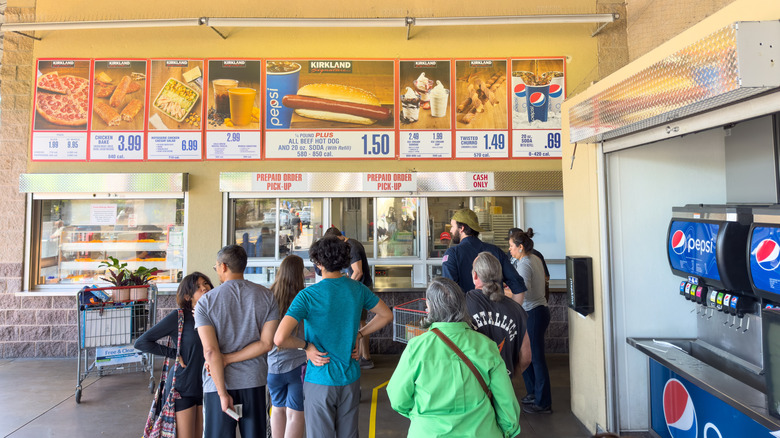
Similarly missed is the Chocolate Frozen Yogurt, a post-shopping staple that was pulled from menus in 2018 to make room for the short-lived Açaí Bowl. The departure of the chocolate soft-serve sparked local protests and digital petitions, with dedicated loyalists expressing genuine dismay over the loss of a foundational dessert. Critics argued that the transition signaled a departure from affordable comfort foods toward trendier, health-conscious alternatives.
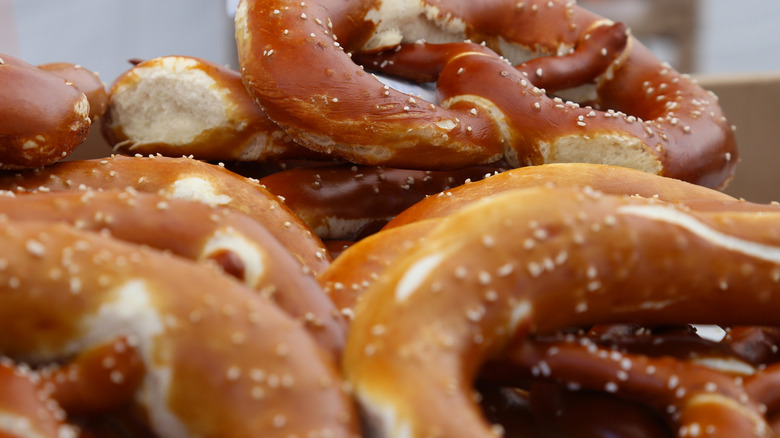
The beloved Cinnamon Sugar Pretzel also occupies a prominent place in Costco food court lore. Long before the introduction of the churro—which itself had a dedicated following before its own departure in 2024—shoppers could purchase a massive, warm, butter-brushed, cinnamon-and-sugar-coated soft pretzel. Disappeared during the 2000s, the pretzel was valued for its immense size and decadent flavor profile, aligning with Costco’s brand identity of offering oversized portions at exceptional value.
Savory Mainstays and Corporate Restructuring
The savory side of the menu has experienced equally dramatic losses. The Polish Dog, a garlic-forward, spiced sausage served on a traditional bun, served as the primary alternative to the classic all-beef hot dog for generations of shoppers. Around 2018, however, Costco made the decisive choice to remove the Polish Dog from U.S. food courts to streamline operations and pivot toward healthier menu options. Public reaction was swift; thousands of consumers signed digital petitions demanding its reinstatement. Costco defended the decision by citing internal sales data indicating that all-beef hot dogs vastly outperformed the Polish variety, aligning with broader consumer preferences.
The Combo Pizza represents perhaps the most contentious savory deletion in the history of the food court. Featuring an extensive array of toppings—including pepperoni, sausage, mushrooms, bell peppers, onions, and olives—the Combo Pizza was praised for its robust flavor and exceptional value, retailing at $1.99 per slice or $9.95 for an entire pie. In early 2020, as the global COVID-19 pandemic prompted widespread operational cutbacks and menu reductions across the retail sector, the Combo Pizza was quietly retired. Despite an online petition drawing nearly 20,000 signatures, Costco held firm, briefly substituting the offering with a Combo Calzone and later chicken strips, neither of which achieved comparable longevity or customer approval.
Sandwich enthusiasts harbor similar grievances regarding the BBQ Beef Brisket Sandwich. Introduced around 2013, the item featured slow-cooked, shredded beef smothered in a tangy barbecue sauce, topped with coleslaw for textural contrast, and priced at $4.99. Lauded by many as an unusually sophisticated offering for a bulk warehouse snack bar, the brisket sandwich was likewise culled in 2020. The company offered no official public rationale, leaving patrons to speculate that labor intensity and ingredient costs drove the decision.
Salads, Beverages, and Condiment Stations
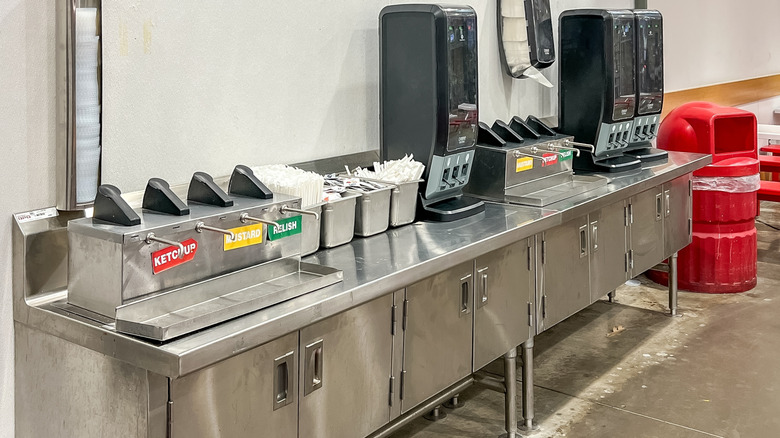
The COVID-19 pandemic also fundamentally altered ancillary elements of the food court experience, most notably the legendary self-serve condiment stations. Prior to 2020, shoppers could customize their hot dogs at communal islands stocked with raw diced onions, sweet pickle relish, sauerkraut, ketchup, and yellow mustard. When food courts reopened following initial pandemic lockdowns, the traditional stations did not return in their original format. While some locations eventually introduced touchless dispensers for basic condiments, the beloved chopped onions and pickles were largely phased out nationally. This change generated continuous complaints on community forums, with patrons noting that the missing onions significantly diminished the traditional hot dog experience.
The Original Caesar Salad suffered a parallel fate. Priced at $3.99, the generous portion combined romaine lettuce, chicken strips, cherry tomatoes, croutons, and Caesar dressing in quantities large enough to share. Suspended during pandemic-related operational changes, the salad eventually returned in 2023 with a restructured recipe and an increased price point of $6.99. The updated version featured rotisserie-style chicken instead of strips and omitted the signature cherry tomatoes, drawing mixed reviews from long-time supporters who preferred the original iteration.
Beverage options have also seen significant volatility. The original Berry Smoothie, a refreshing staple for shoppers navigating crowded aisles, was retired around 2017 and replaced by a Fruit Smoothie priced at $2.99—up from the original $1.45. Marketed as containing no added sugars or artificial flavors, the new beverage faced immediate consumer pushback regarding the steep price increase. By 2025, that formulation was replaced by a Strawberry Banana Smoothie, demonstrating the ongoing challenges corporate leadership faces in balancing nutritional trends with consumer cost expectations.
Broader Implications for Retail Dining Strategies
The persistent public nostalgia surrounding discontinued Costco food court items underscores a fundamental dynamic in modern retail management: customer loyalty is deeply tied to emotional associations built around physical spaces and routine experiences. For warehouse club members, the food court acts as an anchor that reinforces the overall value proposition of the membership fee.
While Costco’s corporate decisions are invariably driven by rigorous margin analysis, supply chain efficiencies, and changing demographic demands, the removal of popular items risks alienating core consumer segments. Nevertheless, the enduring popularity of the remaining core items—most notably the steadfast $1.50 hot dog combo—demonstrates that the brand retains immense goodwill. As Costco continues to adapt its food service operations to meet modern economic and nutritional landscapes, the memory of items like the Combo Pizza, the Polish Dog, and the Hand-Dipped Ice Cream Bar serves as a reminder of the evolving nature of retail convenience.