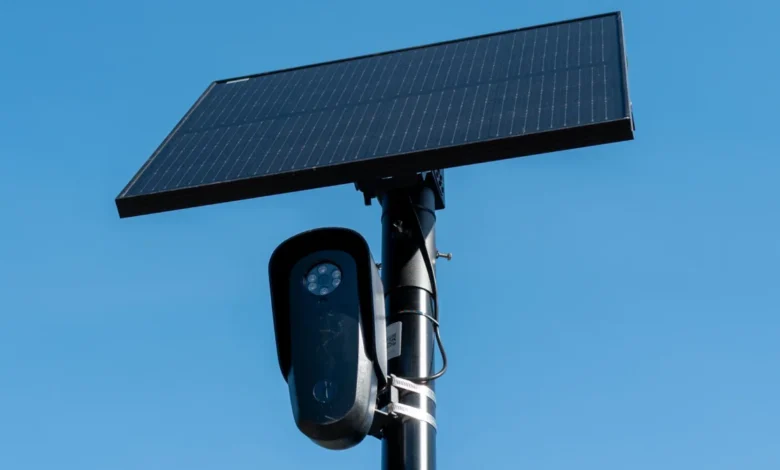
The rapid proliferation of automated license plate reader (ALPR) technology across American municipalities has triggered a legislative firestorm, culminating in the introduction of the Flock-Off Act. Introduced last month by U.S. Representative Thomas Massie, alongside a bipartisan coalition of six co-sponsors, the proposed legislation seeks to curb the unchecked expansion of surveillance networks by targeting the federal funding streams that sustain them. While the bill’s primary objective is to curtail the reach of companies like Flock Safety, its broad drafting has inadvertently cast a wide net, potentially outlawing standard automated traffic enforcement measures, such as red-light and speed cameras, which operate on fundamentally different technical and legal premises.
The Legislative Genesis of the Flock-Off Act
The Flock-Off Act represents a significant escalation in the ongoing national debate regarding digital privacy and the militarization of local law enforcement tools. Representative Thomas Massie, a Kentucky Republican, has framed the bill as a necessary check on government overreach. The core mechanism of the legislation is the withdrawal of federal funding from any municipality that enters into "covered camera system" operator contracts.
The bill defines these systems broadly, capturing not only the ubiquitous ALPR units that track vehicular movement in real-time but also automated traffic enforcement hardware. By threatening the loss of federal transportation and public safety grants, the bill forces local governments to choose between their surveillance contracts and critical infrastructure funding. This move follows a period of intense public scrutiny, as reports of data misuse, lack of oversight, and concerns regarding the retention of location data have permeated local city council meetings across the country.
Distinguishing Surveillance from Safety Enforcement
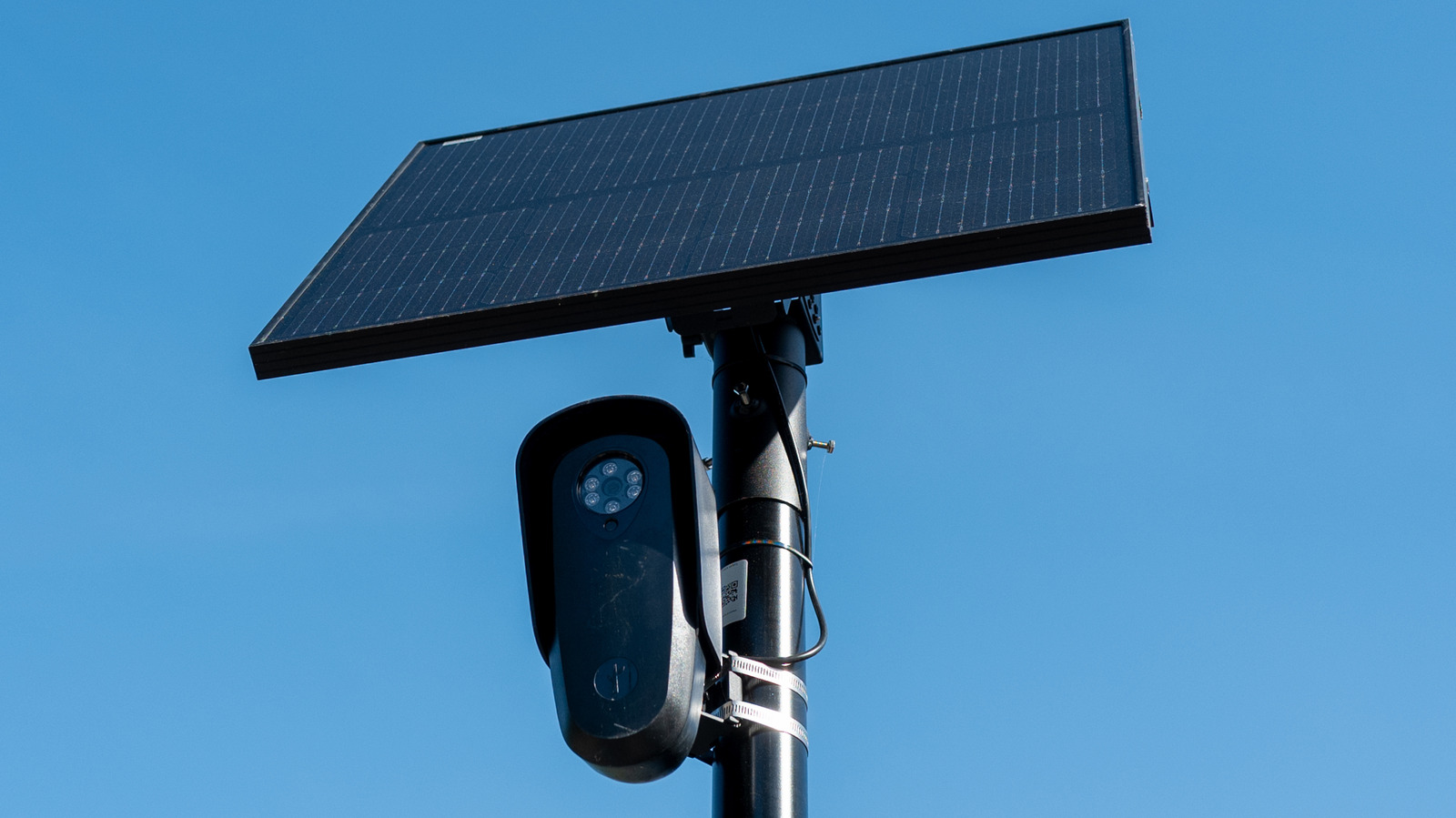
To understand the controversy surrounding the bill, one must distinguish between the two primary categories of automated cameras currently operating on American roads. Flock Safety’s technology is designed for mass surveillance; its cameras capture the license plate and physical characteristics of every vehicle that passes their field of view. This data is then fed into a centralized, searchable database, creating a permanent digital trail of a citizen’s movements. Law enforcement agencies utilize this network for real-time alerts on stolen vehicles or suspects, but the sheer volume of data collected on non-suspects has raised significant Fourth Amendment concerns.
Conversely, traditional automated traffic enforcement systems—such as red-light cameras and speed-detection units—are triggered only by specific traffic violations. These devices do not typically catalog every vehicle for perpetual surveillance. Instead, they operate as a deterrent and a mechanism for enforcing traffic safety laws without requiring direct, high-risk physical intervention by police officers.
The inclusion of these safety-oriented devices in the Flock-Off Act has drawn sharp criticism, even from some of the bill’s own supporters. California Representative Ro Khanna, the lone Democratic co-sponsor, has clarified his position, emphasizing that his support is aimed at curbing mass surveillance, not traffic safety tools. In statements provided to media outlets, Khanna noted that the abuse of power often associated with police-involved traffic stops is exactly what automated enforcement aims to prevent. By removing the need for a physical stop, these cameras mitigate the potential for violent escalations between law enforcement and motorists, a factor that public safety advocates argue is a net positive for community relations.
A Chronology of the Surveillance Expansion
The rise of the current ALPR infrastructure did not occur overnight. It began in the early 2020s, as municipalities sought cost-effective ways to manage crime rates during periods of police staffing shortages.
- 2023-2024: Companies like Flock Safety aggressively marketed their hardware to Homeowners Associations (HOAs) and local police departments, promising a "neighborhood safety" ecosystem. During this time, the number of ALPR installations grew exponentially, moving from limited pilot programs to city-wide surveillance grids.
- Early 2025: Reports emerged of widespread data sharing between agencies, where data collected by a small town’s cameras was being accessed by agencies hundreds of miles away without judicial oversight. This sparked a wave of privacy-focused litigation and municipal audits.
- May 2026: Representative Thomas Massie, facing domestic political headwinds and his eventual loss in the Republican primary, pivoted toward the surveillance issue as a key pillar of his late-term legislative agenda.
- October 2026: The Flock-Off Act was formally introduced, marking the first federal attempt to curtail the industry through the power of the purse.
Data-Driven Perspectives on Traffic Safety
The efficacy of automated traffic enforcement remains a focal point of the debate. According to data from the San Francisco Municipal Transportation Agency (SFMTA), the deployment of speed cameras has demonstrated a quantifiable impact on public safety. Following the implementation of their latest speed-detection initiative in 2025, the city reported an 84% reduction in speeding incidents within the monitored corridors.
The logic behind these statistics is straightforward: automated enforcement provides a 24/7 deterrent effect that is impossible to replicate with human patrol officers. Furthermore, the reliance on automated systems minimizes the "pretextual stop"—a common police practice where an officer pulls over a driver for a minor traffic violation to search for evidence of other crimes. Research suggests that these stops are statistically more likely to result in negative outcomes for minority drivers and, in extreme cases, lead to fatal confrontations. By codifying a ban on all "covered camera systems," the Flock-Off Act risks dismantling a tool that many urban planners consider essential for Vision Zero initiatives, which aim to eliminate all traffic fatalities.
The Industry Response and Political Implications
The surveillance industry has not remained idle while the legislation moves through committee. Faced with potential federal bans, companies like Flock Safety have adopted a defensive posture. Internal documents and public-facing handbooks distributed to law enforcement partners have focused on "owning the narrative." These resources guide agencies on how to present the technology as a benign public safety tool rather than a mass-surveillance apparatus.
Furthermore, the industry is lobbying for exemptions. Currently, the Flock-Off Act provides narrow exceptions for cameras used in tolling systems and those positioned within a one-mile radius of the U.S. northern and southern borders. Lawmakers are now facing pressure from police unions and local government associations to broaden these exemptions to include all public safety infrastructure, which could effectively gut the bill’s intent.
Broader Implications for Privacy and Governance
The legislative battle over the Flock-Off Act serves as a microcosm of a larger societal tension: the trade-off between convenience/security and the right to privacy. If the bill passes in its current form, it would represent one of the most significant federal interventions into local police operations in modern history. However, the lack of distinction between different types of camera technology suggests a potential for unintended consequences.
Legal scholars argue that if the federal government restricts automated enforcement, it may push municipalities toward even more invasive monitoring technologies, such as facial recognition or AI-driven behavioral analysis, which are currently less regulated than license plate readers. The challenge for legislators is to draft a bill that addresses the legitimate concerns regarding mass surveillance without simultaneously handicapping proven traffic safety interventions that reduce injuries and fatalities on public roadways.
As the midterm elections approach and the political landscape shifts, the future of the Flock-Off Act remains uncertain. Whether the bill survives in its current, catch-all form or is amended to carve out protections for traffic safety enforcement, the debate has already fundamentally changed the way municipalities view their contracts with private surveillance firms. Regardless of the legislative outcome, the era of unbridled, unquestioned surveillance installation appears to be coming to an end, with the public and their representatives demanding greater transparency and accountability for the data collected on the open road.
Related posts: