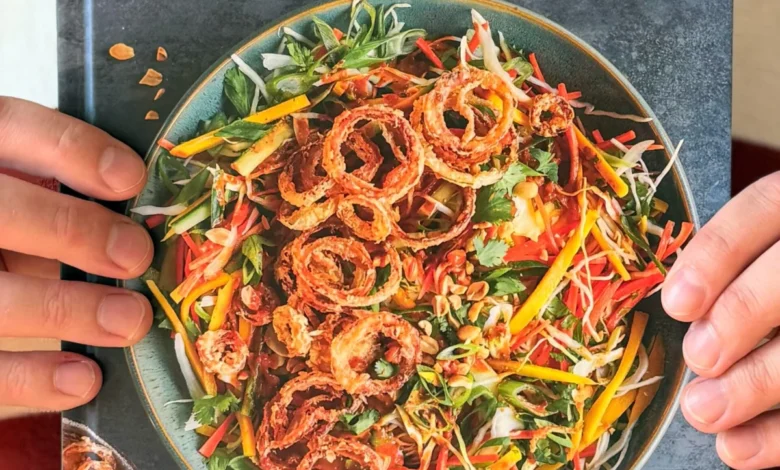
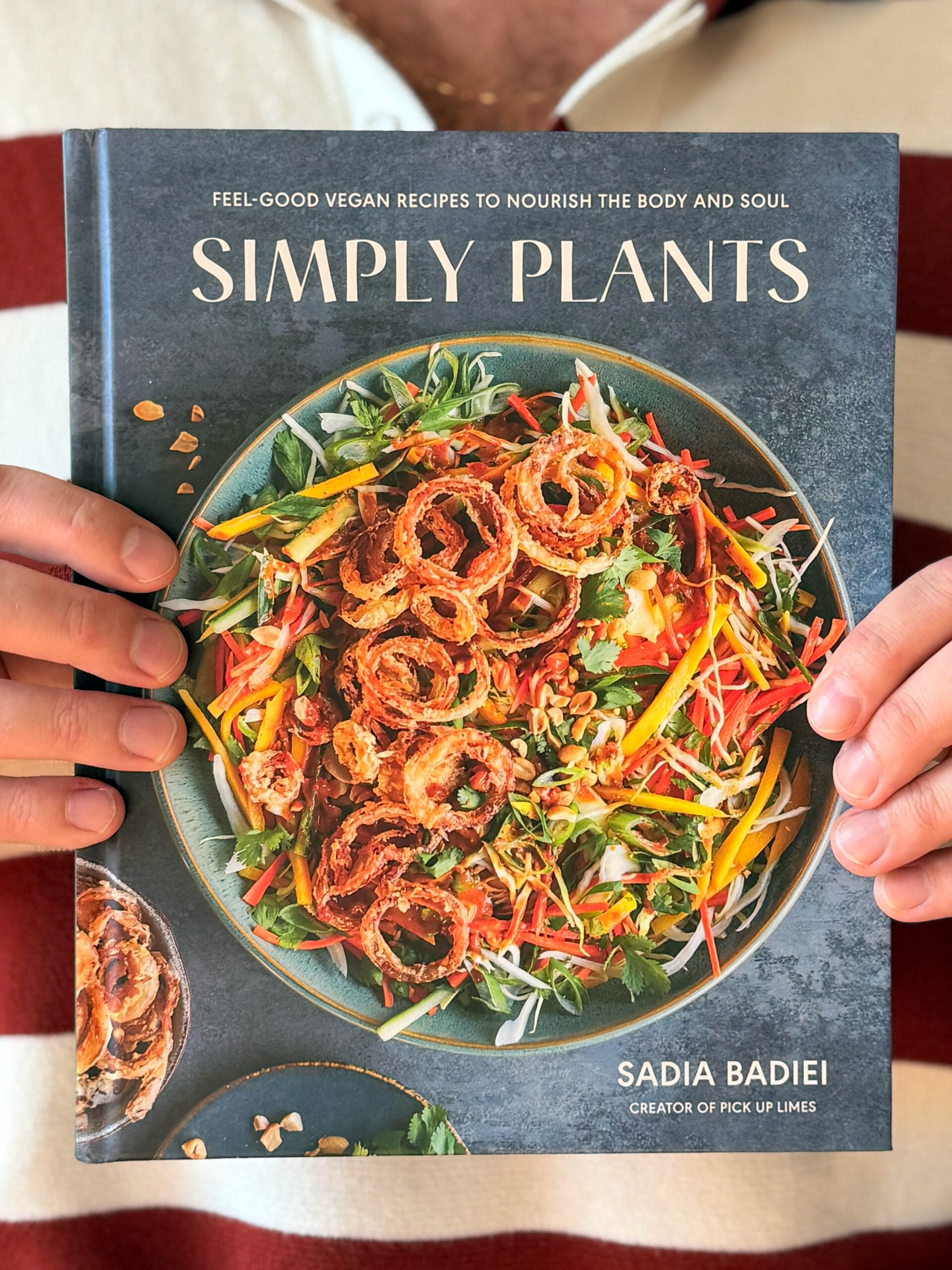
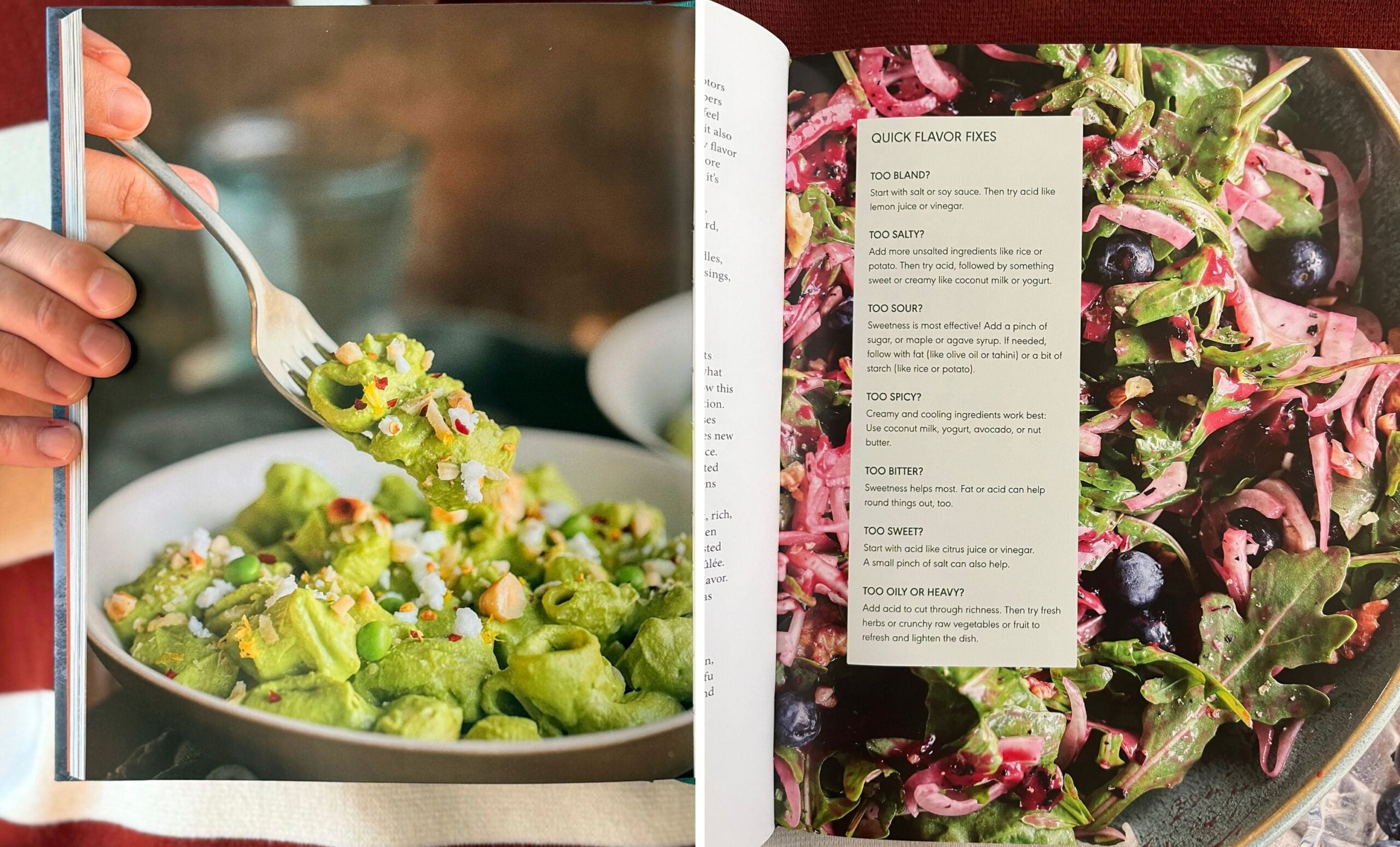
The landscape of plant-based culinary arts has undergone a significant transformation over the last decade, evolving from niche dietary restrictions to a mainstream movement characterized by both nutritional rigor and sensory appeal. At the forefront of this shift is Sadia Badiei, a registered dietitian and the founder of the digital platform Pick Up Limes. Her debut cookbook, Simply Plants: Feel-Good Vegan Recipes to Nourish the Body and Soul, serves as a synthesis of her professional clinical training and her digital storytelling expertise, offering a structured approach to plant-forward living.

The Evolution of the Pick Up Limes Brand
The trajectory of Badiei’s career began in 2017 with the launch of Pick Up Limes, a YouTube-centric brand that prioritized accessible, aesthetically refined vegan cooking. Over the past nine years, the platform has cultivated a global community, leveraging high-production-value video content to demystify complex nutrition concepts.
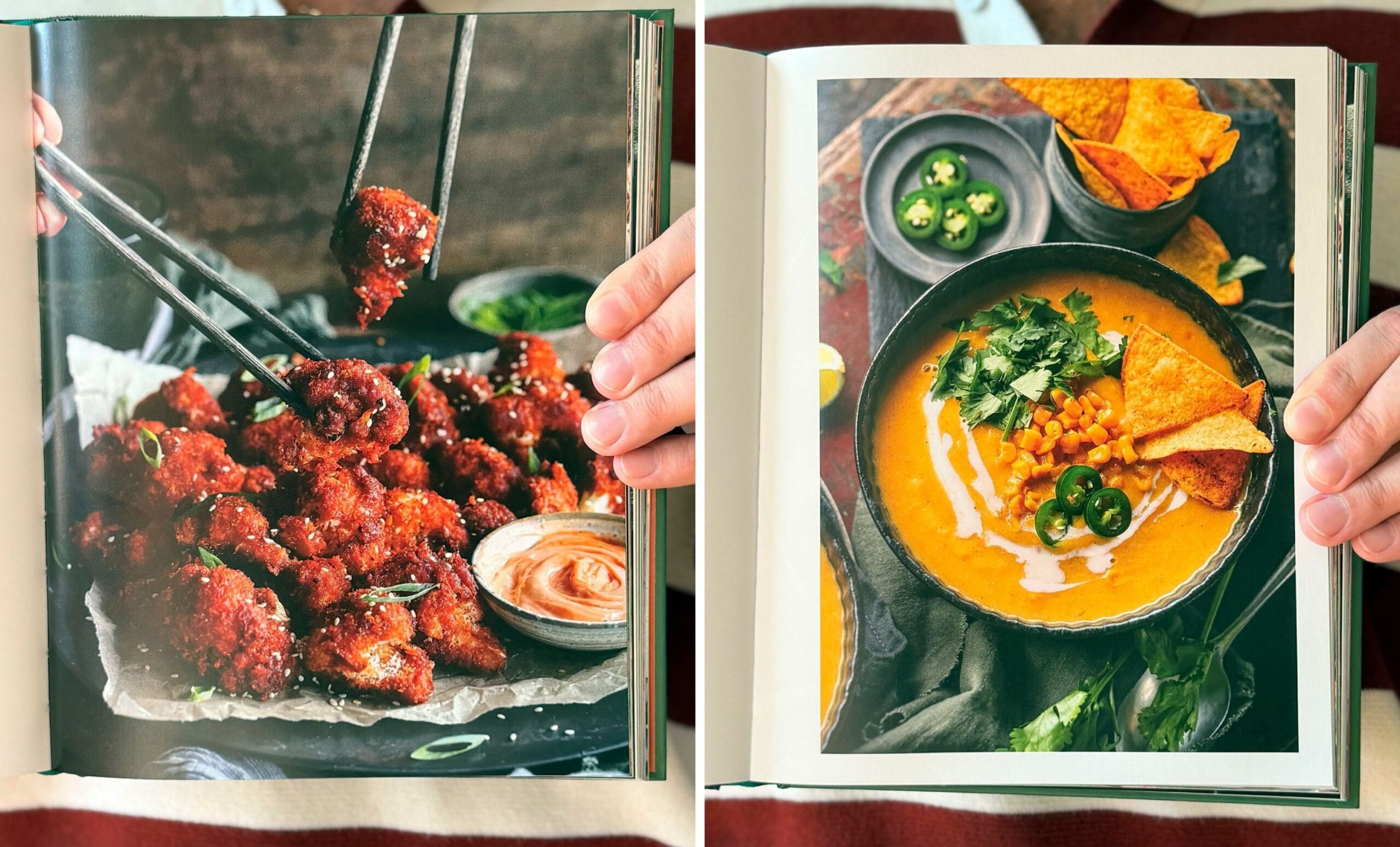
The development of the cookbook was a multi-year project marked by careful deliberation. Badiei was approached by publishers as early as 2019, but she initially declined, citing a desire to mature her recipe development process. This period of professional restraint allowed her to build a dedicated team and a substantial library of tested recipes. The eventual decision to publish reflects a strategic pivot from ephemeral digital content to a curated, permanent reference work. The book features over 100 recipes, categorized to facilitate daily use, ranging from breakfast staples like Banana Chocolate Chunk Pancakes to more complex fusion dishes such as the Simple Vegan Butter Chicken.
Nutritional Philosophy and Culinary Theory
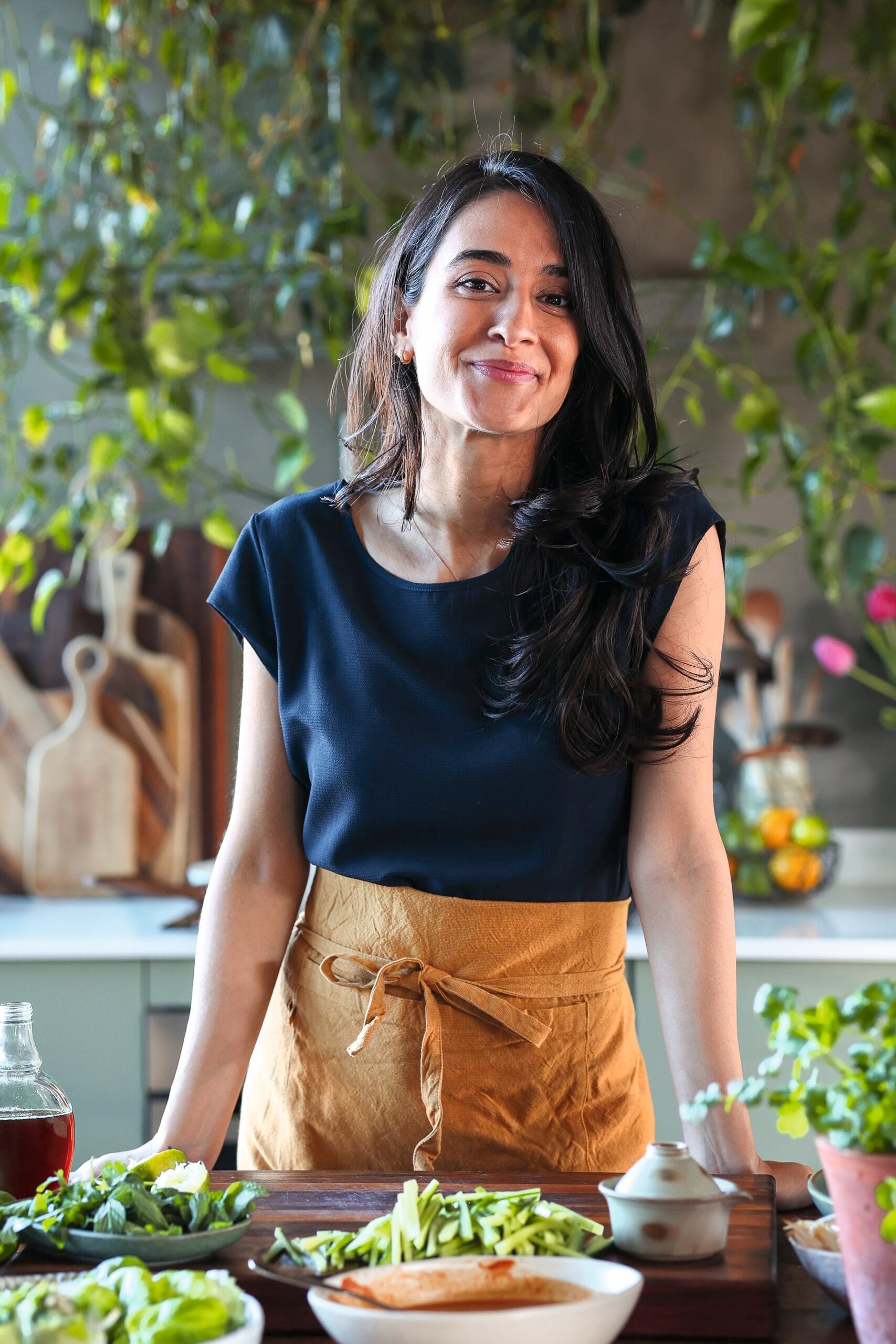
Badiei’s approach to plant-based cooking is grounded in the intersection of clinical dietetics and sensory satisfaction. Her mantra, "Nourish the cells and the soul," addresses a common critique of restrictive diets: the tendency for individuals to focus exclusively on macronutrient and micronutrient profiles while neglecting the psychological enjoyment of food.
In academic and professional settings, dietitians often emphasize the importance of dietary patterns over individual ingredients. Badiei’s curriculum in dietetics provided the framework for her culinary development. During her formal training, she engaged with the scientific principles of cooking—such as the Maillard reaction (the chemical reaction between amino acids and reducing sugars that gives browned food its distinctive flavor) and the science of caramelization. By integrating these technical concepts into her recipes, she empowers home cooks to understand not just how to follow instructions, but why certain methods yield specific flavor profiles.
Strategic Impact on the Plant-Based Market
The publication of Simply Plants arrives at a time when the global plant-based food market is experiencing sustained growth. According to recent industry reports, the market valuation for plant-based alternatives is projected to continue its upward trajectory through 2030, driven by consumer concerns regarding sustainability and personal health.
Badiei’s work contributes to this market by lowering the barrier to entry for novice cooks. By focusing on "high-success" recipes—dishes that provide immediate sensory rewards—she utilizes behavioral psychology to foster long-term habits. The inclusion of recipes like the Simple Vegan Butter Chicken, which utilizes tofu as a protein base and coconut milk for a rich mouthfeel, demonstrates an attempt to replicate familiar culinary experiences without animal products. This technique is often cited by culinary researchers as a primary driver of adoption for flexitarian and omnivorous demographics looking to reduce their meat intake.
Chronology of Publication and Community Growth
- 2017: Official launch of the Pick Up Limes platform, focusing on educational YouTube content regarding plant-based nutrition.
- 2019: Initial contact from publishers regarding a potential cookbook; Badiei declines, citing a need for further development of her creative process and team structure.
- 2023: Badiei confirms the commencement of the Simply Plants manuscript project after establishing a robust editorial and testing team.
- 2026: Official release of Simply Plants: Feel-Good Vegan Recipes to Nourish the Body and Soul, marking a transition from digital-only content to traditional publishing.
Broader Implications for Home Cooking
The success of modern cookbooks is increasingly measured by their ability to integrate into the fast-paced lifestyle of the contemporary household. Simply Plants aligns with the trend of "functional cooking," where the primary objective is to streamline the preparation of nutritious meals. This shift is notable in the context of the broader cookbook industry, which has seen a resurgence of specialized titles catering to specific dietary or cultural needs.
In addition to Badiei’s work, the current literary market for culinary arts reflects a broader interest in diverse global flavors and specialized techniques. Notable concurrent releases include:

- Daily Dessert: Treats on Repeat by Caroline Schiff: Focuses on the integration of baking into everyday routines, challenging the notion of dessert as a solely celebratory event.
- Ukraïne: Recipes and Stories from Kyiv to the Black Sea by Anna Voloshyna: Provides a critical look at the cultural history of Ukrainian cuisine, framing food as a medium for geopolitical and historical storytelling.
- Cha Chaan Teng: Comfort Food from Hong Kong’s Iconic Diners by Lucas Sin: Documents the evolution of Hong Kong diner culture, emphasizing the fusion of Chinese and Western culinary influences.
- Square Pie Guy: Detroit-Style Pizza at Home by Marc Schechter and Gabi Moskowitz: Highlights the democratization of professional-grade pizza making, emphasizing home-accessible techniques for specialized regional styles.
The Role of the Professional Recipe Developer
The transition from a digital content creator to a cookbook author requires a distinct set of skills, including rigorous testing, editorial management, and long-form narrative construction. Badiei’s journey illustrates the professionalization of the "influencer-author" pipeline. Her ability to synthesize the feedback of a massive online audience into a cohesive print volume suggests a shift in how cookbooks are developed: rather than being top-down academic projects, they are increasingly bottom-up, community-validated products.
Furthermore, the inclusion of personal anecdotes—such as her early struggles with math and her eventual realization that her difficulty was a result of a lack of experience rather than a lack of ability—serves to humanize the author. This pedagogical approach, which emphasizes patience and iterative learning, is essential for the modern home cook who may feel intimidated by complex kitchen techniques.
Conclusion: A New Standard for Accessible Nutrition
Simply Plants represents more than just a collection of vegan recipes; it is a case study in how digital platforms can successfully transition to authoritative print media. By grounding her recipes in the dual pillars of nutritional science and psychological fulfillment, Badiei addresses a gap in the market for resources that are simultaneously rigorous and approachable.
As the culinary world continues to move toward more sustainable consumption patterns, the role of educators like Badiei will likely expand. By providing the tools for successful, enjoyable, and nutritious cooking, such works encourage a more inclusive view of plant-based eating. Whether for the dedicated vegan or the curious omnivore, the focus remains on the joy of the process—an outcome that, according to Badiei, is the true indicator of a successful meal. The enduring success of Simply Plants will likely be determined by its utility in the home kitchen, but its initial reception confirms that there is a significant appetite for culinary content that respects both the intelligence and the time of the reader.