The Unspoken Network: How Maternal Solidarity Shapes Modern Urban Travel for Working Parents

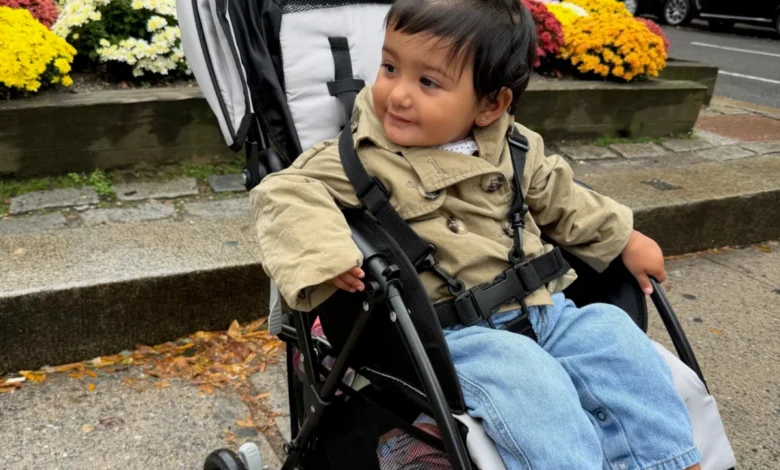
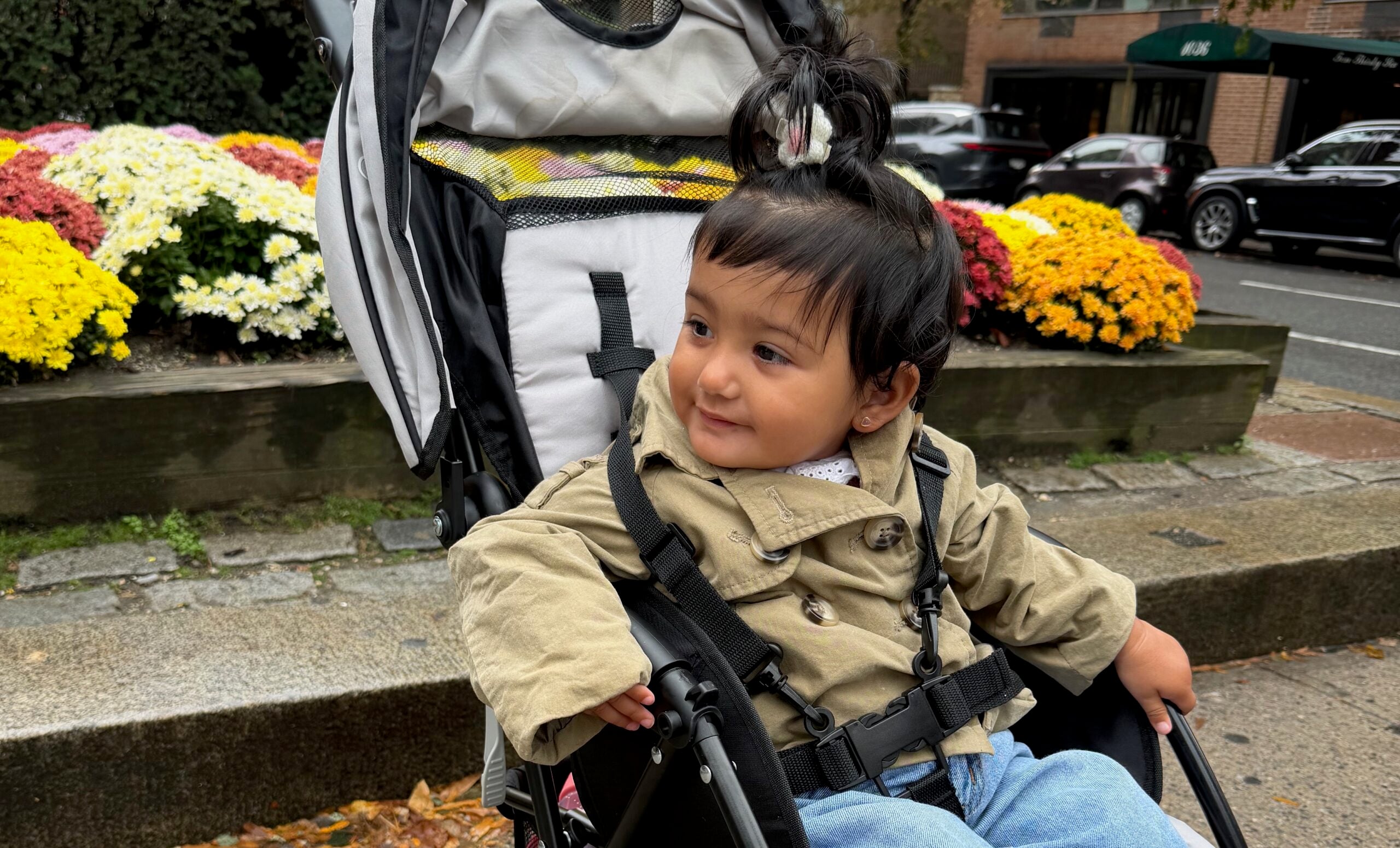
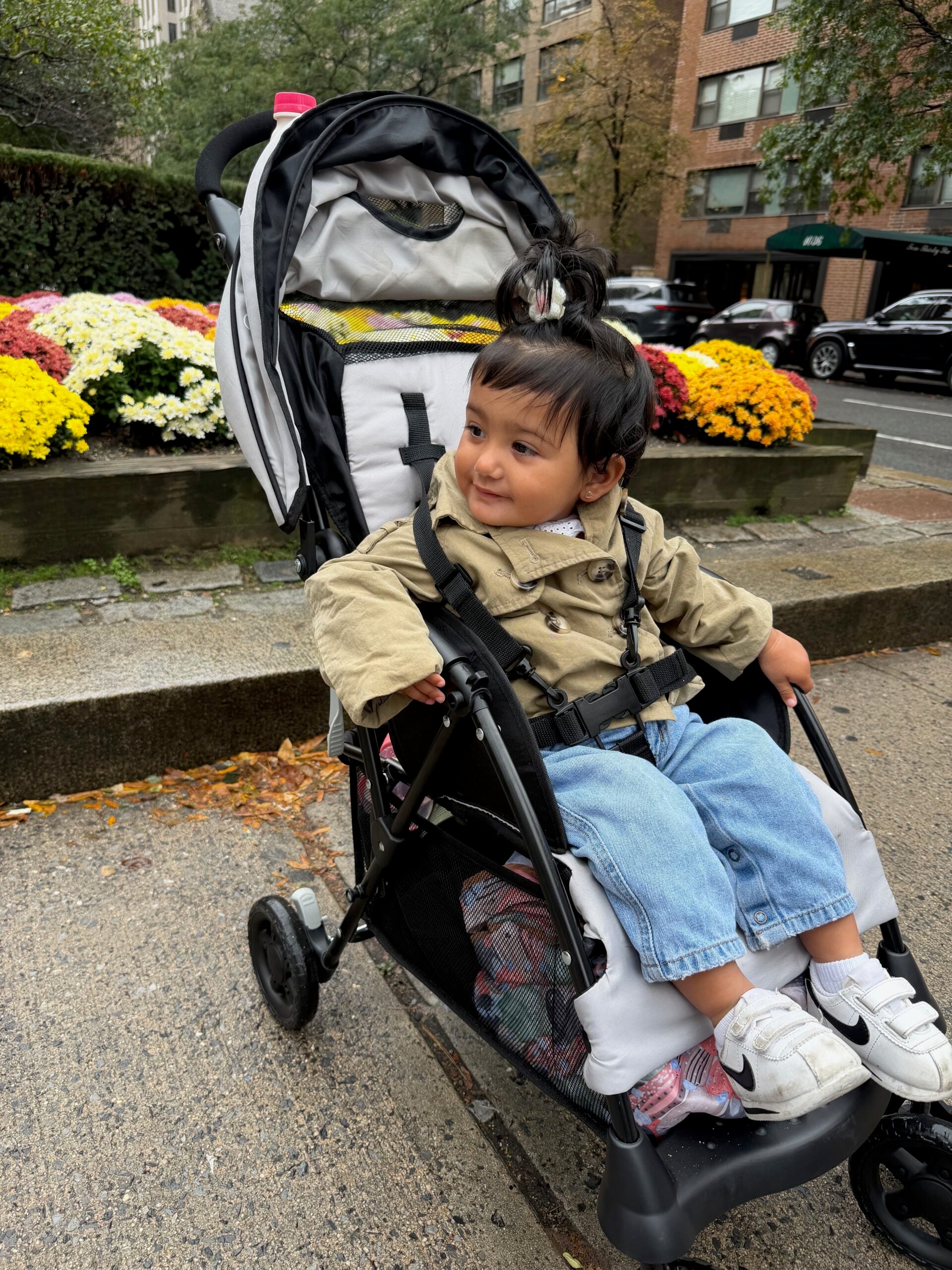
Earlier this month, a business trip to New York City highlighted the unique logistical challenges faced by working parents navigating the urban landscape with an infant in tow. The excursion, which involved a one-year-old child named Evelynn, served as a case study for the reliance on ad-hoc support networks and the growing importance of "maternal solidarity" in high-stress travel environments. The experience, punctuated by a minor but critical lapse in preparation, underscored a broader sociological trend regarding the informal safety nets that allow working mothers to maintain professional commitments while fulfilling primary caregiving roles.
A Chronology of Urban Travel Challenges
The trip was scheduled as a high-intensity professional endeavor, involving a series of meetings, professional engagements at New York City’s landmark locations, and collaborative team sessions. On the second day of the trip, the logistical framework for childcare—entrusted to a pair of associates—was tested during a morning transit through the Upper East Side.
The catalyst for the incident was the omission of a pacifier, an essential item for the regulation of infant behavior in public settings. At approximately 9:00 a.m., the realization that the item had been left at the hotel triggered a period of heightened anxiety. In a densely populated environment like Manhattan, the inability to manage a child’s immediate distress can transform a routine commute into a significant disruption for both the caregiver and the public.
The subsequent intervention occurred at a local pharmacy. When the inventory of the store proved insufficient, an unplanned interaction took place between the traveling mother and an unidentified local woman, who was also accompanied by an infant. The stranger, recognizing the signs of parental distress, offered a clean, spare pacifier from her own personal supply. This brief exchange prevented a potential escalation of the infant’s distress and allowed the traveling party to proceed with their scheduled itinerary, which included professional appointments at the restaurant Sailor and City Hall.
The Sociology of Maternal Support Networks
Sociologists and child development experts have long noted that "maternal solidarity" acts as a form of social capital. In urban centers, where the lack of traditional extended family support is common, mothers often form temporary, ephemeral alliances to mitigate the risks of solo parenting.
Data from the Bureau of Labor Statistics indicates that a significant percentage of working mothers balance full-time careers with child-rearing duties, often requiring them to bring children along on business trips. This demographic shift has created a silent, peer-to-peer support system. According to a 2022 survey by the Parenting Research Institute, over 70% of mothers traveling for business reported receiving at least one form of spontaneous assistance from a stranger, ranging from help with luggage to the sharing of essential supplies like diapers or snacks.
The phenomenon is not merely anecdotal; it is a functional adaptation to the pressures of modern professional life. When mothers encounter systemic gaps—such as the absence of a required item or the need for an extra set of hands during transit—the "stranger-as-caregiver" model provides a vital, albeit temporary, buffer.
Expert Perspectives on Shared Parenting Experiences
The incident has sparked a renewed dialogue regarding the expectations placed on working parents. Abbey Nova, a noted commentator on parenting dynamics, has previously articulated that the "shared experience" of motherhood functions as a universal language. The core of this philosophy is the recognition that the unpredictability of child-rearing—ranging from diaper failures to the absence of protective sunblock—requires a collective approach.
"Motherhood is a powerful shared experience," notes the broader consensus among family advocacy groups. When a parent reaches the limit of their endurance, the intervention of another parent is often the difference between a successful business engagement and a forced cancellation. This mutual reliance is grounded in empathy; because the majority of mothers have experienced the same vulnerabilities, they are more likely to offer support without the expectation of reciprocity.
Broader Implications for Urban Infrastructure and Professional Travel
The incident raises valid questions about how modern cities are equipped to handle the needs of traveling families. While corporate travel policies are increasingly accommodating of remote work, they rarely account for the "micro-logistics" of infant care.
- Supply Accessibility: While urban centers have high concentrations of retail, the lack of standardized baby-care supplies in common transit hubs remains a point of friction.
- Professional Flexibility: The necessity for a "babysitting team" highlights that for high-stakes business, parental support is not an individual task but a team effort.
- Public Perception: The willingness of strangers to intervene suggests a cultural shift toward viewing parenting as a community-managed responsibility rather than a private, isolated burden.
From a corporate standpoint, companies are increasingly recognizing that the "whole-person" approach to employment—which includes acknowledging the parenting responsibilities of their staff—leads to higher retention rates and employee satisfaction. When an employee can successfully navigate a business trip with a child, it is often due to the support of the community, rather than the efficiency of the corporate itinerary alone.
The Role of Resilience in Parenting
The interaction at the pharmacy was more than a transactional exchange of goods; it was a verification of the unspoken social contract that exists among caregivers. In high-pressure environments like New York City, the ability to rely on the kindness of strangers serves as a stabilizer.
For the professional traveler, the primary lesson is one of preparation tempered by the realization that vulnerability is not a professional failure. The ability to pivot when plans go awry, and the humility to accept help when it is offered, are essential competencies for the modern working parent.
Conclusion: Moving Forward
As business travel continues to evolve in the post-pandemic era, the intersection of professional development and domestic responsibility will remain a central theme. The events of this month serve as a reminder that while the infrastructure of travel is often rigid, the social infrastructure provided by fellow mothers is fluid and remarkably resilient.

The act of providing a simple, necessary item like a pacifier may seem trivial in a global context, but in the micro-context of a busy professional schedule, it represents a significant contribution to the stability of the working family. By fostering environments—both professional and public—that encourage this type of mutual assistance, society can better support the dual-career household, ensuring that parenting and professional growth do not have to be mutually exclusive objectives.
As the industry moves toward more inclusive work-travel policies, the "kindness of strangers" should perhaps be recognized not as a lucky occurrence, but as a critical component of the logistics of modern parenting. The challenge remains to institutionalize these supports, ensuring that the burden of care does not fall solely on the informal networks of parents themselves, but is integrated into the fabric of urban and professional life.