Scientists have identified a ‘protein signature’ in blood that could predict healthy aging

The Cellular Foundation of Immunity
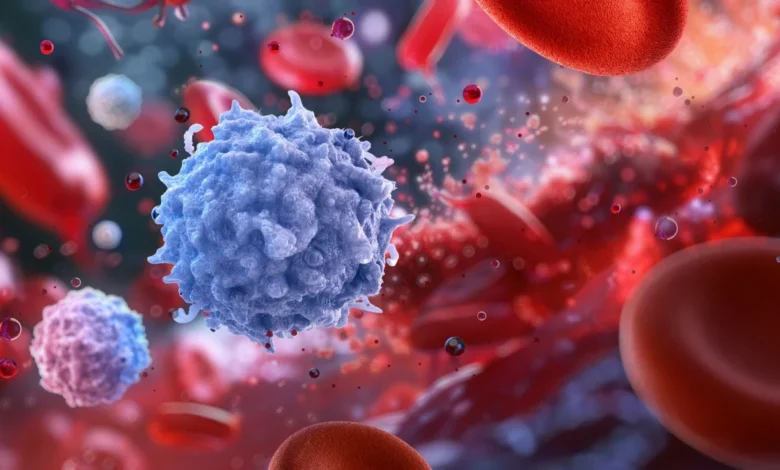
At the core of this discovery is the dynamic transformation of T cells, a subset of white blood cells essential for adaptive immunity. In early life, the immune system is populated by a high concentration of "naive" T cells. These cells have not yet encountered a specific pathogen, essentially acting as a blank slate with the potential to recognize and respond to a vast array of new threats.
As an individual moves through life, exposure to pathogens—whether through natural infection or vaccination—triggers a fundamental shift. A portion of these naive T cells is converted into memory T cells. These cells "remember" previous invaders, allowing the body to mount a rapid and targeted response upon re-exposure. While this process is vital for survival, researchers are now examining the tipping point at which the accumulation of memory cells, and the simultaneous depletion of naive cells, begins to accelerate biological aging.
Chronology of T Cell Research and Immunosenescence
The study of immunosenescence—the gradual deterioration of the immune system brought on by natural age advancement—has evolved significantly over the past three decades.
- 1990s: Scientists first established that the thymus, the organ responsible for the maturation of T cells, begins to shrink after puberty, leading to a diminished output of new naive T cells.
- 2010s: Advanced genomic sequencing allowed researchers to track the clonal expansion of memory T cells, revealing that the immune system eventually becomes "cluttered" with cells dedicated to past infections, leaving less room for the naive cells needed to fight novel threats.
- 2023–2024: Recent longitudinal studies have identified specific markers in T cell subsets that correlate with "biological age" rather than chronological age, providing a predictive tool for assessing an individual’s risk of developing conditions such as cardiovascular disease, type 2 diabetes, and neurodegenerative disorders.
The Imbalance of Memory and Naive Cells
The crux of the recent scientific findings lies in the homeostasis between naive and memory T cell populations. As the body ages, the immune system undergoes a structural reorganization. In healthy aging, this transition is managed efficiently. However, in individuals prone to chronic disease, the transition often becomes skewed.
Data from recent clinical observations indicate that individuals with a higher ratio of naive T cells in their mid-to-late life demonstrate significantly lower levels of systemic inflammation—a condition often referred to as "inflammaging." Conversely, those with a premature decline in naive T cell diversity are more likely to suffer from persistent, low-grade inflammation that damages tissues and organs over time.
The depletion of the naive T cell pool is not merely a sign of aging; it is a catalyst for it. Without a sufficient reserve of naive cells, the immune system struggles to respond to new antigens, such as emerging viral strains or mutated cells that could lead to malignancy. This leads to a compensatory state where the body remains in a heightened, but ineffective, state of alert, further contributing to the wear and tear of organ systems.
Supporting Data and Statistical Trends
Epidemiological data supports the hypothesis that immune composition is a major determinant of health span. According to reports from the National Institute on Aging, individuals who maintain a diverse repertoire of naive T cells into their seventh decade show a 30% reduction in mortality risk related to infectious diseases compared to their peers.
Furthermore, researchers at several leading immunological institutes have found that the rate of "naive cell attrition" varies significantly based on genetic predispositions and early-life environmental stressors. In a cohort study tracking 5,000 adults over ten years, researchers noted that those who experienced chronic psychological stress or poor nutritional intake exhibited an immune profile five to eight years older than their chronological age. This disparity in the "immunological clock" offers a potential explanation for why two individuals with identical birth dates can occupy vastly different points on the health spectrum.
Expert Perspectives on Immunological Intervention
The implications of these findings have prompted a shift in how medical professionals view preventive medicine. Dr. Elena Vance, a lead immunologist involved in recent T cell studies, notes that the goal is not to stop the immune system from aging, but to slow the rate of naive cell loss.
"We are moving toward a paradigm where we treat the immune system as a renewable resource," says Dr. Vance. "While we cannot reverse the atrophy of the thymus, we are exploring therapeutic interventions that could help sustain the naive T cell pool or encourage the body to maintain a more balanced ratio of memory cells. This could eventually allow us to ‘recalibrate’ the immune system of high-risk patients."
Other experts urge caution, noting that the immune system is a complex network of interactions. Simply increasing the count of naive cells without addressing the underlying causes of their depletion—such as chronic inflammation or metabolic dysregulation—may not yield the desired health outcomes. The consensus among the medical community is that while T cell composition is a powerful biomarker, it must be viewed as one component of a holistic approach to longevity.
Broader Impact and Future Implications
The ability to measure a person’s "immunological age" via blood tests could revolutionize public health. If clinicians can identify patients whose T cell profiles indicate a high risk for future chronic disease before symptoms manifest, they could implement targeted interventions. These might include personalized vaccination schedules, anti-inflammatory dietary protocols, or even future immunotherapies designed to stimulate the production of naive T cells.
Furthermore, this research has significant implications for how we define "healthy aging." If the immune system is the primary driver of the physical decline associated with age, then future clinical trials should focus on immune-modulating drugs.
The socioeconomic impact of such a breakthrough would be profound. As global populations age, the burden of chronic, age-related diseases is expected to overwhelm healthcare systems. By extending the period of time individuals spend in "relative health," researchers hope to reduce the years spent in disability, ultimately decreasing the economic strain on healthcare infrastructure.
Conclusion
The research into T cell dynamics offers a compelling explanation for the variability in human aging. By shifting the focus from chronological milestones to the internal metrics of the immune system, scientists are gaining unprecedented clarity on the mechanisms that govern our longevity. While there is still much to learn regarding the exact triggers for naive T cell depletion and the potential for restorative therapies, the identification of this key immunological difference marks a major step forward in geriatric medicine.
Moving forward, the integration of these findings into clinical practice will require rigorous validation. However, the prospect of managing one’s "immunological health" provides a new, tangible target for medical intervention. As the field of immunology continues to intersect with aging research, the hope is that we can transition from a model of treating disease to a model of maintaining the immune resilience that keeps the body functioning optimally, regardless of the year on the calendar. The path to a healthier later life may well be found within the very cells that have protected us since birth.