In the modern culinary landscape, the intersection of convenience and quality remains a constant battleground for home cooks. As fast-paced lifestyles increasingly limit the hours available for scratch-cooking and elaborate meal preparation, consumers continually search for efficient kitchen hacks that do not compromise on flavor. Recently, culinary experts and food enthusiasts have turned their attention toward an unexpected pantry staple to solve a common weeknight dilemma: transforming basic pasta sauce using canned condensed soup. Specifically, Campbell’s Garlic Parmesan with Herbs soup has emerged as an innovative vehicle for elevating quick weeknight dinners, capturing the complex, savory flavor profiles of Italian cuisine without the multi-hour reduction processes traditionally required in gourmet cooking.
The Historical Evolution of Convenience Cooking and Pantry Hacks
The reliance on canned goods and pre-made ingredients as culinary shortcuts is not a novel phenomenon; rather, it represents the continuation of a century-long evolution in household food preparation. Following the industrialization of food processing in the late 19th and early 20th centuries, canned soups revolutionized domestic routines by offering reliable, shelf-stable nutrition. Brands like Campbell Soup Company popularized condensed soups in the 1930s, marketing them not only as standalone meals but also as versatile cooking bases—a concept famously memorialized by the mid-century creation of green bean casserole, which utilized cream of mushroom soup.
Over the decades, home cooks adapted these products, blending convenience foods with traditional recipes. However, the application of specific, flavor-forward condensed soups—such as garlic-parmesan and herb varieties—directly into pasta sauces marks a modern refinement of this practice. Rather than serving merely as a generic thickener, these specialized broths bring targeted regional profiles, such as Italian-inspired herbs and aged cheeses, straight to the frying pan. This trend aligns with broader consumer shifts toward "semi-homemade" cooking, a philosophy championed by various culinary personalities that bridges the gap between raw ingredients and ready-made meals.
The Mechanics of Using Condensed Soup in Pasta Preparations
To understand why a condensed soup functions effectively as a pasta sauce base, one must examine its chemical and physical properties. Standard broths and thin soups lack the structural viscosity required to cling to noodles, often resulting in a watery pool at the bottom of a serving bowl. Condensed soups, conversely, are formulated with significantly less water, relying on starches, flour, dairy, and emulsifiers to maintain a thick, cohesive texture.
When introduced to pasta dishes, these concentrated matrices integrate smoothly with residual cooking water (which contains valuable starches) and fats from meats or butter. Culinary experts recommend a gradual incorporation method: starting with approximately half a can of Campbell’s Garlic Parmesan with Herbs soup and slowly increasing the volume until the desired sauce consistency is achieved.
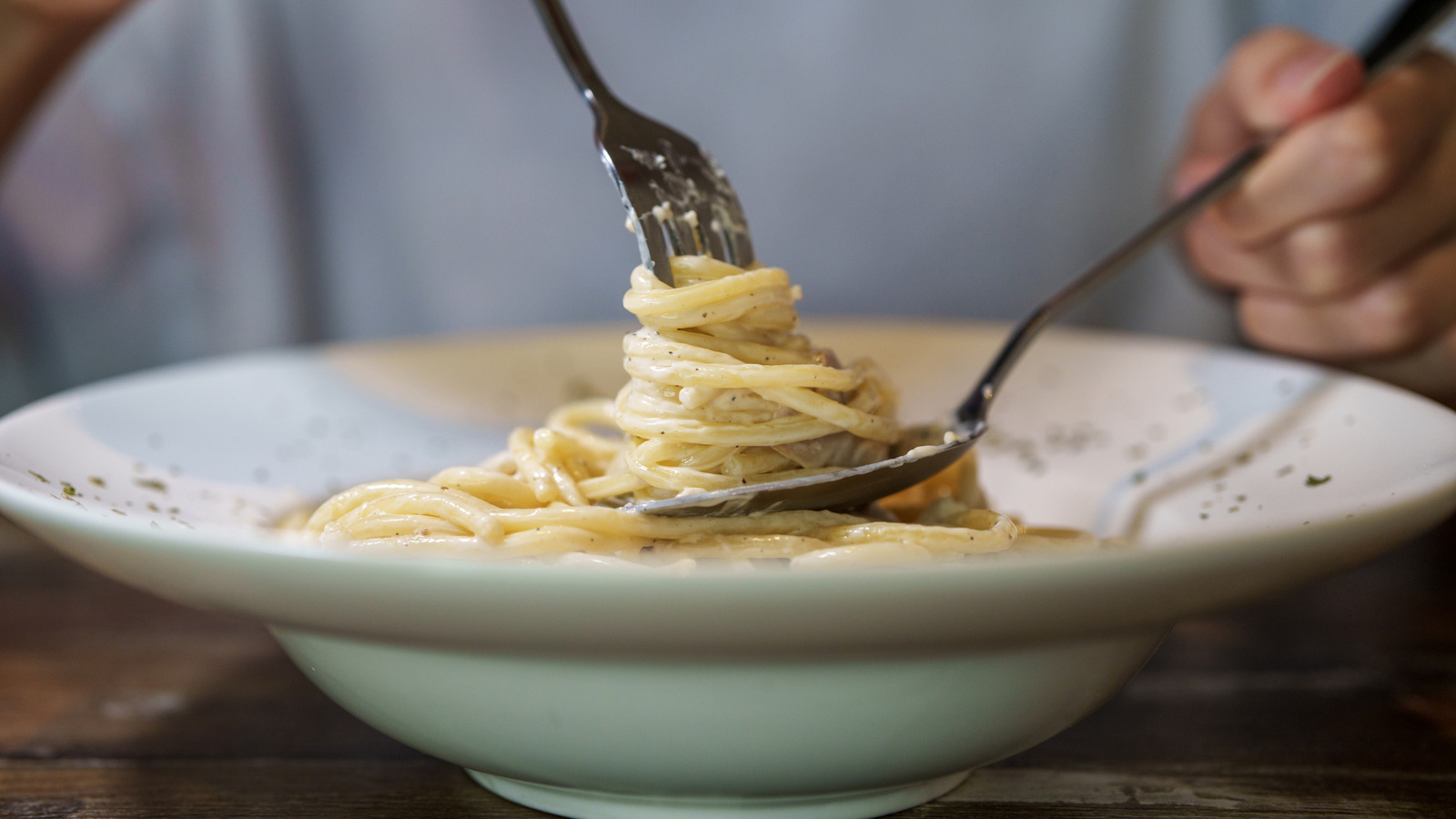
Furthermore, utilizing a pre-seasoned, dairy-based soup alters the standard recipe math for home cooks. Because the product already contains salt, fat, dairy solids, and aromatic herbs like garlic and basil, cooks can significantly reduce or eliminate the need for secondary dairy additions such as heavy cream, whole milk, or extra butter. Similarly, the built-in presence of garlic streamlines prep work, allowing individuals to bypass the steps of peeling, mincing, and sautéing fresh cloves, thereby reducing both active cooking time and kitchen cleanup.
Application Across Classic Italian-Inspired Dishes
The versatility of the garlic-parmesan and herb flavor profile extends far beyond a basic marinara enhancement. One of the most prominent applications highlighted by culinary test kitchens is its integration into chicken fettuccine Alfredo. Traditional Alfredo sauces demand precise temperature control to emulsify butter, heavy cream, and freshly grated Parmigiano-Reggiano without breaking or becoming greasy. By incorporating a condensed garlic-parmesan soup into the pan alongside cooked chicken, home cooks can achieve a reliably creamy, stable emulsion with minimal risk of culinary failure.
Beyond poultry and long-cut noodles, the soup serves as a potent flavor enhancer for baked pasta dishes, most notably macaroni and cheese. While standard casserole recipes traditionally call for cheddar cheese soup or a laborious homemade roux, substituting or blending in a garlic-parmesan-herb variant introduces a profile reminiscent of Italian pesto or white cheddar blends. This bridges the gap between classic American comfort food and Mediterranean flavor aesthetics, reflecting a broader trend of culinary fusion within household cooking.
Beyond Pasta: Broader Culinary Implications and Kitchen Versatility
The utility of flavor-focused condensed soups is not strictly limited to pasta bowls and casserole dishes. Food scientists and recipe developers note that these products function effectively in any recipe requiring a quick, reliable cream or cheese base. For instance, home cooks have begun utilizing similar condensed varieties to enhance scalloped or au gratin potatoes, drastically cutting down the time required to infuse dairy and aromatics into starchy root vegetables.
This multi-use capability addresses a fundamental economic and logistical challenge for modern households: reducing food waste and pantry clutter. By relying on versatile ingredients that can transition from a standalone soup to a sauce base, a casserole binder, or a potato glaze, consumers maximize the utility of their grocery purchases. In an era marked by rising grocery costs and heightened consumer awareness regarding household food waste, multi-functional pantry items offer tangible economic benefits.
Consumer Response and Market Trends
The growing popularity of using canned soup as a gourmet shortcut mirrors larger shifts in consumer behavior observed across the retail food sector. Social media platforms and digital food publications have increasingly prioritized "low-effort, high-reward" recipes, driving engagement among demographics that balance demanding work schedules with a desire for home-cooked meals.
Food industry analysts point out that manufacturers have responded to this demand by expanding their portfolios beyond traditional commodity flavors (like tomato and chicken noodle) into more sophisticated, globally inspired profiles. The introduction of garlic-parmesan, herb-infused, and bisque-style condensed soups reflects an industry-wide effort to cater to consumers who seek artisanal flavors packaged with industrial convenience.
Economic and Nutritional Analysis
While culinary hacks involving processed foods offer undeniable advantages in terms of time and cost, they also invite scrutiny regarding nutritional content. Condensed soups often contain elevated levels of sodium and processed fats to preserve shelf stability and enhance palatability. Nutritionists generally advise consumers to monitor sodium intake when substituting canned bases for scratch-made sauces, suggesting that home cooks adjust the seasoning of the overall dish accordingly and incorporate fresh vegetables to maintain dietary balance.
From an economic perspective, however, the financial efficiency of utilizing canned goods remains a primary driver of their enduring popularity. Compared to purchasing multiple fresh ingredients—such as heavy cream, specialty cheeses, fresh garlic, and high-end herbs—a single can of specialty soup provides an economical shortcut that fits comfortably within modest household budgets.
Conclusion: The Future of Weeknight Cooking
The practice of upgrading basic pasta sauce with specialized canned soup exemplifies the adaptability of the modern home cook. By leveraging the technological advantages of condensed, shelf-stable products infused with sophisticated Italian-style flavors, individuals can achieve satisfying, restaurant-quality textures and profiles in a fraction of the traditional time. As the food landscape continues to evolve, the successful marriage of industrial convenience and culinary creativity demonstrates that gourmet results do not always require starting from scratch.