Surveillance Tech Firm Flock Safety Offers Voluntary Buyouts to Workforce Amid Massive Public Backlash and Municipal Contract Cancellations

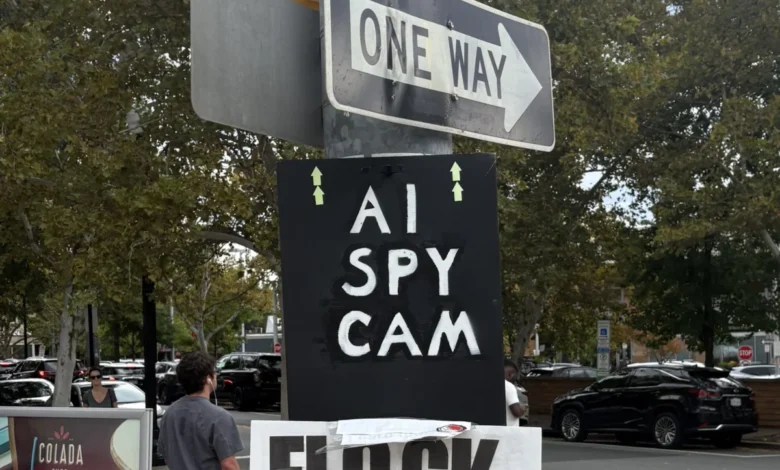
Flock Safety, the embattled automated license plate recognition and surveillance technology company, has introduced a significant voluntary severance program for its approximately 1,500 employees. According to internal communications reviewed by industry media, the company has described the buyout offer as the most generous in its operational history. Management has reportedly indicated that it anticipates widespread participation from its workforce and intends to approve the departure packages for a majority of those who apply.
The move comes at a critical juncture for the startup, which has faced mounting pressure, public scrutiny, and widespread institutional abandonment over the past several months. By strategically encouraging voluntary departures, Flock Safety aims to manage internal restructuring while mitigating the steep decline in morale among employees disheartened by the ongoing public controversies. Industry analysts and insider reports suggest that failing to execute these buyouts would have necessitated traditional, involuntary layoffs to adjust for shrinking corporate revenues and plummeting market demand.
The Roots of the Controversy
The cascading challenges facing Flock Safety escalated sharply following investigative reporting published in early August 2026. The Washington Post revealed a series of alarming privacy violations involving the misuse of the company’s expansive camera networks by law enforcement personnel. The investigation identified at least 46 distinct cases wherein police officers allegedly abused their access to Flock’s technology to track, stalk, or spy on romantic partners, spouses, and ex-partners.
These revelations struck a severe blow to the public relations narrative long maintained by Flock Safety, which has aggressively marketed its AI-driven cameras and fixed automated license plate readers as essential public safety infrastructure. Designed to capture vehicle metadata, read license plates, and track the movements of automobiles in real time, the technology has been adopted by hundreds of municipalities, homeowners associations, and police departments across the United States. However, the documented instances of domestic surveillance and stalking exposed glaring vulnerabilities in the oversight, auditing, and access controls governing how law enforcement agencies utilize private-sector surveillance tools.
A Timeline of Rapid Institutional Defection
The fallout from the August investigative reports triggered an unprecedented wave of cancellations and policy reversals across multiple states and municipalities. The backlash quickly transformed into a public policy crisis for the tech startup:

- August 2026: Investigative reports document widespread police misuse of camera networks, igniting national debates over civil liberties, data privacy, and the unchecked expansion of municipal surveillance systems.
- Late August 2026: Anti-surveillance privacy advocacy groups release tracking data showing that approximately 90 cities officially terminated their contracts with Flock Safety within the single month of August. This represented a fourfold increase in contract terminations compared to the preceding month.
- Late August to Early September 2026: State governments begin taking direct administrative action. Both Florida and Texas announce formal state-level initiatives to block, restrict, or outright ban the deployment of Flock cameras on public rights-of-way, citing severe data privacy concerns and potential constitutional violations.
- September 19, 2026: Facing compounding financial headwinds and plunging internal morale, Flock Safety rolls out its comprehensive voluntary buyout package to its 1,500-person workforce.
Leadership Response and Internal Morale
Flock Safety’s executive leadership has acknowledged the gravity of the situation, though responses have primarily focused on the psychological toll the public backlash has taken on internal operations. Chief Executive Officer Garrett Langley recently addressed the company’s trajectory during an appearance on the All-In podcast. During the discussion, Langley conceded that while the loss of municipal contracts and state-level bans represented significant commercial setbacks, the single most damaging consequence of the continuous negative media coverage has been the degradation of internal employee morale.
By offering enhanced severance terms to workers who wish to exit the company voluntarily, executives are attempting to streamline the organization while offering an ethical and cushioned exit path for personnel uncomfortable with the company’s current public standing. Observers note that this strategy allows Flock Safety to trim overhead costs without triggering the negative press typically associated with mandatory corporate layoffs, while simultaneously purging the ranks of disaffected personnel.
Broader Industry Implications and the Future of Public Surveillance
The crisis surrounding Flock Safety serves as a watershed moment for the broader law enforcement technology and smart-cities sector. For years, private tech firms have integrated deeply with municipal police forces, deploying vast networks of optical sensors, artificial intelligence analytics, and cloud-stored databases with minimal federal oversight or standardized regulatory frameworks.
The rapid unraveling of Flock’s municipal partnerships highlights a growing skepticism among local lawmakers and citizens regarding the balance between public safety initiatives and individual privacy rights. Civil rights organizations have long warned that automated license plate readers create persistent, searchable historical archives of the movements of ordinary citizens, regardless of whether those individuals are suspected of any crime. The revelation that these systems could be weaponized by rogue law enforcement officers for personal stalking has catalyzed a legislative pushback that extends far beyond Flock Safety itself.
As Florida, Texas, and dozens of independent municipalities reevaluate their reliance on automated surveillance, the economic viability of the smart-policing business model faces a rigorous stress test. Whether Flock Safety can successfully rehabilitate its public image, tighten its internal compliance and auditing mechanisms, and win back the trust of skeptical municipal leaders remains to be seen. In the immediate term, however, the company’s primary objective appears to be defensive consolidation—managing its workforce levels and weathering a public relations storm that continues to reshape the landscape of American municipal technology.