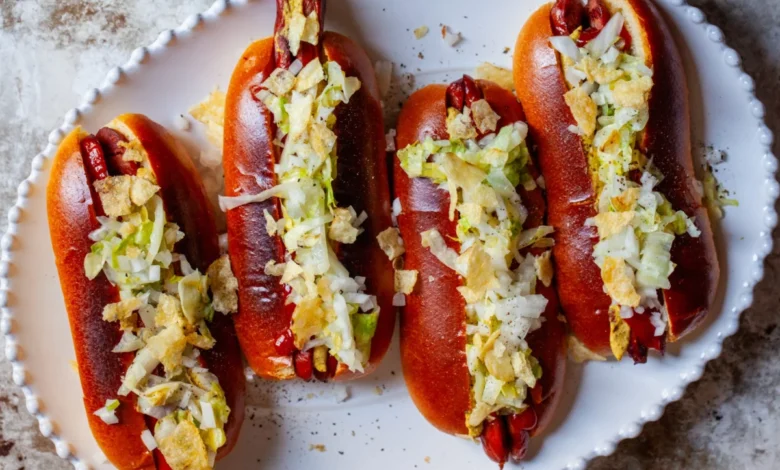
Culinary innovation often stems from unexpected places, merging traditional comfort foods with regional twists that challenge conventional preparation methods. In the latest installment of popular home-cooking features, renowned food writer and recipe developer Deb Perelman of Smitten Kitchen has introduced a specialized preparation guide for hot dogs that departs from traditional methods of cooking and garnishing. While Perelman is widely recognized for her exhaustive scratch-made kitchen projects—ranging from homemade cream cheese and fig newtons to bagels and artisanal extracts—this particular release clarifies that the frankfurters themselves are best left to commercial experts such as Hebrew National, focusing instead on optimization of texture, assembly, and topping pairings.

The resulting recipe, titled Hot Dogs with Vinegared Iceberg and Potato Chips, addresses structural integrity and flavor profiles in casual grilling culture. By re-evaluating standard grilling techniques and incorporating textural contrasts popular in international street food, the publication offers home cooks a refined approach to a summertime staple. Amid challenging weather conditions across the eastern United States and humanitarian crises abroad, the culinary community continues to adapt traditional comfort food preparation for indoor kitchens while supporting global relief efforts.
Main Facts and Structural Innovations in Frank Preparation
The core of the Smitten Kitchen methodology relies on two primary adjustments to standard hot dog preparation: the "butterflied" cooking technique and the inclusion of pickled, or vinegared, iceberg lettuce alongside crushed potato chips.

According to the culinary guidelines, butterflied hot dogs—split down the center while leaving a hinge intact at the base—offer significant advantages over cylindrical cooking. When pressed flat onto a hot grill or a cast-iron skillet, the cut surface of the meat makes direct contact with the heated metal. This promotes interior-out browning, caramelization, and a crisper texture that standard rolling hot dogs fail to achieve. Furthermore, the flattened profile prevents the frankfurter from shifting or rolling around inside the bun, creating a stable platform for heavy toppings.
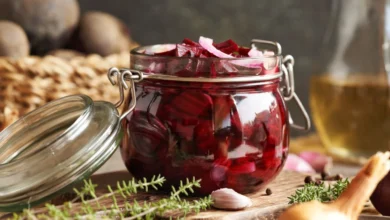
The garnish profile breaks away from standard regional American condiments by introducing vinegared iceberg lettuce. Prepared by soaking shredded iceberg in a balanced solution of water, vinegar, salt, and sugar for anywhere from thirty minutes to a full day, the lettuce provides a crisp, chilled acidity that cuts through the rich, savory profile of the meat. This technique draws inspiration from family culinary traditions, specifically the mother-in-law of the recipe creator, who popularized the vinegared crunch as a sandwich and frankfurter topping.

Global Influences and Textural Contrast
In addition to the pickled iceberg, the recipe incorporates crushed potato chips or thin potato sticks to introduce an essential crunch. While potato chips are frequently associated with American lunchbox pairings—such as being wedged inside peanut butter and jelly sandwiches—the practice of layering them directly onto hot dogs is widely prevalent throughout Latin American street food culture.
Originating decades ago from travel documentation of culinary traditions in Venezuela and neighboring countries, the addition of ultra-thin potato sticks or crumbled kettle-cooked chips provides structural complexity. Ballparks across Latin America have long utilized potato sticks to add height, salt, and crunch to hot dogs, a trend that is increasingly gaining traction in domestic American kitchens. When combined with traditional yellow mustard, ketchup, finely minced white onion, and freshly ground black pepper, the finished dish balances temperature, moisture, acidity, and crunch.

Adapting to Extreme Weather and Indoor Cooking Alternatives
The release of the hot dog preparation guide coincides with severe meteorological conditions across the eastern United States. A persistent heat dome has blanketed the region, driving temperatures into triple digits and making traditional outdoor grilling over open metal grates hazardous and uncomfortable.
In response, the culinary feature emphasizes that home cooks are not obligated to suffer through extreme outdoor heat to achieve quality results. Modern kitchen appliances, including heavy-bottomed griddle pans, stovetop presses, and conventional indoor ovens, can successfully replicate outdoor textures. This philosophy aligns with a broader movement in home cooking that encourages the use of indoor appliances for traditionally outdoor-centric dishes, as seen in popular recipes for oven-baked ribs, dry-rub oven chicken, and crispy oven-pulled pork. Culinary analysts note that maintaining cook comfort during extreme weather events contributes directly to better food quality and safer kitchen environments.

Humanitarian Response and Global Context
Beyond domestic culinary discussions, the timing of the recipe’s release intersects with significant international events. The original reference to Venezuela coincides with recent seismic activity in the region. Last weekend, Venezuela was struck by twin earthquakes measuring 7.2 and 7.5 in magnitude, causing structural damage and prompting emergency rescue operations under catastrophic conditions.
In response to the crisis, international humanitarian organizations have mobilized rescue and relief teams to assist affected communities. Among the prominent responders is World Central Kitchen (WCK), a non-profit organization founded by chef José Andrés that specializes in providing fresh meals in the wake of natural disasters. WCK teams have deployed to the affected areas, working around the clock to serve hot meals to displaced families and first responders operating in compromised infrastructure.

Food media platforms have increasingly utilized their reach to direct public attention toward humanitarian crises. By highlighting the ongoing relief efforts of organizations like World Central Kitchen, lifestyle and cooking publications bridge the gap between domestic leisure activities and global solidarity, encouraging readership engagement and financial contributions to support disaster relief operations worldwide.
Broader Implications for Modern Home Cooking
The convergence of regional comfort food adaptation, indoor cooking convenience, and global awareness highlights the evolving role of digital food media. As home cooks navigate seasonal weather anomalies and seek innovative ways to elevate familiar ingredients, culinary platforms serve both practical and socially conscious functions.

The emphasis on structural enhancements—such as the butterflied hot dog and the integration of vinegared produce—demonstrates a growing consumer appetite for elevated textures in everyday meals. Meanwhile, the seamless integration of charitable outreach within lifestyle content underscores a growing expectation that modern media outlets engage with global events constructively. As these culinary trends continue to develop, the intersection of comfort food, smart kitchen adaptations, and international awareness remains a defining characteristic of contemporary food culture.