US Secures Permanent Arctic Military Rights in Landmark Agreement with Denmark and Greenland

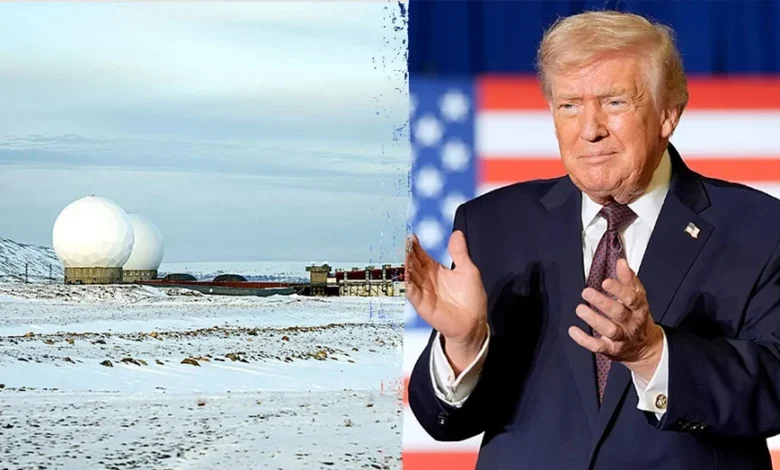
Washington — In a major geopolitical breakthrough that reshapes the strategic architecture of the high north, the United States has successfully finalized a sweeping agreement with the governments of Denmark and Greenland. The pact grants Washington permanent military access, basing, and overflight rights across the sprawling Arctic island, a territory long coveted by American defense planners for its critical geographical position.
Announced exclusively to media sources by senior administration officials, the historic accord addresses decades-old security vulnerabilities in the Arctic. Crucially, the deal achieves these long-standing national security objectives without requiring a formal transfer of territorial sovereignty and at zero financial cost to American taxpayers. The agreement permanently binds Greenland to the North American defense perimeter, effectively establishing an unbreakable strategic buffer against encroaching geopolitical adversaries in an era of heightened global competition.
Securing the Arctic High North: Core Terms of the Pact
The newly minted treaty carries no expiration date, designed intentionally to endure structural shifts in geopolitics and to remain fully binding even should Greenland eventually transition from a self-governing Danish territory into an independent nation. Under the provisions of the agreement, the United States secures unrestricted access, continuous basing privileges, and comprehensive overflight permissions across the entire expanse of the island.
Furthermore, the framework grants the U.S. military the unilateral authority to establish additional defense installations whenever operational necessities dictate. Unlike previous arrangements that required extensive multi-lateral consultations and bureaucratic approvals from Copenhagen and Nuuk, the new parameters allow Washington to expand its physical military footprint following basic consultations, eliminating potential bottlenecks in crisis scenarios.
Beyond military basing, the accord erects a formidable economic and infrastructural firewall. The treaty strictly bars China, Russia, and any other non-NATO states from constructing military facilities, stationing troops, or acquiring a foothold on the island. In addition, the agreement severely restricts adversarial foreign investment in critical sensitive sectors. Only the United States and its trusted allies will be permitted to fund, develop, or operate critical infrastructure on the island, including telecommunications networks, undersea data cables, deep-water ports, and the extraction or processing of critical minerals.
By locking down these economic vectors, Washington aims to avert scenarios similar to strategic vulnerabilities identified elsewhere in the world—most notably the Panama Canal, where extensive Chinese commercial footprints have long troubled U.S. national security analysts concerned about the dual-use nature of civilian infrastructure.
Background and Context: The Evolution of Arctic Strategy
The path to this comprehensive accord stems from mounting geopolitical tensions in the Arctic circle, driven by the rapid melting of polar ice caps, which is opening up new commercial maritime shipping lanes and exposing vast, previously inaccessible natural resource deposits. For years, both Beijing and Moscow have aggressively ramped up their presence in the polar regions. Russia has steadily reopened and modernized a sprawling network of Soviet-era military bases along its Arctic coastline, deploying advanced radar systems, air defense batteries, and specialized ice-breaker fleets. Simultaneously, China has declared itself a "near-Arctic state," heavily investing in scientific research stations, satellite ground posts, and resource extraction projects across the circumpolar north.
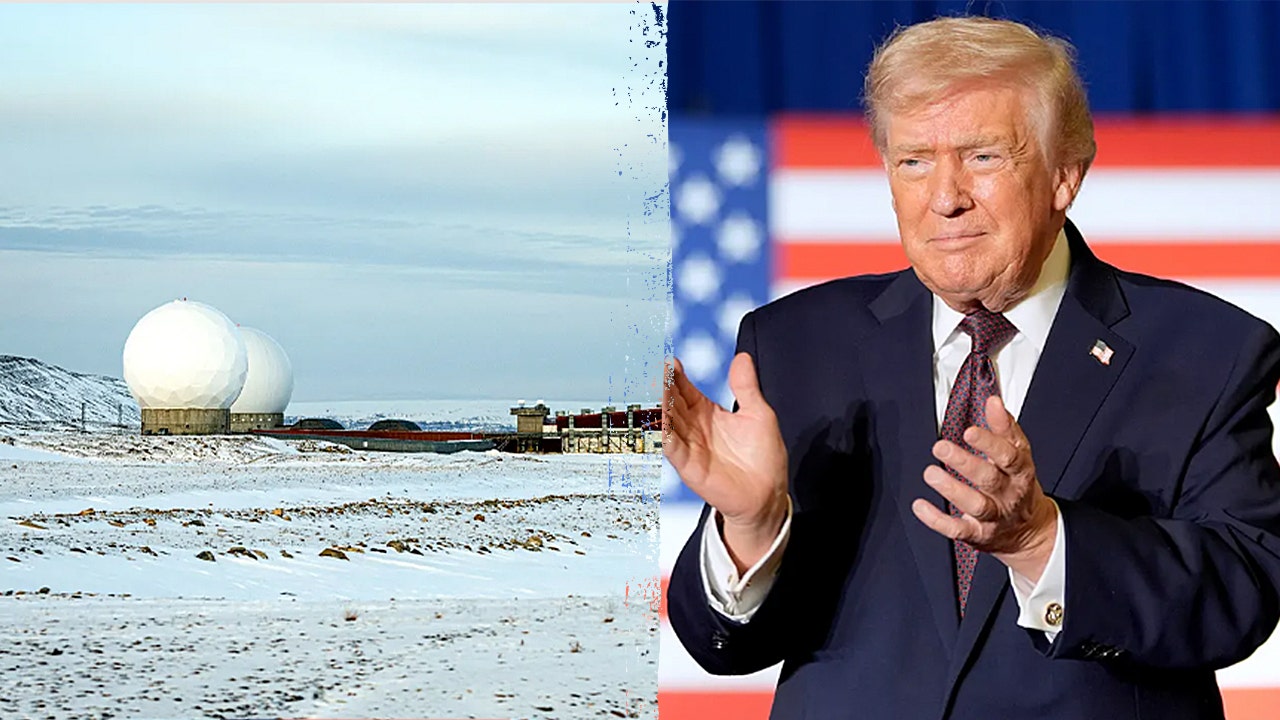
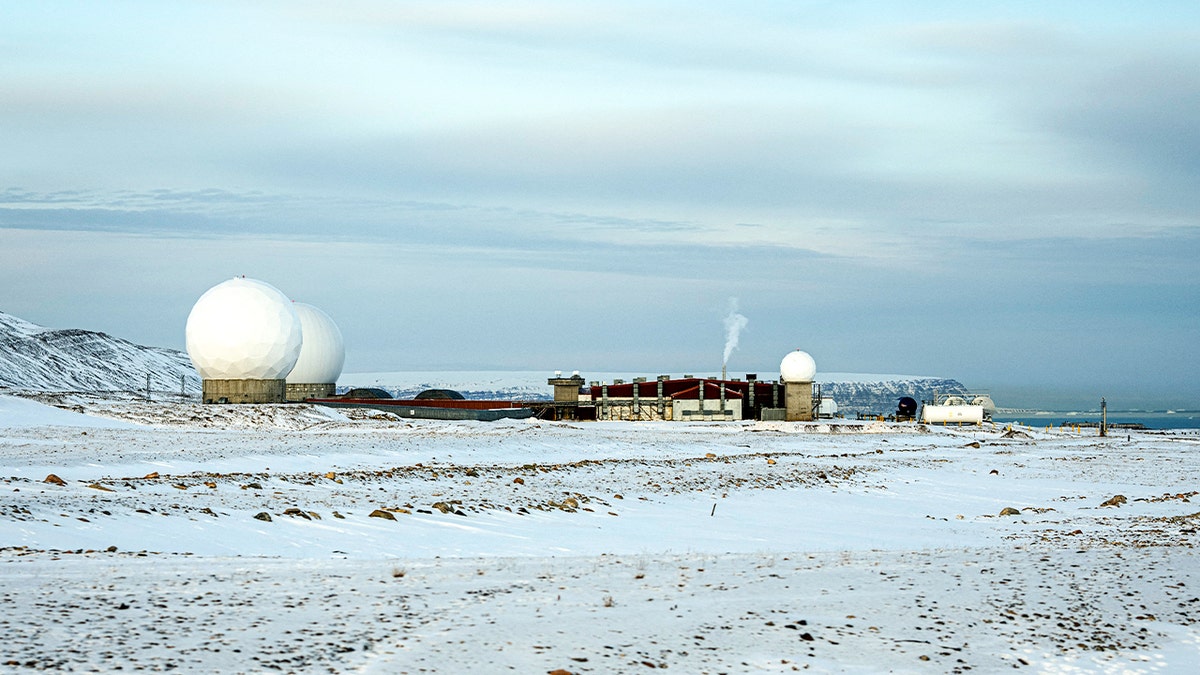
For Washington, Greenland has historically served as a critical node in continental defense. The U.S. military has maintained a physical presence on the island since the signing of a bilateral defense agreement with Denmark in 1951, most notably operating the Pituffik Space Base (formerly known as Thule Air Base) in northern Greenland. Pituffik houses vital ballistic missile early warning radar systems and space surveillance assets that form an indispensable component of North American Aerospace Defense Command (NORAD) operations.
However, as hypersonic missile technology, advanced nuclear-capable submarines, and long-range strategic bombers proliferate among U.S. adversaries, defense analysts have increasingly viewed the 1951 framework as outdated and insufficient. President Donald Trump famously reignited international debate during his first term by publicly floating the concept of the United States purchasing Greenland outright—a proposal that was swiftly rebuffed by Danish and Greenlandic leaders, who dismissed the notion as absurd and asserted that the territory was not for sale.
Despite initial diplomatic friction, the underlying strategic imperative persisted within the administration. The subsequent months saw intense, quiet diplomatic groundwork laid by Secretary of State Marco Rubio, White House advisor Stephen Miller, and high-ranking officials within the National Security Council and the State Department.
Chronology of the Negotiations
The breakthrough agreement was not forged overnight; it represents the culmination of months of meticulous, low-profile diplomacy.
- February 2026: Informal and confidential preliminary talks begin between U.S., Danish, and Greenlandic delegations. Structured to avoid media leaks, these discussions aim to align American security concerns with the local priorities of Nuuk and Copenhagen.
- Spring 2026: Negotiations transition from exploratory talks to formal treaty drafting. Secretary of State Marco Rubio and White House teams spearhead the U.S. effort, emphasizing that a robust American security umbrella is the only viable deterrent against rising Chinese and Russian aggression in the polar region.
- Mid-2026: Tensions briefly flare publicly, highlighted by assertive diplomatic exchanges at international forums, including robust defenses of territorial autonomy by Danish Prime Minister Mette Frederiksen. Behind closed doors, however, pragmatism begins to prevail.
- Late 2026: Greenlandic and Danish leadership recognize that their limited financial and military resources leave them exposed to predatory foreign influence and potential external coercion. Acceptance grows that a formalized, permanent security arrangement with Washington is mutually beneficial.
- Present: The comprehensive agreement is successfully finalized, securing permanent U.S. military and economic rights at zero cost to American taxpayers while respecting existing sovereignty lines.
Official Responses and Diplomatic Perspectives
The announcement of the pact has drawn praise from administration officials who view it as a masterclass in modern diplomatic bargaining and national security strategy.
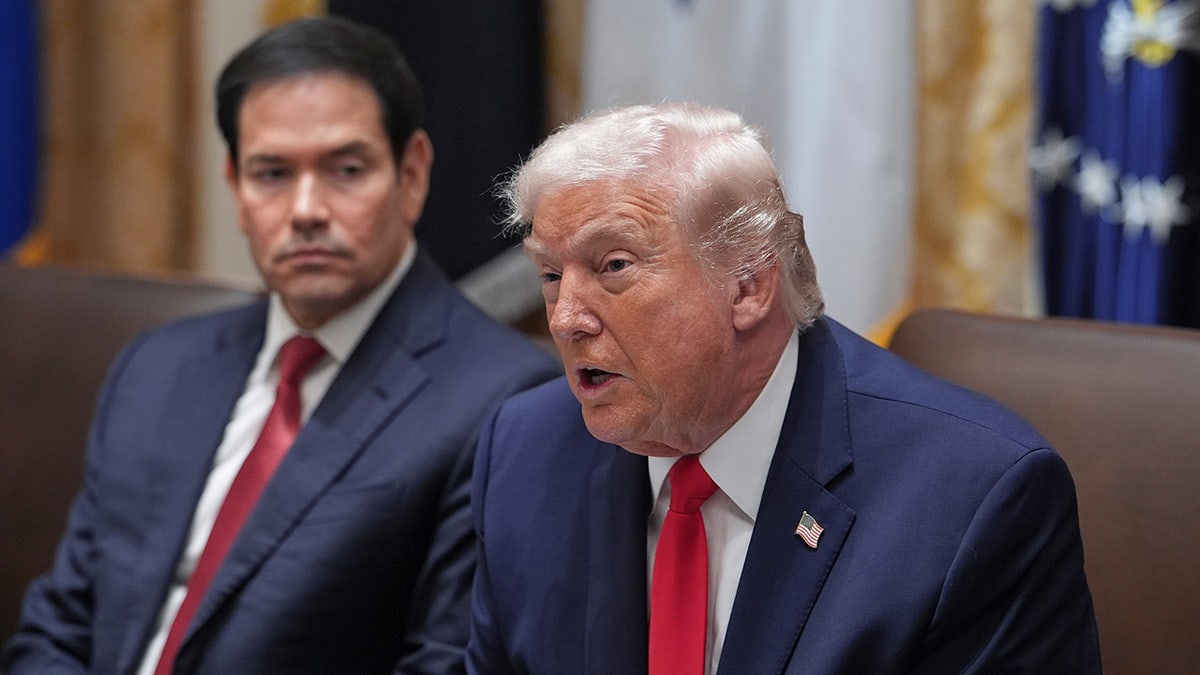
"This historic deal is a huge win for the United States and the American people," Secretary of State Marco Rubio stated in an exclusive briefing. "Thanks to President Trump’s vision and leadership, this historic agreement permanently guarantees U.S. security interests in the Arctic at zero cost to the U.S. taxpayer."
Rubio emphasized that the arrangement fundamentally resolves any lingering vulnerabilities in the North American hemisphere. "Greenland will forever be part of the strategic defense area of North America and exclude any adversary from it and the surrounding area," Rubio added. "This deal permanently and completely addresses our national security concerns in Greenland."
Addressing the financial aspect of the agreement, a senior administration official highlighted the pragmatism of the negotiation strategy. "The difference here is we’re not spending any money for the right" to expand the military footprint, the official noted, contrasting the treaty with traditional foreign acquisitions or expensive foreign aid packages.
From the perspective of Denmark and Greenland, the pivot toward accepting a permanent U.S. security presence was heavily influenced by economic realities and hard security calculations. As Rubio pointed out, both Copenhagen and Nuuk ultimately acknowledged their inherent limitations in deterring well-funded, ambitious superpowers in a contested polar arena.
"Denmark and Greenland understand that they don’t have the financial means necessary to defend Greenland if it were to come under attack or be threatened," Rubio explained. "The United States has the power to do that."
Broader Impact and Implications for Future Defense
The long-term implications of the U.S.-Denmark-Greenland accord extend far beyond the immediate geography of the Arctic island, touching upon homeland defense, missile architecture, and great-power competition.
Defense analysts suggest that the expanded military rights will serve as a vital cornerstone for broader modernization initiatives within the Department of Defense. Specifically, the enhanced basing and surveillance capabilities on Greenland are anticipated to integrate directly into proposed continental defense frameworks, such as the administration’s envisioned "Golden Dome" multi-layered missile and drone defense system. As advanced aerial threats multiply, the ability to deploy early-warning sensors and interceptor assets further north provides invaluable reaction time for North American command structures.
Furthermore, the restrictions placed on foreign investment act as a template for future economic-security integrations. By legally preempting adversarial actors from securing stakes in critical minerals, undersea communication cables, and port logistics, the United States has fortified its northern flank against gray-zone tactics, ensuring that commercial engagement cannot be weaponized against Western security interests.
Ultimately, the agreement bridges a decades-old gap between American strategic necessity and European sovereignty concerns. By establishing permanent protection without altering the political map, the pact provides a stable, enduring framework designed to safeguard the Arctic stability for generations to come.
Related posts: