The entertainment industry mourns the loss of acclaimed singer-songwriter and composer Duncan Sheik who died at age 56 due to organ failure.

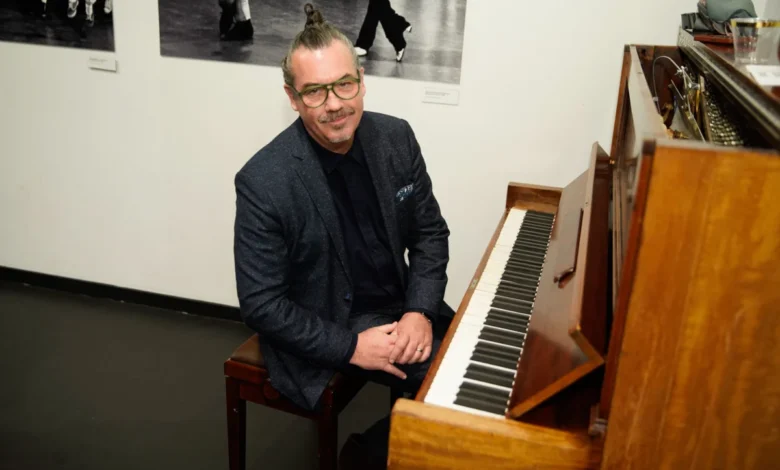
The passing of Duncan Sheik, a multifaceted artist whose career spanned the pinnacle of 1990s alternative pop and the transformative landscape of modern musical theater, has left a profound void in the artistic community. Sheik, who died on Thursday, was 56 years old. His death was confirmed as the result of organ failure, a revelation that has prompted an outpouring of grief from collaborators, peers, and fans who were deeply moved by his diverse body of work.
From his breakthrough on the airwaves with the melancholic, inescapable 1996 hit "Barely Breathing" to his Tony Award-winning reinvention of the stage musical with Spring Awakening, Sheik’s career was defined by a rare ability to bridge the gap between commercial radio success and avant-garde theatrical storytelling.
A Legacy of Musical Versatility
Born in Montclair, New Jersey, and raised in South Carolina, Sheik’s musical sensibilities were cultivated early. He emerged onto the national stage in the mid-1990s, a period marked by the dominance of alternative rock. His self-titled 1996 debut album was a critical and commercial triumph, fueled by the success of "Barely Breathing," which spent an astonishing 55 weeks on the Billboard Hot 100 chart. The song remains a touchstone of the decade, celebrated for its intricate guitar work and introspective, literate lyrics.
However, characterizing Sheik solely by his radio hits would be a failure to account for his evolution. Over the course of nine studio albums, he demonstrated a restless creative spirit. Records such as Daylight (2002) and Phantom Moon (2001)—the latter a collaboration with playwright Steven Sater—showcased a deeper, more atmospheric sound that hinted at his eventual pivot toward the theater. His work on Phantom Moon was particularly significant, as it served as the proving ground for the partnership with Sater that would eventually redefine the Broadway musical.
The Spring Awakening Phenomenon
The most significant chapter of Sheik’s professional life began in the mid-2000s when he and Sater collaborated on the musical adaptation of Frank Wedekind’s 1891 expressionist play, Spring Awakening. The production, which explored the turbulent, often tragic intersection of adolescent awakening and the repressive constraints of 19th-century society, was a daring departure from the traditional musical theater fare of the era.
When the show debuted on Broadway in 2006, it was an immediate sensation. It did not merely retell a classic; it shattered the fourth wall, with characters brandishing handheld microphones to express their inner monologues through a contemporary pop-rock score. The show won eight Tony Awards, including Best Musical and Best Original Score for Sheik and Sater. It subsequently earned a Grammy Award for Best Musical Theater Album, cementing Sheik’s status as a formidable force in American theater.
Lea Michele, who rose to stardom originating the role of Wendla in the production, shared a poignant reflection on her formative experiences with the composer. "I met Duncan when I was 14 years old," Michele wrote in a social media tribute. "I listened to a demo on tape of him singing songs from Spring Awakening outside of my middle school before my first audition. I am at a loss for words. This one hurts and does not seem real."
Industry Reflections and Personal Tributes
The reaction from the entertainment industry has been swift and somber, reflecting the high regard in which Sheik was held. Matt Pinfield, the prominent former MTV personality and music industry fixture, highlighted Sheik’s genuine, deep-seated passion for music history. Recalling their time serving together on the Grammy board of governors, Pinfield noted that their friendship was forged not through professional networking, but through a mutual, obsessive appreciation for the band Japan.
"I couldn’t believe he knew their early records," Pinfield wrote on Instagram. "That’s how our friendship started back then." This anecdote speaks to the core of Sheik’s personality: he was, at his heart, a music fan who happened to possess the rare talent to create the art he so deeply admired in others.
Steven Canals, the co-creator of the groundbreaking series Pose, offered a perspective on how Sheik’s music served as a lifeline for listeners during their own personal crises. "Duncan Sheik was so much more than ‘Barely Breathing’ and Spring Awakening," Canals noted on X. "His third album, Phantom Moon, released my sophomore year of college, got me through an emotional period. Thank you, sir, for the music and the calm."
The national organization SAG-AFTRA also issued a formal statement, acknowledging the loss of a "singer, songwriter and composer" who had been a member since 1998, emphasizing his immense contributions to both the music industry and the performing arts.
Impact on Modern Musical Theater
The implications of Sheik’s career on the trajectory of modern theater cannot be overstated. By successfully integrating a contemporary rock aesthetic into a period piece, he paved the way for a generation of songwriters to approach musical theater with a more modern, less "theatrical" sensibility. The success of Spring Awakening demonstrated that audiences were hungry for stories that tackled heavy, complex themes of sexuality, mental health, and institutional failures through a medium that felt immediate and authentic.
As the industry prepares for a major off-Broadway revival of Spring Awakening in 2027, the discourse surrounding the show has inevitably shifted. The revival will now serve as a testament to Sheik’s enduring influence. It is a reminder that while the creator is gone, the architecture of his art remains as relevant as it was two decades ago.
A Chronology of Artistic Achievement
- 1996: Release of self-titled debut album; "Barely Breathing" becomes a defining hit of the decade.
- 2001: Release of Phantom Moon, an atmospheric collaboration with Steven Sater that marked a transition toward theatrical writing.
- 2006: Spring Awakening premieres on Broadway to critical acclaim and massive commercial success.
- 2007: Spring Awakening sweeps the Tony Awards, winning eight trophies including Best Musical.
- 2008: The Spring Awakening original Broadway cast recording wins the Grammy Award for Best Musical Theater Album.
- 2010s–2020s: Sheik continues to write for various stage productions, including American Psycho and Alice by Heart, maintaining his reputation as an experimental and bold composer.
- 2026: Duncan Sheik passes away at the age of 56.
The Broader Implications of a Life in Music
Duncan Sheik’s career provides a fascinating case study in artistic longevity. In an industry that often discards artists who do not maintain a constant, high-profile presence in the pop charts, Sheik successfully pivoted, using his early success as a platform to explore more esoteric and challenging creative avenues. His work never felt like a retread of his past; rather, it was a constant process of refinement.
The music industry’s transition from the CD-buying era of the 90s to the streaming landscape of the modern day posed significant challenges for songwriters of Sheik’s generation. Yet, he remained relevant by anchoring himself in the world of theater, where the value of a song is measured not by its radio play, but by its ability to drive a narrative and evoke deep emotional resonance.
As the tributes continue to pour in, the consensus among colleagues is clear: Duncan Sheik was an artist of rare integrity. Whether through the stripped-back, acoustic sincerity of his early pop career or the sweeping, emotive orchestration of his theatrical works, he occupied a unique space in American culture. He leaves behind not just a catalog of songs, but a blueprint for how an artist can grow, change, and leave a permanent mark on the landscape of popular culture. The "calm" that Steven Canals referenced in his tribute is perhaps the most enduring quality of Sheik’s music—a sense of quiet, thoughtful reflection that will continue to offer solace to those who discover his work for years to come.