Noise Secures $5.5 Million Seed Funding to Scale Its Everyday Creator Marketing Platform

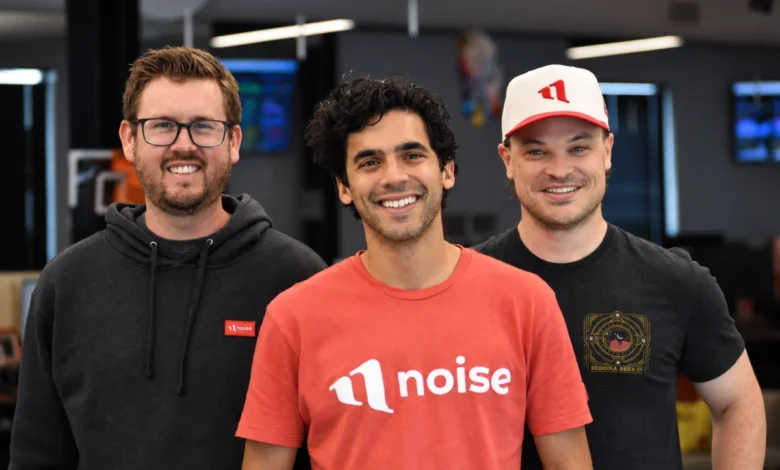
The modern digital marketing landscape is undergoing a profound structural shift as brands increasingly move away from traditional, high-cost celebrity influencers in favor of hyper-targeted, community-driven content strategies. Standing at the forefront of this evolution is Noise, an innovative marketing platform that connects brands directly with everyday consumers to produce user-generated promotional content at scale. The company announced Wednesday that it has successfully closed a $5.5 million seed funding round led jointly by Capital Midwest, M25, and Grishin Robotics. This fresh injection of capital brings Noise’s total cumulative fundraising to $7.2 million, following participation from additional strategic investors including Capitalize VC and various high-profile operators from technology leaders such as DoorDash.
The newly acquired funds are earmarked for aggressive product expansion, technological scaling, and strategic talent acquisition. Furthermore, the capital arrives on the heels of the company’s recent launch of its "Organic-to-Ads" program. This feature bridges the gap between organic social media outreach and paid performance marketing, allowing brands to seamlessly convert community-created videos into paid promotional assets distributed across major digital ecosystems like Meta and TikTok.
Democratizing Influence: The Core Mechanics of Noise
At its foundational level, Noise operates by eliminating the traditional friction points associated with influencer marketing campaigns. Historically, brands looking to leverage social media creators faced significant operational hurdles, including sourcing talent, negotiating individual contracts, managing fragmented payment structures, and coordinating multi-channel rollouts. For emerging startups and lean marketing teams, these administrative bottlenecks often proved prohibitively expensive and time-consuming.
Noise automates and streamlines this entire lifecycle. Brands sign up for the platform to outline their specific content briefs, strategic objectives, and campaign budgets. Rather than manually vetting thousands of creators, the platform automates distribution, matching the brief with a massive pool of registered users.
What sets Noise apart from traditional influencer marketplaces is its absolute accessibility. The platform does not require applicants to possess a pre-established follower count, high engagement metrics, or professional-grade production studios. Instead, anyone with a smartphone and a social media account can download the Noise application, complete the platform’s onboarding creator training modules, and immediately begin browsing available brand campaigns.
Creators produce tailored content across major social networks—including TikTok, Instagram, Facebook, and YouTube—and are compensated based on performance metrics, specifically earning per view rather than through a traditional flat fee structure. This performance-based model aligns the financial incentives of the creator directly with the commercial success and visibility of the content they produce.
The Genesis of Noise: From Mobile Gaming to Marketing Infrastructure
The conceptual framework behind Noise did not emerge in a vacuum; rather, it was born out of firsthand entrepreneurial necessity. Founders Diego Kafie, Stu Feldt, and Nic Weber launched Noise in 2025, but their collaborative journey began two years prior when they set out to build a mobile gaming application called Playbite.
While attempting to scale Playbite on a tight startup budget, Kafie and his co-founders quickly discovered the harsh economic realities of contemporary customer acquisition. Engaging established social media influencers with large, loyal followings demanded rates that were far beyond the financial reach of a scrappy startup. Unwilling to abandon their growth goals, the founders began experimenting with grassroots marketing alternatives.
The team started small, recruiting a handful of early users and personally teaching them how to conceptualize, shoot, and publish engaging short-form social media content centered around mobile gaming and the Playbite app. What began as an experimental cohort of five users quickly expanded to ten, twenty-five, and eventually one hundred active participants.
Before long, Playbite’s application install metrics began skyrocketing. A self-sustained community of everyday users was flooding platforms like TikTok with daily promotional content, driving organic acquisition at a fraction of the cost required by traditional digital advertising playbooks. This organic scaling success provided the structural blueprint for what would eventually evolve into Noise. Recognizing that millions of everyday consumers possessed the untapped potential to become brand advocates if given the right tools and guidance, the founders pivoted their operational focus toward building infrastructure for the broader creator economy.
Capitalizing on Macroeconomic Shifts in the Creator Economy
The launch and rapid expansion of Noise coincide with profound sociological and economic changes in how young people view employment and digital media consumption. According to recent data from CNBC and various labor studies, more than 57% of Generation Z and over 40% of U.S. adults overall express a strong personal desire to become professional content creators.
However, entering the influencer economy independently has become increasingly difficult. High market saturation, algorithmic volatility, and the significant financial investment required to produce competitive content create formidable barriers to entry for aspiring creators. Noise addresses this friction by providing a structured onboarding path. New users begin by completing educational modules that demystify the mechanics of brand-safe content creation. As creators successfully deliver performance-driven campaigns and build up their operational portfolios on the platform, they unlock access to increasingly lucrative opportunities.
CEO Diego Kafie emphasizes that the platform successfully bridges the gap between ambitious individuals looking to monetize their digital presence and brands desperate for authentic audience reach. According to leadership, top-tier creators utilizing the Noise platform are now generating more than six figures annually. Meanwhile, the platform sustains its business model by taking a modest percentage fee from the capital allocated by brands once targeted view milestones are successfully achieved and verified.
Operational Scale and the Organic-to-Ads Integration
While Noise currently caters primarily to mobile applications and early-stage companies operating under strict marketing constraints, the company’s long-term strategic vision encompasses brands of all sizes and industry verticals. For mobile app developers and emerging direct-to-consumer brands, the ability to rapidly deploy thousands of micro-creators simultaneously offers an unprecedented degree of content diversity.
"Our top brands work with several thousand creators on autopilot," Kafie noted, highlighting the hands-off nature of the platform’s automation architecture. By deploying a decentralized network of everyday users, brands can bypass the monotonous tasks of relationship management and contract negotiation while achieving a multifaceted market presence.
The recently introduced Organic-to-Ads program represents a major leap forward in maximizing the utility of user-generated content. Traditionally, brands utilizing creator-led platforms were limited to the organic reach generated on the individual creator’s profile. Under the new program, brands can identify high-performing organic assets produced through Noise and immediately inject paid advertising budgets behind those specific creatives across Meta and TikTok ecosystems. This dual-action approach allows marketing teams to amplify proven content to a much broader demographic while retaining the authentic, peer-to-peer aesthetic that resonates so strongly with modern digital audiences.
Addressing Market Criticisms and Ensuring Creator Agency
As with any platform operating within the gig economy and influencer marketing sectors, questions surrounding fair compensation and creator autonomy naturally arise. When confronted with concerns regarding whether automated platforms might underpay creators compared to independent negotiations, company leadership maintains a steadfast stance on market transparency.
Kafie clarifies that participating brands independently establish their compensation rates based on budget and campaign scope, after which individual creators retain full autonomy to evaluate the terms and consciously decide whether to accept or decline the assignment. Furthermore, leadership stresses that Noise does not seek to poach established top-tier influencers who already command luxury rates; rather, the platform focuses explicitly on identifying and nurturing everyday consumers, turning them into capable brand-new creators who might otherwise struggle to monetize their digital time.
Implications for the Future of Digital Advertising
The successful closure of Noise’s seed round highlights a broader industry acknowledgment that consumer trust has shifted decisively away from glossy, high-production corporate advertisements and monolithic celebrity endorsements. Modern consumers increasingly value authenticity, relatability, and peer validation when making purchasing decisions.
By creating an operational bridge that lowers the barrier to entry for aspiring digital creators while simultaneously offering scalable, cost-effective solutions for brands, Noise is helping to redefine the boundaries of performance marketing. As the platform scales its technical capabilities and expands its workforce following its latest financial backing, it stands to empower millions of smartphone users to generate their first meaningful online income—all while transforming the fundamental playbook for corporate brand awareness in the twenty-first century.