Adoptive Father Accused of Murdering Daughter, 10, Torturing Twin Brother Receives Trial Date

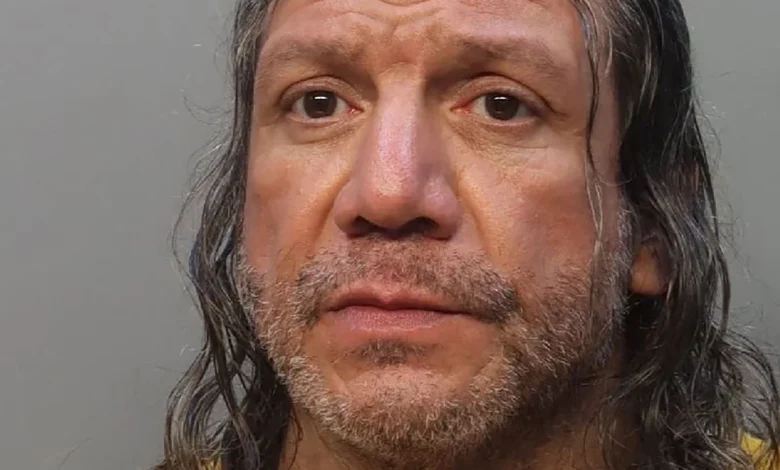
The legal proceedings against Jorge Barahona, a 59-year-old Florida man accused of orchestrating one of the most harrowing child abuse cases in the state’s history, have reached a definitive milestone. Court records from Miami-Dade County confirm that Barahona is scheduled to stand trial on March 15, 2027, more than 16 years after the discovery of his adopted daughter’s remains. The charges against him include first-degree murder, attempted murder, and multiple counts of aggravated child abuse. This trial marks the culmination of a protracted judicial odyssey defined by competency hearings, procedural delays, and the haunting legacy of a case that once spurred a total overhaul of Florida’s child welfare protocols.
A Grisly Discovery and the Immediate Aftermath
The case first drew national outrage in February 2011, when Florida Highway Patrol officers discovered a truck abandoned on the shoulder of Interstate 95 in Palm Beach County. Inside the vehicle, authorities found the decomposing body of 10-year-old Nubia Barahona. Her body had been doused in toxic chemicals, a detail that investigators later identified as an attempt to mask the smell of decomposition and potentially destroy forensic evidence.
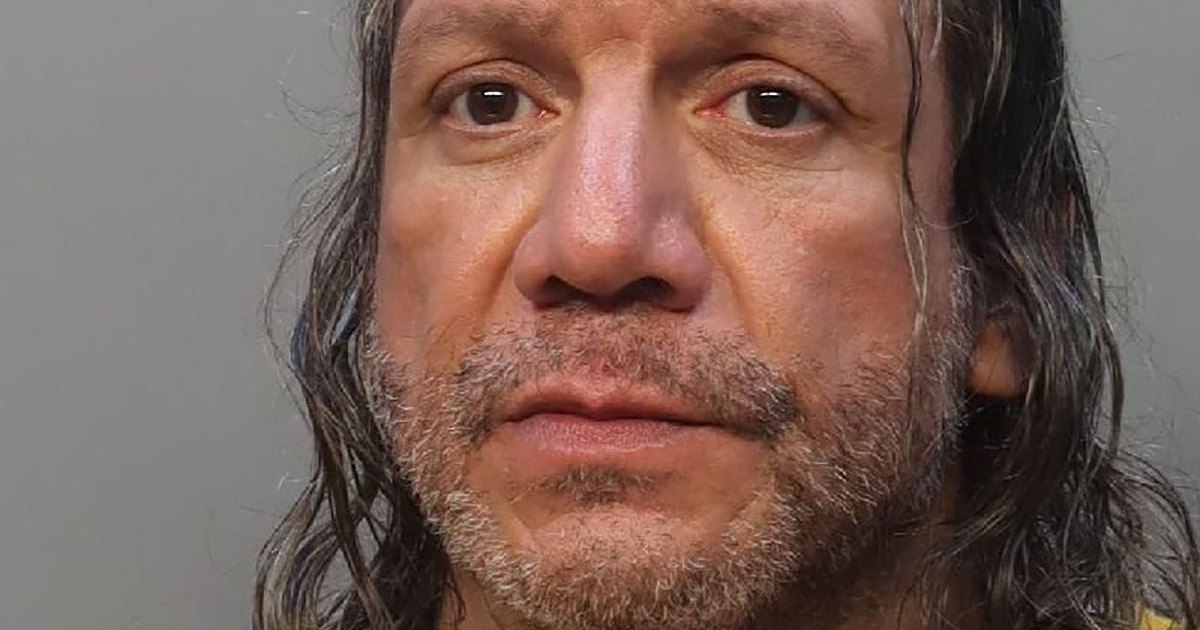
Seated in the driver’s seat was Jorge Barahona, who appeared to be suffering from self-inflicted chemical burns. Beside him was his adopted son, Victor, the twin brother of the deceased. Victor was found alive but in a state of extreme distress, suffering from seizures caused by severe chemical exposure. The discovery shattered the facade of the Barahona household, revealing years of systemic torture that had remained hidden behind closed doors despite prior involvement from state authorities.
A Chronology of Systemic Failure and Criminal Activity
The history of the Barahona twins, Nubia and Victor, serves as a grim case study in the failures of the foster-to-adoption system. The twins were placed with Jorge and his then-wife, Carmen Barahona, in 2004. By 2009, the couple had finalized the legal adoption of both children. However, evidence presented in court documents and during subsequent investigations painted a picture of a home turned into a chamber of horrors.
Prosecutors alleged that the twins were subjected to daily physical and psychological torment. The abuse was described by law enforcement officials as “subhuman.” According to the investigation, the children were frequently bound with electrical cords, locked in a bathroom for extended periods, and subjected to electric shocks while submerged in a bathtub. The psychological trauma, compounded by the physical toll, led to a state of near-total isolation for the children until the fatal incident in 2011.

Following the discovery of the crime, the state of Florida faced intense scrutiny. The Department of Children and Families (DCF) was accused of ignoring numerous "red flags" and reports of abuse that had been filed years prior to the tragedy. The resulting public outcry led to the resignation of top officials and prompted the Florida Legislature to mandate stricter oversight for children in the foster care system, specifically regarding the background checks and home-study requirements for prospective adoptive parents.
The Legal Battle: A Decade and a Half of Delays
The path to trial has been anything but straightforward. Jorge Barahona’s case has been stalled repeatedly due to his mental competency. Over the past 15 years, the defense has successfully argued at various intervals that Barahona was not fit to stand trial, citing complex psychological factors. It was not until July 2025 that a judge officially ruled him competent to proceed.
His ex-wife and co-defendant, Carmen Barahona, followed a different path through the legal system. In 2020, facing the prospect of the death penalty, she entered a guilty plea to charges related to the abuse and murder of Nubia. As part of her plea agreement, which secured her a sentence of life in prison, she agreed to provide testimony against her former husband. This development was considered a significant win for the prosecution, as it secured a key witness who had been present throughout the years of systemic abuse.

Defense Strategy and Proclamations of Innocence
Despite the overwhelming volume of evidence gathered by state investigators, Jorge Barahona’s defense attorney, Stephan Lopez, has signaled an aggressive strategy aimed at avoiding a capital sentence. In a recent statement, Lopez challenged the state’s reliance on what he describes as "legally insufficient" evidence.
"The tragic death of this beautiful child cannot be undone by improperly stacking a list of unprovable charges against Jorge Barahona," Lopez stated. He argued that after 15 years, the state has failed to meet the burden of proof required to link his client to the specific act of first-degree murder beyond a reasonable doubt. The defense’s stance suggests that the upcoming trial will likely involve intense litigation regarding the admissibility of evidence and the reliability of witness testimony, particularly that of Carmen Barahona.
Societal Impact and the Search for Justice
The case of the Barahona twins remains a touchstone for child advocacy groups. For many, the $3.75 million settlement awarded to Victor Barahona in 2017 served as a symbolic admission of the state’s failure to protect him and his sister. Victor, who eventually moved to Texas to live with relatives, has largely stayed out of the public eye as he attempts to rebuild his life after enduring years of unimaginable cruelty.

The broader implications of the case are still felt today in the halls of the Florida Department of Children and Families. The "Barahona Effect" forced a shift toward more proactive, risk-averse child welfare investigations. However, critics argue that such cases highlight the inherent difficulty of monitoring private homes after the finalization of adoptions, leaving children vulnerable to parents who can hide their predatory behavior behind closed doors.
Looking Toward 2027
As the Miami-Dade County court system prepares for the March 2027 trial, the community is bracing for the reopening of old wounds. The trial is expected to be a lengthy and emotionally taxing process, with testimony likely to detail the full extent of the abuse the twins suffered. For the prosecution, the goal is clear: to secure a conviction that reflects the gravity of the crimes committed against two vulnerable children. For the defense, the focus remains on navigating the legal technicalities that have kept this case in the courts for nearly two decades.
A status hearing scheduled for October 6 will serve as the next step in preparing for the trial. This hearing is expected to address remaining pre-trial motions and ensure that all parties are ready to move forward. As the date approaches, the case remains a sobering reminder of the ultimate cost of institutional failure and the enduring, painful pursuit of justice for those who were silenced by their caregivers. The outcome of this trial will not only determine the fate of Jorge Barahona but will also provide a final, albeit late, chapter in a story that forever changed the way Florida views its responsibility to its most vulnerable residents.