The 78th Emmy Awards Red Carpet and Nominations Breakdown Reflects a New Era for Television Excellence

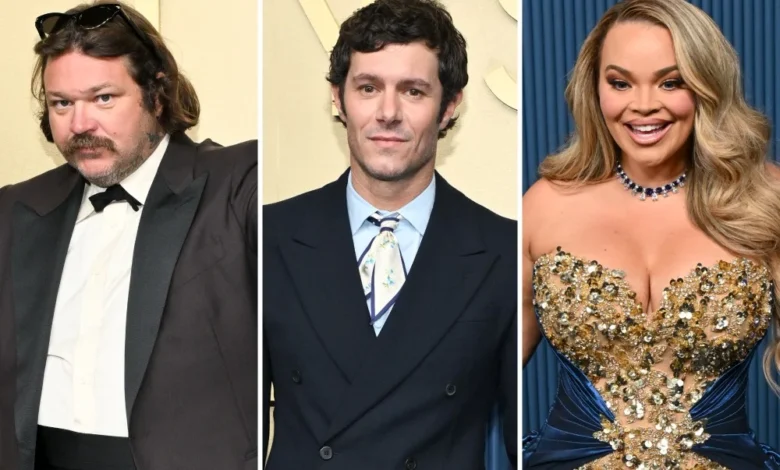
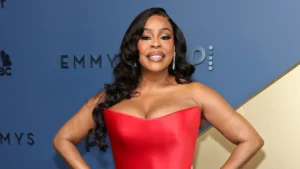
The 78th Emmy Awards have officially commenced, transforming the red carpet into a high-fashion spectacle that signals not just a celebration of talent, but a definitive shift in the current television landscape. As the industry’s most prestigious night unfolds, the nominations themselves reveal a power struggle between legacy streaming platforms and the evolving strategies of major networks. With HBO Max’s medical drama The Pitt leading the pack with an impressive 25 nominations and the final season of Hacks shattering historical records with 24, the narrative of the 2026 Emmys is one of technical precision, narrative ambition, and the undeniable dominance of prestige streaming content.

A Historic Milestone for Comedy and Drama
The statistical landscape of this year’s awards is anchored by the unprecedented performance of Hacks. By securing 24 nominations for its fifth season, the show has cemented its place in television history as the most-nominated final season of a comedy ever. This achievement underscores the Academy’s preference for character-driven, long-form storytelling that manages to maintain critical relevance over half a decade.

While Hacks dominates the comedy discourse, the medical drama The Pitt has established itself as the heavy favorite in the drama categories. Garnering 25 nods, the show has effectively captured the attention of the Television Academy through its gritty, realistic portrayal of clinical environments and the ethical dilemmas facing medical professionals. The sheer volume of nominations for The Pitt—extending into acting, writing, and technical categories—suggests a broad-based support from voters that often precedes a sweep in major categories.

Apple TV+ continues to assert its influence as a major disruptor, with the horror-comedy Window’s Bay securing 19 nominations and the series Pluribus following closely with 18. These figures highlight Apple’s targeted strategy of investing in high-concept, genre-defying series that appeal to both critics and niche audiences. On the broadcast side, NBC’s Saturday Night Live remains a stalwart of the industry, leading all broadcast network entries with 11 nominations, proving that despite the shift toward on-demand streaming, long-running variety programs remain a vital component of the cultural conversation.

The Landscape of Lead Performance
The competition for the Lead Actor and Actress in a Drama Series categories features a blend of industry veterans and rising stars. The Best Actor in a Drama Series field is exceptionally crowded this year, featuring Sterling K. Brown for his work in Paradise, Gary Oldman for the gripping Slow Horses, Mark Ruffalo for his performance in Task, Rufus Sewell in The Diplomat, and Noah Wyle for The Pitt. The inclusion of Wyle, whose performance anchors the most-nominated drama of the year, puts him in a strong position, though the Academy has historically favored nuanced character studies like those delivered by Oldman and Ruffalo.

In the Lead Actress in a Drama Series category, the list includes Carrie Coon for The Gilded Age, Chase Infiniti for The Testaments, Keri Russell for The Diplomat, Rhea Seehorn for Pluribus, and Zendaya for Euphoria. This category represents a fascinating generational clash. Zendaya’s sustained relevance in the cultural zeitgeist, balanced against the critical acclaim garnered by veterans like Keri Russell and Carrie Coon, creates a competitive dynamic that makes this one of the most unpredictable categories of the evening.

The Supporting Cast and The Pitt’s Dominance
The depth of the acting talent within The Pitt is perhaps best illustrated by the supporting categories, where the show has essentially monopolized the nomination slots. In the category of Best Supporting Actor in a Drama Series, three of the seven nominees—Patrick Ball, Shawn Hatosy, and Gerran Howell—hail from The Pitt. They face stiff competition from industry heavyweights such as Billy Crudup (The Morning Show), Jack Lowden (Slow Horses), Tom Pelphrey (Task), and Carlos-Manuel Vesga (Pluribus).

A similar trend is visible in the Best Supporting Actress in a Drama Series category. The female ensemble of The Pitt—Taylor Deardon, Fiona Dourif, Katherine LaNasa, and Sepideh Moafi—have collectively earned nods, reflecting a deep, collaborative performance style that has clearly resonated with voters. They are joined by esteemed peers including Allison Janney (The Diplomat), Julianne Nicholson (Paradise), and Karolina Wydra (Pluribus). This clustering of nominations for a single production suggests a unified narrative and a high level of ensemble chemistry that voters are eager to reward.

Chronology of the 2026 Awards Cycle
The road to the 78th Emmys was defined by a condensed and highly competitive calendar. Following the eligibility window that closed in late spring, the nomination phase took place under a backdrop of industry-wide focus on the sustainability of streaming models. The nominations were announced in mid-summer, setting off a feverish period of "For Your Consideration" campaigning. Throughout August and September, the Academy of Television Arts & Sciences engaged in a rigorous voting process that prioritized the quality of production, acting, and narrative complexity. The current evening, taking place on a Monday, serves as the culmination of these efforts, with the red carpet arrivals setting the tone for a night of industry self-reflection.

Broader Implications and Industry Analysis
The dominance of streaming platforms like HBO Max and Apple TV+ at the 78th Emmys is more than just a matter of prestige; it is a reflection of where the creative capital of the industry currently resides. The fact that the most-nominated shows are largely produced for digital platforms underscores the reality that "event television" is now primarily a streaming phenomenon.

For the networks, the challenge remains clear: how to retain audience engagement when the prestige metrics are so heavily skewed toward subscription-based services. Analysts note that while broadcast networks like NBC continue to hold ground with staples like SNL, the growth in the drama and comedy categories is almost exclusively occurring in the digital space. This shift has significant implications for how talent is managed, how budgets are allocated, and how the "prestige" of a project is defined in the 2020s.

Furthermore, the concentration of nominations in shows like The Pitt indicates a trend toward "total sweep" potential. When a show captures both lead and supporting acting categories, it often signals an across-the-board mastery of production, from the casting director’s vision to the final editing suite. This level of synchronization is increasingly required to break through the "content clutter" of the current streaming environment.

Official Responses and Industry Sentiment
While the winners are yet to be determined as the ceremony progresses, industry representatives have lauded the diversity and depth of the 2026 slate. Academy officials have noted that the high volume of entries this year reflects a post-production rebound following recent labor disruptions, resulting in a robust, high-quality pool of contenders.

"The level of craft on display this year is a testament to the resilience of our creative community," a representative for the Television Academy noted in a pre-show briefing. "From the writing rooms to the makeup trailers, the nominees have pushed the boundaries of what television can be."

As the stars continue to navigate the red carpet and the ceremony moves toward the presentation of the major awards, the industry remains focused on the potential for upsets. While the nomination counts for The Pitt and Hacks make them the statistical favorites, the Emmy Awards have a storied history of awarding surprise winners who capture the hearts of the voters in the final days of the cycle.

Conclusion
As the 78th Emmy Awards progress, the evening stands as a landmark event in the history of television. Whether through the record-shattering success of Hacks or the sweeping influence of The Pitt, this year’s awards reflect an industry that is both evolving and deeply committed to the art of visual storytelling. As the statues are handed out, the focus will shift from the red carpet glamour to the lasting impact these stories have had on global audiences, solidifying the legacy of the 2026 television season as one of the most competitive and artistically diverse in recent memory. The industry now looks toward the next cycle, but for tonight, the spotlight remains firmly on the work that has defined the current year of excellence in television.