Gemma Chan Praises Channing Tatum’s Emotional Depth in New Drama Josephine at the Toronto International Film Festival

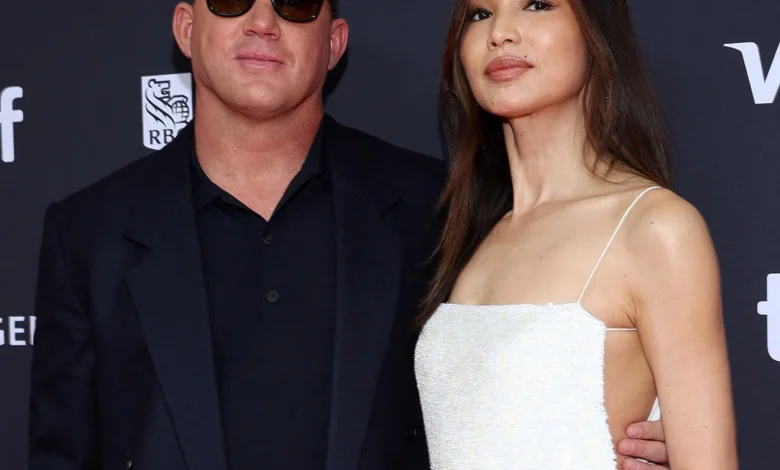
The 2026 Toronto International Film Festival (TIFF) provided the backdrop for one of the most anticipated dramatic turns of the year, as actor Channing Tatum stepped outside his traditional comedic and action-hero comfort zones to star in the heavy psychological drama Josephine. Premiering to a rapturous audience and positive early critical reception, the film centers on a married couple grappling with the psychological fallout after their young daughter witnesses a traumatic, violent crime.
While Tatum has long been established as a powerhouse in blockbusters and high-energy dance comedies such as Magic Mike and 21 Jump Street, his performance in Josephine has recalibrated how critics and industry peers view his dramatic range. Chief among those impressed is his costar Gemma Chan, who opened up during the festival about witnessing Tatum’s metamorphosis on set and how his personal life profoundly shaped his approach to the emotionally demanding material.
A Father’s Instinct on Screen
According to Gemma Chan, Tatum’s ability to anchor the harrowing narrative of Josephine came down to a raw, unshielded emotional availability that he channeled directly from his reality as a father. Tatum shares a 13-year-old daughter, Everly, with his ex-wife Jenna Dewan.
Speaking with reporters and entertainment correspondents on the red carpet in Toronto, Chan noted that audiences accustomed to Tatum’s comedic timing or physical prowess will encounter an entirely different performer in director Beth de Araújo’s new picture.
"If you only know him from things like Magic Mike or 21 Jump Street, you will be in for a whole new side of Channing Tatum," Chan remarked. "He’s got such emotional availability. He’s got a daughter as well, so I feel that he brought so much of his own experience to this role, and he’s amazing."
Critics have echoed Chan’s sentiments, highlighting Tatum’s performance as a career milestone. The narrative weight of playing a parent trying to protect and stabilize a child in the aftermath of terror requires a delicate touch—one that balances visceral fear with steady, protective paternal love. Chan expressed zero surprise at the critical lauds, noting that she has long recognized his underlying dramatic capabilities away from the commercial spectacles that often define major Hollywood star personas.
The Discovery of Breakout Talent Mason Reeves
While the marquee names of Tatum and Chan drew initial attention to the project, much of the early festival buzz has focused on young breakout star Mason Reeves. The nine-year-old actor delivers a performance that both critics and costars describe as pivotal to the film’s success.
The casting process for such a complex, high-stakes role was notoriously grueling. However, director Beth de Araújo found her cinematic anchor in an unconventional setting: a local farmers market. Struck by Reeves’ natural presence, the director invited her to audition, setting in motion a journey that culminated in a critically praised TIFF premiere.
Chan was quick to heap praise on her young costar, emphasizing that the film’s delicate emotional architecture would have collapsed without the right child actor.
"She’s so talented," Chan said of Reeves. "She’s so wise beyond her years, and also a regular, fun-loving kid. The film wouldn’t have worked if we hadn’t found her, so I’m so happy."
A Long-Awaited Cinematic Journey
For the creative team behind Josephine, the premiere at TIFF represented the culmination of a protracted, often uncertain development cycle. Independent cinema frequently faces financial and logistical hurdles, and Josephine was no exception.
Chan revealed that her involvement with the project dates back several years, pointing to the tenacity required to bring difficult, non-franchise narratives to the screen in the modern studio ecosystem.
"This film is truly a small miracle that it got made," Chan noted, reflecting on the timeline. "I was first sent the script back in 2019, so it’s been a bit of a journey. And now that we get to share it with people, it’s a special moment, and I feel really happy, really proud."
The 2019 script phase preceded the disruptions of the global pandemic and subsequent industry strikes, making the 2026 festival premiere a hard-won victory for the cast and crew. The five-year gap between initial conception and public screening underscores the fragile nature of independent filmmaking, where passion projects often rely on the sustained commitment of high-profile actors like Chan and Tatum to secure funding and production momentum.
Early Oscar Speculation and Festival Implications
As the dust settles on the initial screenings of Josephine at TIFF, industry analysts and awards pundits have already begun floating Tatum’s name in early conversations regarding the 2026 Academy Awards season. Given the Academy’s historical affinity for physical comedic actors executing dramatic pivots—as well as stories centered on intense familial trauma—Josephine fits the profile of a classic prestige drama.
When asked about the nascent Oscar buzz surrounding her and her costars, Chan maintained a measured, grounded perspective typical of seasoned veterans of the festival circuit.
"One step at a time, for sure," the Crazy Rich Asians star said when questioned about potential awards trajectories. "If people are responding to it and enjoying it, then that’s a bonus, and who knows."
The Toronto International Film Festival has traditionally served as an essential launching pad for the autumn awards race, filtering out projects that lack commercial or critical viability while elevating dark-horse contenders. By positioning Josephine at TIFF, the distributors have signaled immense confidence in the film’s resonance with both critics and specialty audiences.
Broader Cultural Impact of the Film’s Subject Matter
Beyond the awards chatter and red carpet glamour, Josephine tackles a profoundly difficult societal subject: the psychological burden placed on children who witness acts of violence, and the secondary trauma experienced by the parents tasked with picking up the pieces.
In an era where cinematic thrillers often sensationalize crime for mere entertainment value, Josephine aims for a grounded, empathetic exploration of healing and family dynamics. By casting Tatum—an actor whose public persona is largely built on physical strength and charm—as a father pushed to his emotional limits, the film subverts audience expectations. It forces viewers to confront vulnerability in male protagonists, a thematic shift that aligns with broader contemporary conversations surrounding mental health, fatherhood, and the deconstruction of traditional masculine archetypes in media.
As Josephine moves forward from its TIFF premiere toward a broader theatrical rollout, its success will likely depend on word-of-mouth momentum and the continued advocacy of its cast. For Channing Tatum, the project represents a crucial pivot point in his career trajectory, proving that his emotional range matches his undeniable box office draw. And for Gemma Chan, the realization of a project nurtured since 2019 stands as a testament to the enduring power of independent storytelling on the international stage.