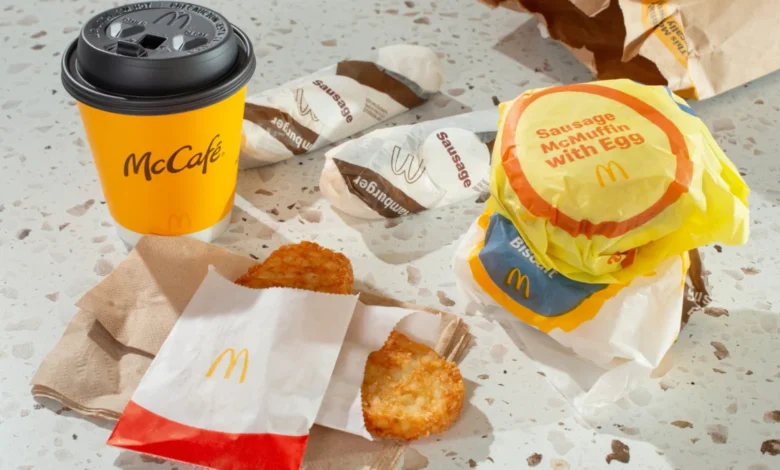
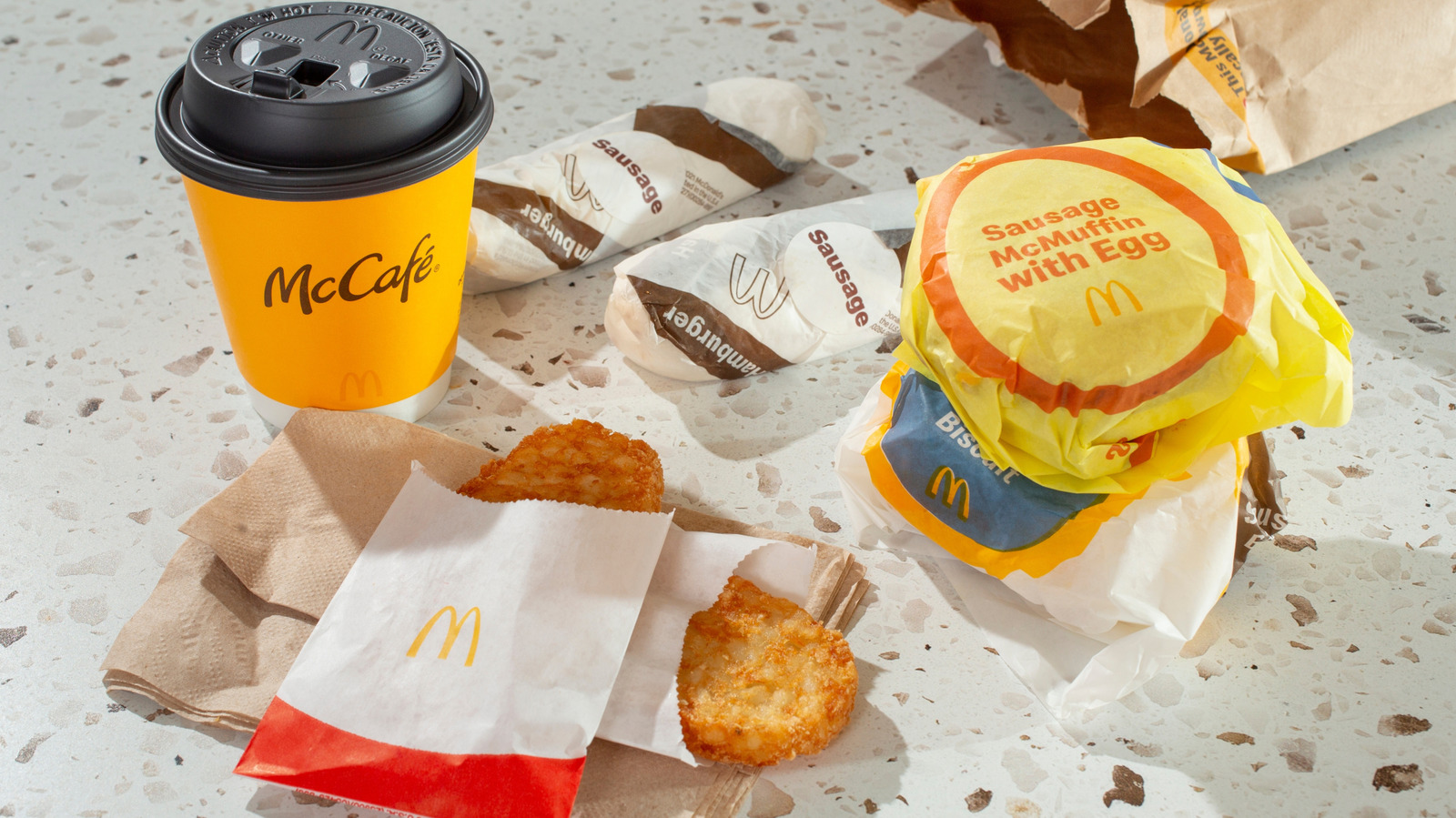
The morning rush has long made fast-food breakfast a staple of the modern diet, with McDonald’s holding a commanding market share in the quick-service restaurant (QSR) morning sector. While millions of consumers routinely purchase standard menu items—ranging from the iconic Egg McMuffin to various biscuit and McGriddle offerings—a growing subculture of culinary experimenters and online communities has popularized simple yet effective ordering adjustments. These modifications do not rely on complex, labor-intensive "secret menu" requests that burden kitchen staff, but rather leverage the existing point-of-sale customization features available at the counter or through the official McDonald’s mobile application. As consumer demand for personalization in the fast-food industry reaches historic highs, understanding how to optimize these morning staples provides a practical blueprint for enhancing flavor profiles, texture, and nutritional value.
Background and Evolution of Fast-Food Customization
The operational model of American fast-food chains was historically built on strict uniformity and speed, minimizing kitchen friction by discouraging custom orders. However, the widespread adoption of digital ordering platforms, including self-service kiosks and mobile applications, has fundamentally altered this paradigm. By shifting the labor of customization to the consumer interface, restaurants like McDonald’s have streamlined the process of altering standard builds without impacting drive-thru times.
Breakfast items, in particular, occupy a unique psychological and economic space in the QSR industry. Morning meals represent some of the highest-margin transactions for fast-food operators, driving early-morning foot traffic and setting customer loyalty tones for the rest of the day. Industry analysts note that as consumers face economic tightening, they increasingly seek maximum value and sensory satisfaction from dining out, leading to creative optimization of affordable menu items rather than purchasing higher-priced specialty goods.
Strategic Upgrades to Standard Breakfast Orders
1. Amplifying Base Ingredients for Enhanced Satiety
A fundamental method for improving a quick-service breakfast sandwich is the duplication of core components already present in the build. Consumers frequently report that standard sandwiches can feel disproportionate in their bread-to-protein ratios. By utilizing app-based customization to double up on sausage patties, bacon strips, or cheese slices, diners can fundamentally alter the protein profile and richness of the meal. Additional cheese introduces heightened emulsified fats and creamy textures, whereas extra meat transforms a light snack into a high-protein breakfast capable of sustaining energy through the midday hours. While these modifications incur minor surcharges, they remain cost-effective alternatives to purchasing entirely separate secondary items.
2. Diversifying Egg Varieties: Folded Versus Scrambled and Round
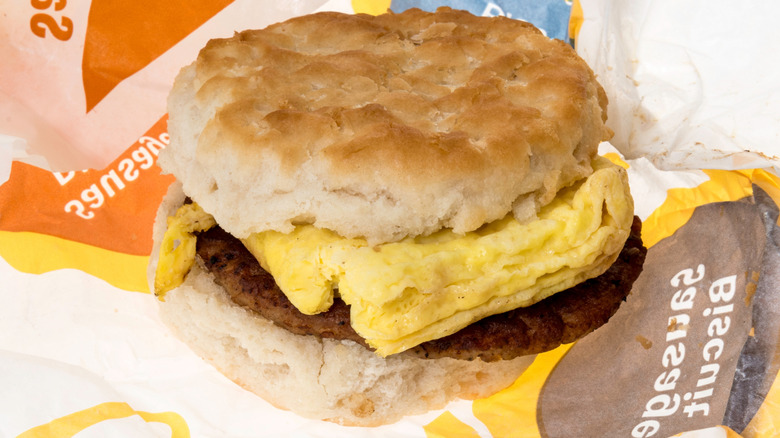
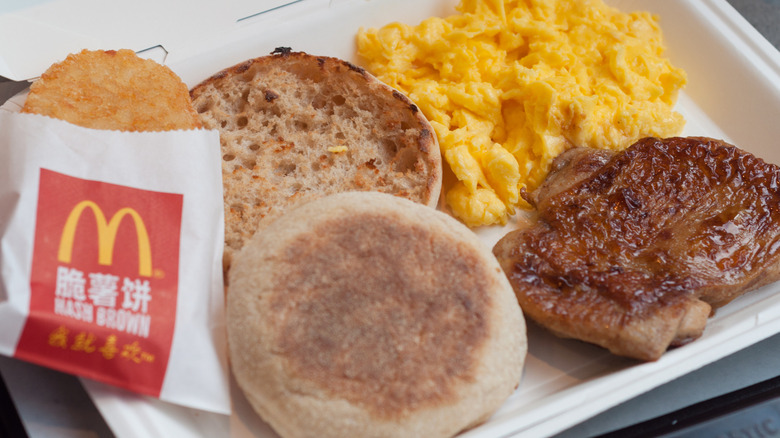
Eggs serve as the structural and nutritional anchor of nearly all breakfast sandwiches, yet McDonald’s utilizes multiple distinct egg preparations across its menu. The traditional folded egg, typically found on biscuit and McGriddle items, is manufactured for structural uniformity and heat retention, offering a dense, compact bite. Conversely, the scrambled egg—standardly paired with hotcake platters—provides a softer, more rustic texture that mimics home-cooked meals.
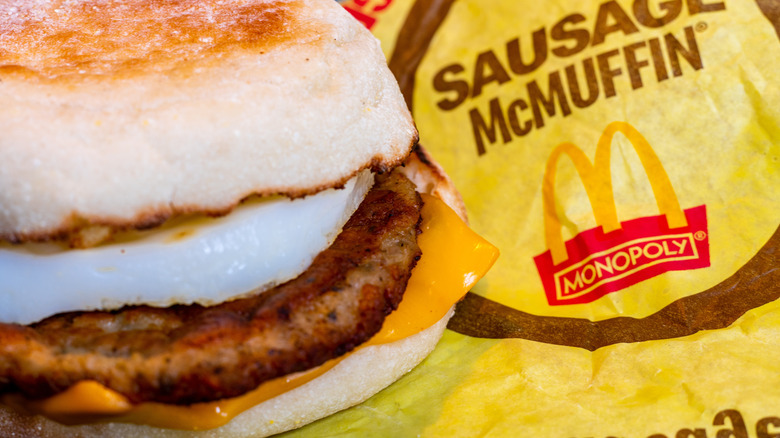
Furthermore, the freshly cracked, steam-cooked round egg featured on the Egg McMuffin represents a distinct culinary category. Originally introduced to replicate traditional diner-style cooking, the round egg utilizes whole, shell-broken eggs rather than liquid egg products. Swapping a folded egg for a round egg, or opting for scrambled eggs where available, allows consumers to completely alter the mouthfeel of a sandwich without modifying the exterior bread carrier. Culinary forums and consumer feedback consistently highlight the round egg as a superior choice for those prioritizing authentic texture and fresh-cracked flavor.
3. Integrating Potato Elements for Textural Contrast
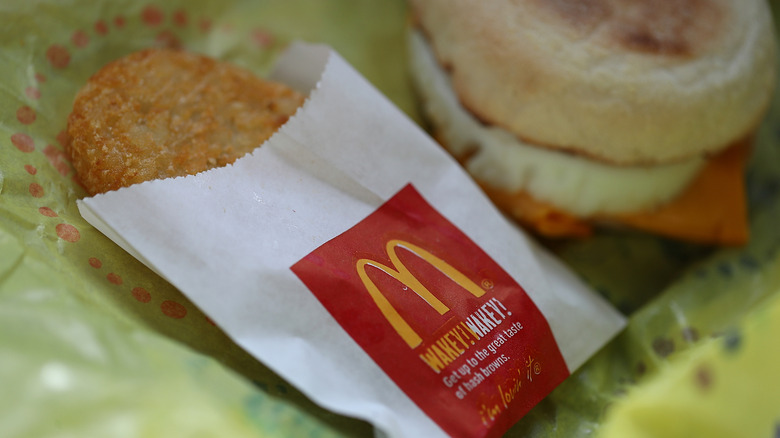
The integration of a McDonald’s hash brown directly into a breakfast sandwich represents one of the most popular crossover hacks circulating across social media platforms such as Reddit. Structurally, fast-food breakfast sandwiches typically combine soft elements—such as steamed English muffins, crumbly biscuits, or maple-infused griddle cakes—with tender internal proteins. Inserting a freshly fried, crisp hash brown into the center of the sandwich introduces a vital element of structural crunch and potato starch flavor. This technique creates a dual-layer sensory experience, contrasting the exterior softness with the oil-crisped exterior of the potato patty, while simultaneously unifying the salt content across the entire item.
4. Refining Fat Ratios and Flavor Profiles with Butter and Sweeteners
Texture and moisture management are critical challenges in industrial baking, particularly when working with toasted English muffins or dense biscuits. Adding extra butter to an Egg McMuffin addresses a common consumer critique regarding dryness, enhancing the crumb structure of the muffin while marrying the savory notes of Canadian bacon and American cheese.
Similarly, the strategic introduction of sweet elements—such as requesting a side of hotcake syrup for dipping or adding honey to a chicken biscuit—taps into the enduring culinary appeal of sweet-and-savory pairings. Similar to traditional chicken-and-waffles or southern honey-butter chicken biscuits, these additions leverage contrasting taste receptors. By utilizing dipping methods rather than direct application, consumers retain total control over the sweetness gradient, preventing structural sogginess while elevating the overall gastronomic experience.
Economic and Operational Implications
From an operational standpoint, these customizable modifications reflect broader shifts in supply chain management and point-of-sale technology. Because the ingredients required for these upgrades—extra meat, alternative egg types, hash browns, and condiment packets—are already standard inventory items within every McDonald’s kitchen, restaurants can fulfill these requests without introducing specialized supply chain strains.
However, availability remains subject to regional franchise discretion and local inventory management. Nutritional implications must also be considered; doubling proteins, adding potato starches, and incorporating extra fats or sugars significantly alters the caloric, sodium, and lipid profiles of the meals. Nutritionists note that while these enhancements successfully elevate taste and immediate satisfaction, they should be consumed with awareness of daily dietary recommended intakes.
Ultimately, the phenomenon of upgrading fast-food breakfast sandwiches illustrates the modern consumer’s desire for agency within mass-market dining structures. By making small, calculated adjustments to existing menu architecture, diners can personalize their morning meals to match artisanal quality expectations while maintaining the speed and convenience characteristic of the global quick-service industry.